






Childbirth is a joyful occasion, but in some cases, complications during labor and delivery can lead to birth injuries.
While many injuries are minor and resolve independently, others can have lifelong consequences for the child and their family.

Understanding the most common birth injuries and how they occur can help parents recognize early signs, seek timely treatment, and even prevent complications in future deliveries. Keep reading to learn more about the five most common ones.
Brachial Plexus Injuries
The brachial plexus is a bundle of nerves near the neck that controls movement and sensation in the shoulders, arms, and hands. Injuries here usually happen when a baby’s shoulders become stuck during delivery (shoulder dystocia). If the doctor pulls too forcefully on the baby’s head or neck, or if forceps or vacuum extractors are used incorrectly, the delicate nerves may overstretch, tear, or even detach from the spinal cord.
The severity of brachial plexus injuries varies. Some babies only experience temporary weakness, while others may face lifelong disability, such as Erb’s palsy, where the arm hangs limp and movement is restricted. Early physiotherapy can sometimes restore function, but the baby might sometimes need grafting or reconstructive surgery in more severe cases.
Hypoxic-Ischemic Encephalopathy (HIE)
Hypoxic-Ischemic Encephalopathy (HIE) is a serious brain injury caused by reduced oxygen and blood flow to the brain during or shortly after delivery. Common causes include prolonged labor, placental abruption, umbilical cord prolapse, or a delay in performing an emergency cesarean section. The longer a baby can’t access oxygen, the greater the risk of permanent brain injury.
Babies with HIE may appear weak, have trouble breathing, or experience seizures shortly after birth. Long-term consequences can include cerebral palsy, epilepsy, and developmental delays. In recent years, therapeutic hypothermia, cooling the infant’s body to slow brain damage, has emerged as a promising treatment when started within hours of birth. Prompt recognition and management are crucial for better outcomes.
Cerebral Palsy
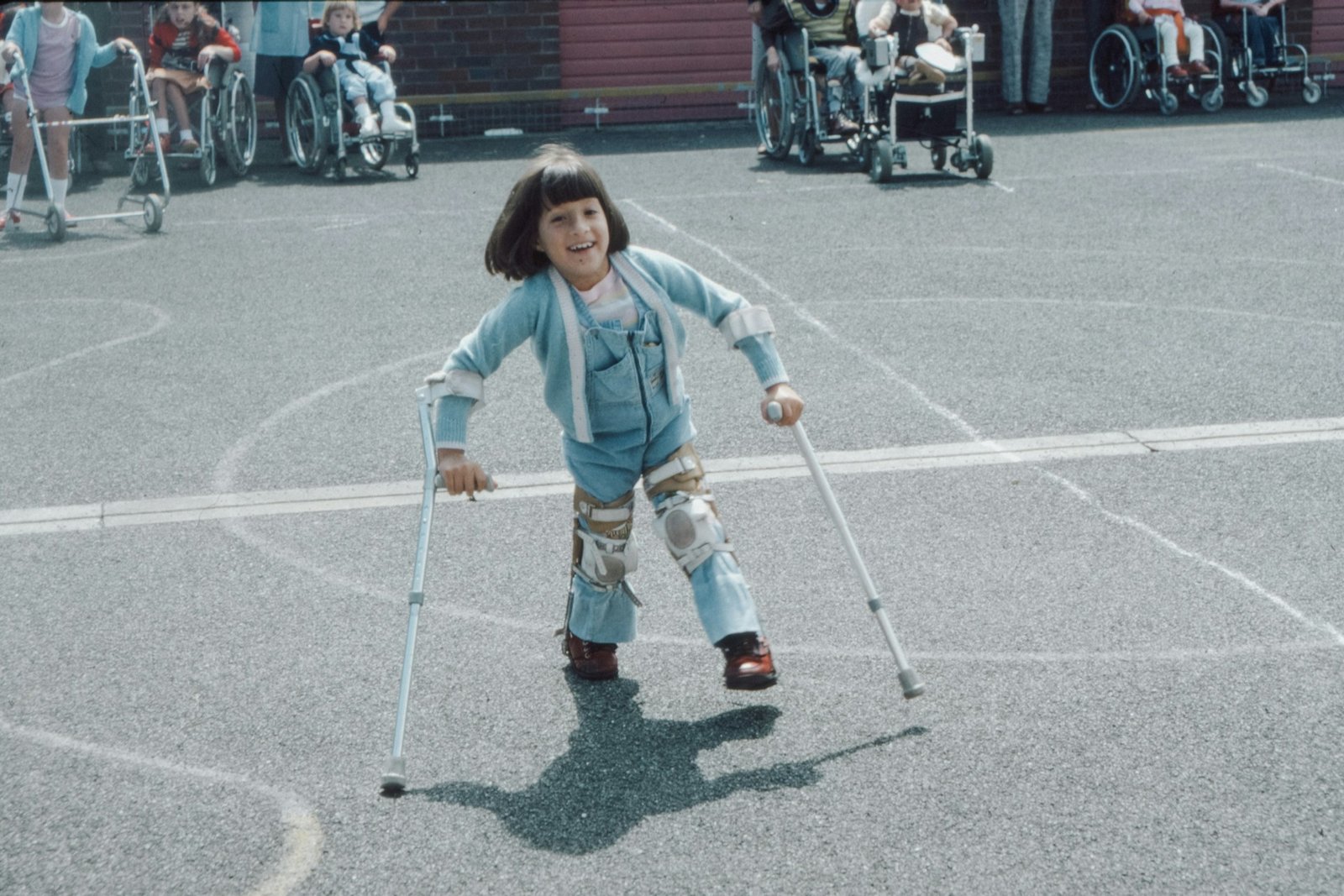
Cerebral palsy (CP) is a neurological disorder affecting muscle tone, posture, and movement. While not every case is due to childbirth complications, some are associated with oxygen deprivation (birth asphyxia), untreated maternal infections, or delays in responding to signs of fetal distress. Even a few minutes without sufficient oxygen can lead to irreversible brain damage, leading to CP.
The symptoms may appear gradually, including poor muscle coordination, exaggerated reflexes, or developmental delays. Some children may also face vision, hearing, or learning difficulties. CP is a lifelong condition, but with early diagnosis, supportive therapies such as physical, occupational, and speech therapy can help children maximize their independence and quality of life.
Fractures
Fractures are among the most frequent birth injuries, and the clavicle (collarbone) is the most commonly affected bone. These injuries typically occur during difficult vaginal deliveries, breech presentations, or when medical tools like forceps are needed to assist. Babies with broad shoulders or those delivered rapidly may also be at higher risk.
Signs of a clavicle fracture include limited arm movement on one side, swelling, and sometimes a noticeable lump as the bones start healing. While the idea of a newborn fracture is alarming, clavicle injuries usually heal remarkably well with minimal treatment, often just immobilizing the arm. Within a few weeks, most infants recover fully without long-term effects.
Cephalohematoma
A cephalohematoma occurs when blood collects beneath the scalp, between the skull and the thin membrane covering it. This condition typically results from pressure during a prolonged labor, difficult vaginal birth, or the use of vacuum extractors or forceps. Unlike swelling, a cephalohematoma feels firm and may take several hours to become noticeable.
Although it usually resolves on its own within a few weeks, cephalohematoma may contribute to secondary issues such as jaundice, since the body must break down the blood. In rare cases, it can calcify or become infected, which requires medical attention. Monitoring by healthcare providers ensures safe recovery and prevents complications.
Endnote
While many birth injuries heal without lasting effects, others can shape a child’s entire future. By understanding how these injuries occur, families can be better prepared to advocate for safe delivery practices and ensure that newborns receive the care they need right from the start.