

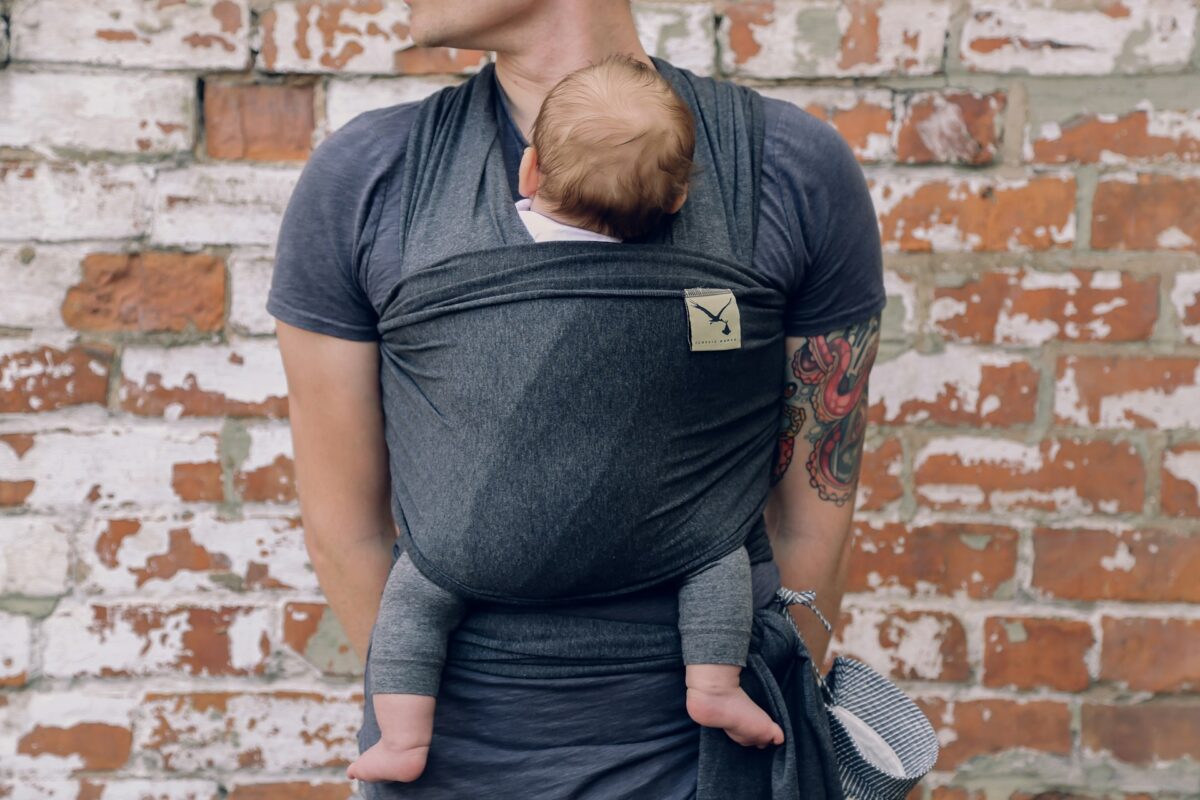

Carrying a growing infant is one of the most physically demanding daily tasks for new parents and caregivers. As babies transition from sleeping newborns into curious, heavy older infants who constantly ask to be picked up and set down, the physical strain on a parent’s back, shoulders, and hips increases exponentially. Many parents find themselves instinctively resting their baby on one hip, leading to spinal misalignments, asymmetrical muscle strain, and chronic lower back pain. Choosing a supportive best infant carrier setup transforms this everyday carrying dynamic by helping families redistribute a child’s weight more evenly while keeping baby close in an anatomically mindful seat.
The Physical Demands of the “Up-and-Down” Phase
During the first few months of life, infants spend a significant portion of their awake time resting against a parent’s chest or in soft wraps. However, as infants reach six months of age and beyond, their physical needs and interactive behaviors shift dramatically:
- Increased Curiosity: Older infants want to view their surroundings from a higher perspective, leading to restlessness when confined inside deep, traditional front-facing wraps.
- Frequent Transitions: As babies learn to sit, crawl, and cruise, they frequently demand to be held for short bursts before wanting to return to the floor to explore.
- Rapid Weight Gain: Carrying a 15-to-30-pound child without mechanical support puts intense mechanical leverage on a parent’s musculoskeletal system.
When a parent carries a child on their hip without an ergonomic support system, they naturally push one hip outward to create a makeshift ledge. This posture—known as hip-hiking—forces the spine into lateral flexion and uneven compression. Over time, this repetitive strain can lead to hip flexor tightness, core instability, lower back spasms, and shoulder fatigue.
How Hip-Seat Architecture Protects Caregiver Ergonomics
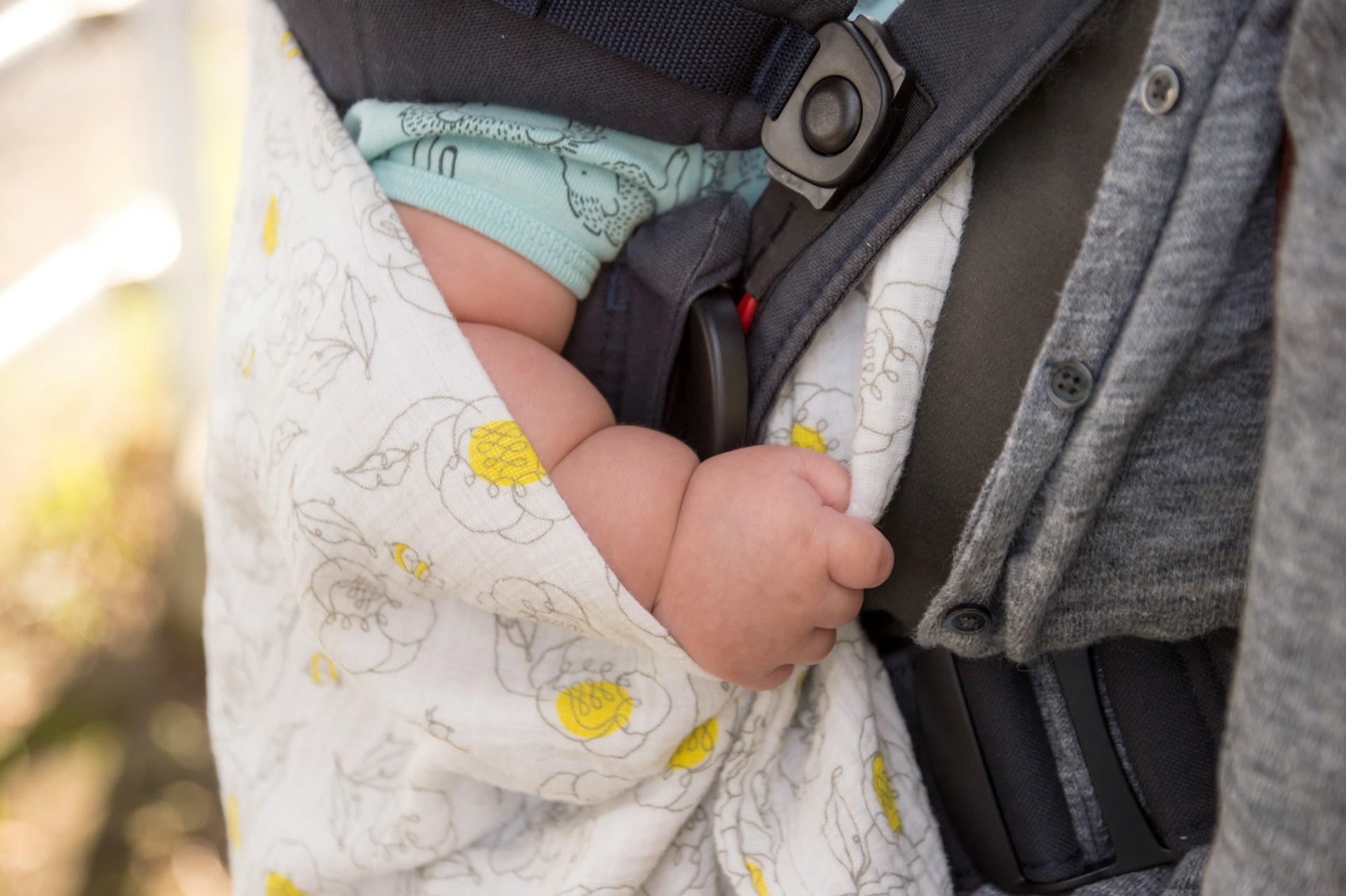
Ergonomic hip carriers are engineered specifically to solve the biomechanical challenges of carrying heavier infants and toddlers. By placing a structured, padded seat platform on a wide, firm waistband, the weight of the child is transferred away from the small, fragile muscles of the lower back and shoulders down into the body’s strongest muscle groups: the glutes, legs, and pelvic girdle.
Key Biomechanical Advantages for Caregivers
- Pelvic Weight Distribution: A wide, structured waistband wraps tightly around the parent’s waist or upper pelvis, acting like a weightlifting belt. It stabilizes the core and spreads downward force across a broad surface area.
- Neutral Spinal Alignment: The firm wedge or shelf holds the infant at a natural height close to the parent’s center of gravity. This eliminates the need for the parent to lean backward or push their hip outward, allowing the spine to remain in a neutral, healthy alignment.
- Reduced Shoulder and Neck Tension: Unlike traditional soft structured carriers that rely heavily on shoulder straps to suspend the baby’s weight, a hip seat bears the vast majority of the weight from below. This prevents tightness in the trapezius and levator scapulae muscles.
- Core Assistance Postpartum: For parents recovering from childbirth, abdominal separation (diastasis recti), or C-sections, holding heavy weights off-center can aggravate healing tissues. A hip seat distributes weight symmetrically across the pelvic bowl, taking pressure off compromised core muscles.
Infant Orthopedic Health: Preserving Healthy Hip Joint Maturation
While caregiver comfort is a major advantage of hip seats, the orthopedic health of the child is equally vital. During early childhood, an infant’s hip joints are developing rapidly. The top of the thigh bone (femoral head) rests inside a shallow socket (acetabulum) largely made of soft, pliable cartilage.
The Risks of Improper Leg Positioning
If a baby’s legs are left dangling unsupported straight down from the hips, gravity pulls the thigh bones downward. This concentrated pressure can cause the head of the femur to slide out of alignment, increasing the risk of developmental dysplasia of the hip (DDH) or joint instability.
Achieving the Optimal “M-Position”
Medical experts and orthopedic specialists advocate for carrying positions that support the spread-squat position, commonly called the “M-Position”:
- Knees Higher Than Hips: The baby’s thighs should be supported from knee-pit to knee-pit, with the knees flexed slightly higher than the buttocks.
- Wide Abduction: The legs rest comfortably around the caregiver’s torso at a wide, unforced angle.
- Deep Seat Base: A wide, non-slip hip seat platform provides a solid foundation that keeps the pelvis tilted in a stable position, preventing the thighs from dropping into a harmful vertical dangle.
By ensuring the child sits on a broad, ergonomically sloped surface, a hip seat maintains this healthy M-position even during quick up-and-down carrying moments throughout the day.
Comparing Hip Seats with Traditional Carrier Styles
Choosing the right carrying system depends heavily on your lifestyle, your child’s age, and your daily physical activities. Understanding how hip seats contrast with other popular designs can help parents make informed choices.
Soft Wraps and Stretch Carriers
- Best For: Newborns and small infants up to 15 pounds.
- Key Traits: Fabric-only construction that molds snugly to the baby’s body.
- Comparison: Soft wraps offer ultimate coziness for sleeping infants, but they lack the rigid structural support needed to carry active, heavier toddlers without sagging or causing shoulder pull.
Standard Soft Structured Carriers (SSCs)
- Best For: Long walks, hiking, and continuous hands-free front or back carries.
- Key Traits: Buckles, padded shoulder straps, and a fabric back panel.
- Comparison: Standard carriers excel at securing a baby for hours at a time, but putting a baby in and out requires unbuckling straps and adjusting harnesses, which can feel tedious when a toddler wants to get down every five minutes.
Convertible Hip-Seat Carriers
- Best For: All-day versatility, active home routines, travel, and growing children (6 months to 3 years).
- Key Traits: A 2-in-1 design featuring a detachable shoulder/chest panel attached to a rigid, padded hip platform.
- Comparison: Convertible hip carriers offer the best of both worlds. Parents can use the full carrier setup with shoulder straps for hands-free walks, or unclip the upper panel to use the stand-alone hip seat for quick, effortless carrying around the house.
Practical Applications for Daily Parenting
Integrating a hip seat into your daily routine offers tangible convenience across a wide range of everyday scenarios:
Navigating the Home Environment
Doing light household chores, preparing simple snacks, or picking up clutter while comforting a clingy infant is vastly easier when the child’s weight is resting comfortably on a hip platform. Caregivers can use one arm to support the baby’s back while keeping the other hand free to complete daily tasks.
Public Outings and Travel
Visiting museums, aquariums, zoos, or navigating busy airport terminals often involves frequent transitions between walking and holding. A hip seat allows parents to bypass bulky strollers without sacrificing physical comfort when their child gets tired of walking.
Supporting Nursing and Bottle Feeding
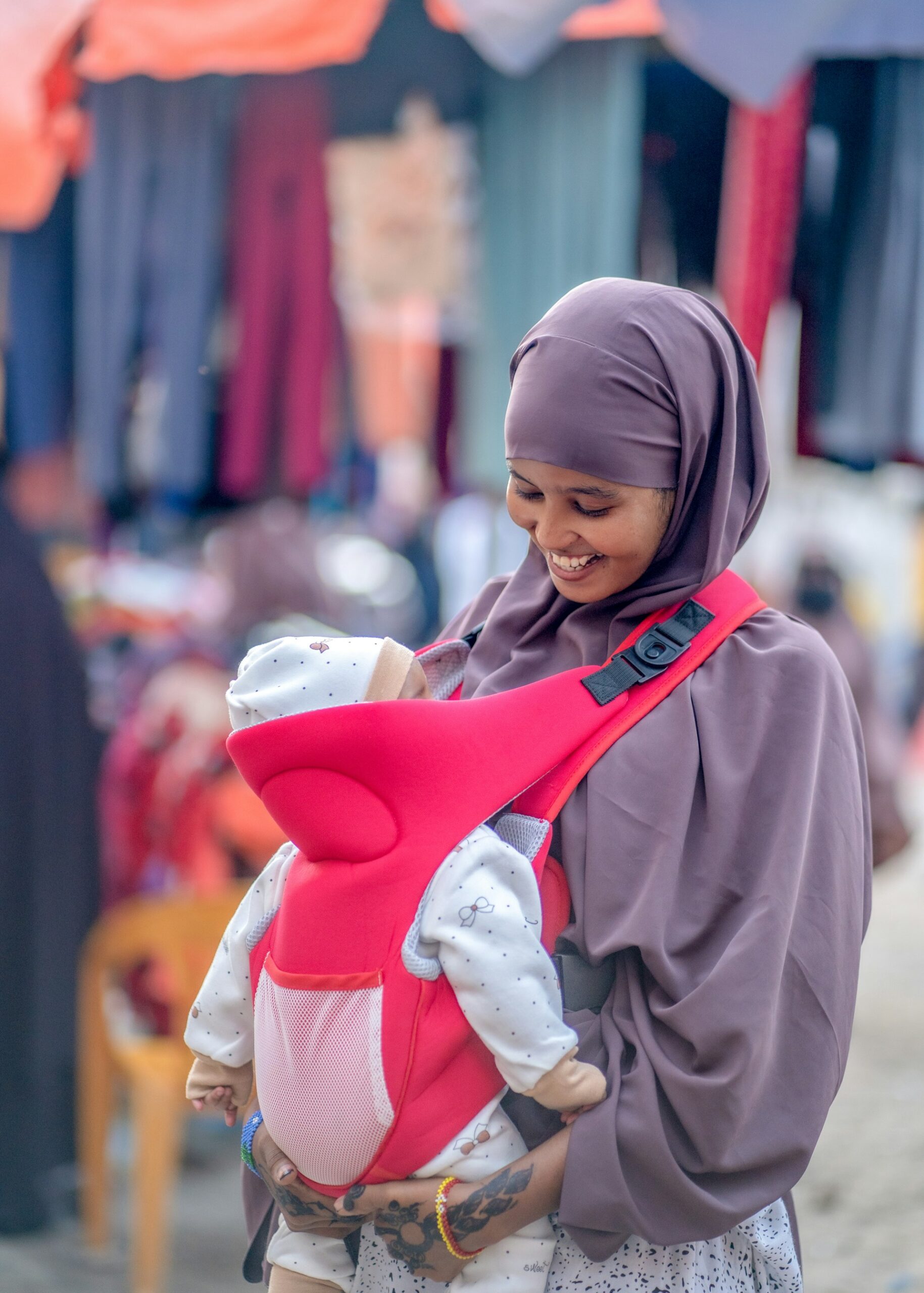
A hip seat platform can also function as a supportive feeding pillow. By resting the baby horizontally across the padded seat while seated or standing, the parent takes the strain off their forearms, elbows, and shoulders during long feeding sessions.
Safety Guidelines for Using a Hip Seat Carrier
To ensure maximum safety and comfort when using a hip seat, parents should follow basic operational best practices:
- Fasten the Waistband Tight: Place the wide belt higher up on your waist—above the hips—and pull the strap snug before securing the primary buckle. A loose belt will sag downward under the child’s weight and exert pressure on the lower spine.
- Maintain Active Support: When using the hip seat base alone (without shoulder straps), always keep one arm securely around your baby’s waist or upper back. Never leave a child unattended or unsupported on the platform.
- Check Seat Inclination: Ensure the hip platform angles slightly upward toward your chest rather than sloping downward. An inward angle uses gravity to keep the child resting securely against your torso.
- Listen to Your Body: Pay attention to your posture. If you find yourself leaning sideways or hunching forward, re-tighten the waistband or take a short break to stretch your back and legs.
Conclusion: Balancing Comfort, Mobility, and Bonded Care
Parenting in the early years should not require enduring unnecessary physical pain or back strain. Modern ergonomic carrying solutions allow parents to stay close to their children while protecting their own physical longevity and postural health. By combining broad weight distribution for caregivers with healthy hip support for infants, a hip seat carrier bridges the gap between hands-free functionality and effortless accessibility, helping families move through the active toddler years with comfort, confidence, and ease.