





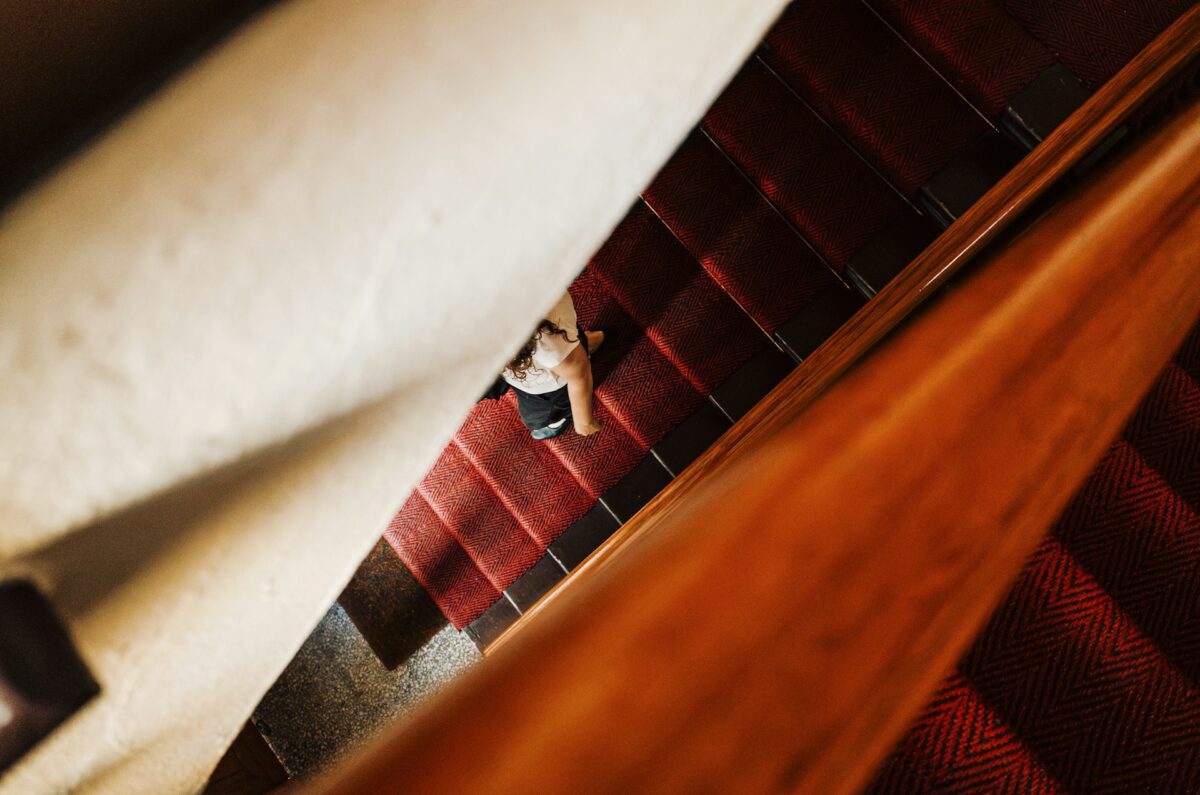

Three stairs.
That’s what most people tell me stands between them and the room they love most.
Not a whole staircase, not a renovation budget, just three steps to the landing and a light they can’t reach anymore. So they start sleeping in the den and call it downsizing.
It’s a quiet surrender, and it rarely happens on purpose. You move a bed downstairs “temporarily,” the upstairs bathroom stops getting used, and within two winters the second floor is a storage unit with carpet. You don’t have to accept that trade. Whether you’re planning ahead or reacting to a recent change, a good stairlift company in Manchester can turn the conversation from “which room do I give up” into “how do I keep all of them.” This guide walks you through the practical side of that decision.
Here’s what I’ll cover: how to test your own staircase honestly, what the paperwork actually involves, the small daily habits that make an upstairs life easier, and how to tell whether a quote is fair before you sign anything. Nothing here is medical advice. Think of it as a homeowner’s checklist for a very common problem.
Start With the Landing Walkthrough
Before anyone quotes you a price, walk your own stairs like a stranger would. I call this the Halton Fit Check, and it takes about ten minutes with a notebook.
Stand at the bottom and look up. Is there a wall on at least one side the whole way? Is the turn at the top or bottom, or is it a straight run? Where does the light switch sit? Now walk up slowly and note the things you grip, the edge you catch your toe on, the spot where the handrail stops short of the landing.
Write down four things: the width of the staircase at its narrowest point, whether the staircase is straight or curved, where the nearest power outlet is, and whether a door at the top swings toward the stairs. Those four answers decide which models even make sense. Most straight staircases fit a straightforward rail. A curve or a landing that turns costs more because the rail is made for your specific geometry, not pulled off a shelf.
Do this check before you invite a surveyor in. You’ll ask sharper questions, and you’ll spot a salesperson who’s guessing.

What Does the Paperwork Actually Involve?
More than people expect, and less than they fear. The first thing to know is that stairlifts sold in the UK carry a VAT exemption for qualifying installations, which affects the final number on your quote. Ask about it directly. If a company gets vague, that’s a signal.
Then there’s the broader picture of how small, independent installation businesses operate. According to the U.S. Small Business Administration, even the smallest local firms depend on clear written agreements and defined service terms to stay accountable to customers. That principle travels. Get the warranty period, the servicing schedule, and the emergency callout terms in writing before you pay a deposit.
One more item: the free home survey should be genuinely free, with no obligation to buy. Reputable outfits are upfront about this. Take notes during the visit, photograph the staircase, and keep the written quote. If you’re comparing three companies, put their quotes side by side on warranty length and response time, not just price.
Five Habits That Make Life Upstairs Easier
A stairlift isn’t the end of the story. These small routines are what turn an accessible house into a comfortable one.
- Keep a second set of everyday items upstairs: reading glasses, phone charger, medications, a spare set of keys. Duplicates beat climbing back down for one thing.
- Mark the top and bottom steps with a contrasting strip of tape. Depth perception softens with age, and a visible edge is a cheap fix.
- Move a small basket or tray near the top of the stairs so you’re not carrying loose items in both hands.
- Test the stairlift’s swivel seat at the top landing before you commit to where furniture sits. You need room to turn and step off safely.
- Keep the staircase clear of shoes, bags, and laundry piles. Boring advice, genuinely effective.
None of these cost much. Together they might buy you five more comfortable years on the upper floor.
Can You Afford to Stay, or Can You Afford to Move?
This is the question most people avoid, so let’s sit with it. Moving house means stamp duty, removals, estate agent fees, and the emotional cost of leaving a neighborhood. Staying means paying for an installation, occasional servicing, and the small ongoing cost of maintaining a home that’s getting older alongside you.
Run the numbers side by side. The installation cost is usually a fraction of a move once you add everything up. That said, moving might still make sense if your home needs major structural work, if you’re isolated from family, or if a single-story property nearby ticks every box.
Consider the broader picture of where older adults actually want to live. Research from the National Institutes of Health consistently shows that most people prefer to stay in their own homes as they age, and that familiar surroundings support wellbeing. That doesn’t mean staying is always right. It means the default should be to make staying work, not to assume moving is inevitable.
My honest take: if your only obstacle is the staircase, fix the staircase. Don’t sell a house over a set of steps you can solve in an afternoon.
What to Ask Before You Sign Anything
You’ll hear a lot of promises during the sales visit. Here are the questions that separate the serious companies from the rest.
Ask how quickly they can fit. Ask what happens if the lift breaks on a Saturday. Ask whether servicing is included in the first year or billed separately. Ask for the names of two recent local customers. Ask whether the price you’re quoted today is the price on the invoice, and get that answer in writing.
Then check the company’s trade credentials. Membership of a recognized trade body is a decent proxy for accountability. Without one, you’re relying on reputation alone.
One last thing: don’t let anyone rush you. A stairlift is a durable purchase, not a limited-time offer. If a salesperson leans on urgency, walk away. There are plenty of other companies in the area who won’t.
A Real Scenario, So You Can Picture It
Picture a two-bedroom terrace in Chorlton. The staircase runs straight up the middle of the house with a wall on one side and a banister on the other. The landing is narrow, so the top of the rail has to finish before the bathroom door. The homeowner, in her seventies, has been sleeping in the front room for eight months and wants her bed back.
The surveyor measures the run, checks the outlet near the base of the stairs, and recommends a slim model with a hinged rail so the hallway stays walkable. Installation takes a day. By the following Monday she’s back upstairs, and the front room becomes a front room again.
That’s not an unusual story. It’s the most common one I hear.
Common Questions, Answered Briefly
- Will it damage my walls? The rail is fixed to the staircase, not the plasterboard. Small holes, neatly sealed. In most homes, you won’t notice them afterward.
- Can I take it with me if I move? Straight rails can sometimes be re-fitted. Curved rails are made for one staircase, so they rarely travel well. Factor that into your planning.
- What if I need it urgently? Some installers offer next-day fitting for straight staircases. Ask early, because demand spikes around colder months.
The Bottom Line on Staying Put
The upstairs isn’t just square footage. It’s the bedroom with the good light, the bath with the deep tub, the room where the grandchildren sleep when they visit. Giving that up because of a staircase is a smaller decision than it should be, and it’s usually a reversible one.
If you’re ready to stop negotiating with your own house, book a free survey and see what your staircase can actually handle. You might be surprised how little stands between you and the rest of your home.