


Cordless pool vacuums can work as well as corded models for many residential pools, but not in every situation. The better choice depends on pool size, debris load, runtime, cleaning coverage, and how often the owner is likely to use the cleaner.
For everyday backyard care, cordless models often win on convenience. They are easier to start, easier to store, and less disruptive around the pool. Corded models can still make sense for very large pools, long cleaning sessions, or owners who want continuous power without thinking about charging.
So the answer is not “cordless is better” or “corded is stronger.” The real answer is fit.
Cordless Pool Vacuums Work Best for Everyday Backyard Use
Cordless robotic cleaners are strongest when the pool needs regular, manageable cleaning. That includes leaves after wind, bugs on the surface, light dirt on the floor, pollen during warm months, and the usual debris that comes with family swimming.
The big advantage is setup. There is no cable to untangle, no hose to drag around, and no power cord crossing the poolside area. For homeowners who want their backyard to feel relaxed and uncluttered, that matters.
A cleaner that is simple to start usually gets used more often. That can be more valuable than one long cleaning session every now and then. Shorter, more frequent cleanups can keep debris from building into a bigger job.
Corded Models Still Have Their Place
Corded pool vacuums are not outdated. Their main advantage is continuous power. For large pools, heavy debris, or long cleaning sessions, that can still be useful.
Some owners also prefer not to think about battery life. A corded model may feel more predictable if the pool often needs extended cleaning or if the owner does not want to plan around charging.
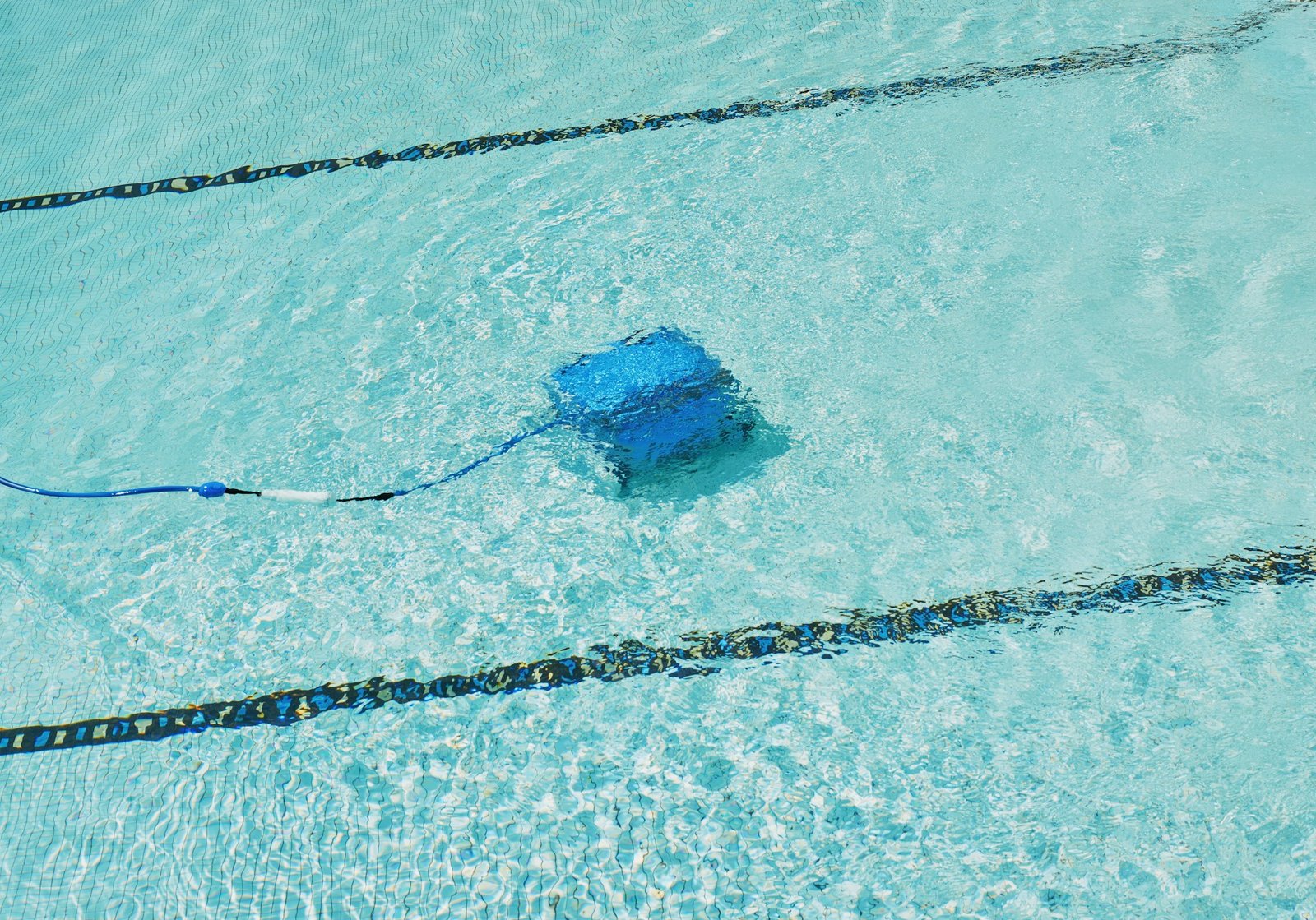
The trade-off is handling. Cords can tangle, limit movement, or add extra setup and storage work. They may also make the poolside area look less tidy during use. For some homeowners, that is minor. For others, it is exactly the kind of friction that makes them delay cleaning.
Runtime Is the Real Difference
Runtime is where the comparison becomes practical. A cordless cleaner depends on battery capacity, charging habits, pool size, and how much debris it needs to collect. If the robot can complete the job in one cycle, cordless feels easy. If it stops too soon, the convenience disappears.
A corded cleaner can often run longer because it is not limited by a battery. That makes it appealing for larger pools or occasional deep cleaning.
For many homeowners, though, the question is not how long the cleaner can run. It is whether the cleaner is easy enough to use before the pool gets messy. This is why someone comparing the best rated pool vacuum should look at habits, not only power. A cleaner that fits the routine may outperform a stronger model that is rarely used.
Cleaning Quality Depends on More Than the Cord
The cord is only one part of performance. Cleaning quality also depends on navigation, brush contact, suction design, filter capacity, debris basket access, and how well the cleaner matches the pool layout.
A well-designed cordless model can outperform a basic corded cleaner in an ordinary residential pool. A strong corded model can outperform a weak cordless one in a large, debris-heavy pool.
Pool shape also changes results. Steps, slopes, ledges, corners, and freeform edges can affect coverage. Fine dust needs different filtration than leaves. Surface debris creates a different problem from settled floor grit.
The best comparison is not corded versus cordless in general. It is this cleaner versus your pool.
Beatbot Sora 70 as a Cordless Everyday Example
Beatbot Sora 70 cordless robotic pool cleaner is a useful example for this comparison because it shows why many homeowners are comfortable choosing cordless for daily pool care. The benefit is not only the absence of a cable. It is the way cordless design lowers the effort required to start a cleaning cycle, especially when the pool only needs a lighter reset after wind, swimming, mowing, or a warm afternoon outside.
In a typical residential pool, the work is often spread across small messes rather than one dramatic cleanup. Leaves may land before they sink. Fine dirt may settle along the floor. Residue may appear near busy swim areas. A cordless cleaner like Sora 70 gives homeowners a way to respond without turning pool cleaning into a full setup process every time.
For readers comparing the best robotic pool cleaners, Sora 70 shows the practical side of cordless value. It is about convenience that encourages more consistent use. It still does not mean every cordless model replaces every corded one.
Owners still need to match runtime to pool size, empty baskets, rinse filters, charge and store the unit correctly, remove large debris by hand, maintain filtration, test water chemistry, and get professional help for algae, leaks, stains, scale, equipment faults, or persistent cloudy water.
How to Decide Which Type Fits You
Choose cordless if you want easier setup, a cleaner-looking poolside area, and a robot you are more likely to run often. Cordless is especially appealing for average residential pools, regular light debris, and homeowners who prefer simple storage.
Consider corded if your pool is very large, debris-heavy, or often needs long cleaning sessions. Corded may also be better if you dislike managing charging schedules.
Do not choose only by power source. Compare cleaning zones, filter access, robot weight, retrieval, storage, replacement parts, and warranty support. A cordless cleaner that is easy to use but too small for the pool will disappoint. A corded cleaner with strong power but awkward handling may also become frustrating.
Cordless Works Well When It Fits the Routine
Cordless pool vacuums can work as well as corded models for many everyday pools. They are especially strong when convenience leads to more frequent cleaning.
Corded models still make sense when continuous power matters more than setup simplicity. That is usually true for larger pools, heavier debris, or owners who prefer long uninterrupted cleaning cycles.
The best choice is the one that matches your pool, your debris, and your habits. A cleaner that fits your routine will usually do more for your pool than a more powerful model that feels like a chore to use.