

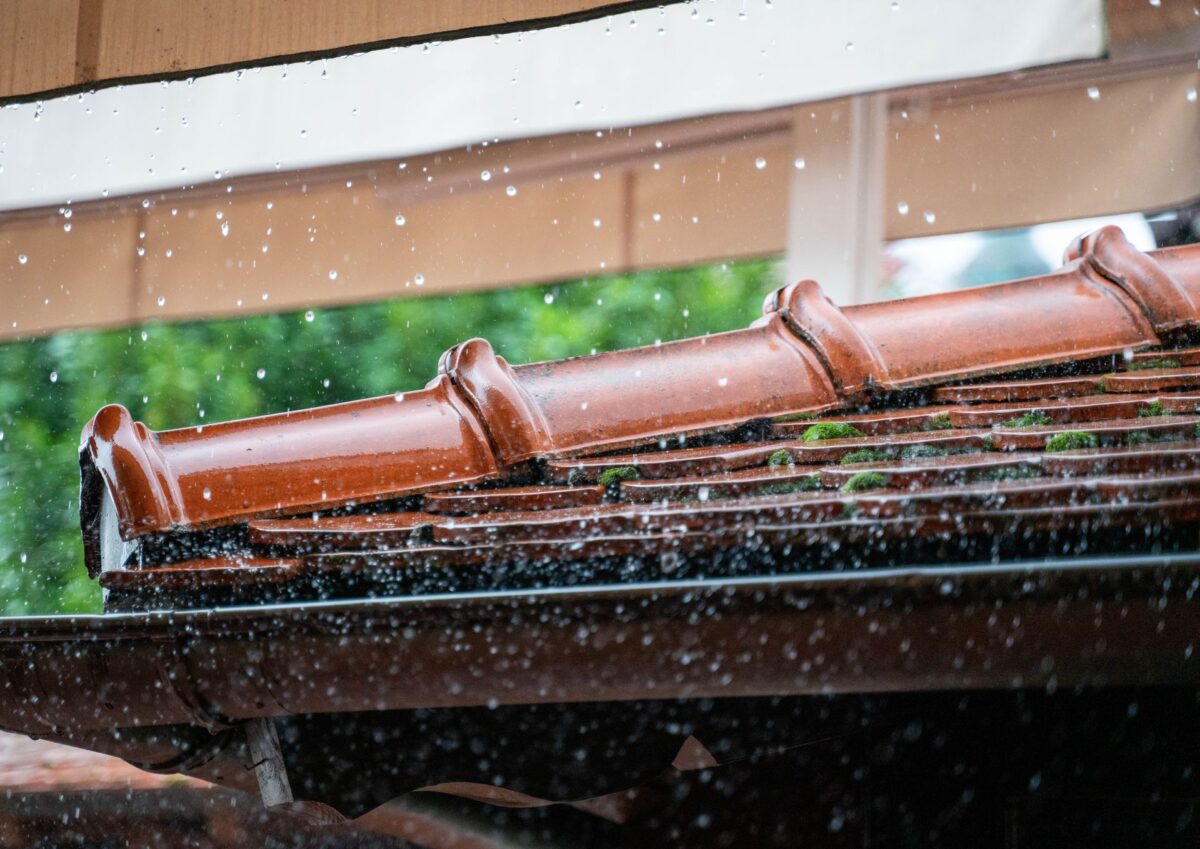

Water has a funny way of showing you who’s boss. One big rain in Ellenton can turn a neat yard into a squishy mess, and suddenly your flower beds look more like mini swamps. The good news is that drainage problems usually give you clues before they become expensive headaches. If you know what to watch for and what simple steps help, you can keep your yard looking better, your home safer, and your weekends a lot less soggy.
Spot Early Clues
A drainage issue rarely appears out of nowhere. Usually, your yard starts dropping hints. You might notice puddles that hang around a day or two after rain. Grass may feel mushy under your shoes, and mulch can drift away like it’s trying to escape. Other clues are a little sneakier. You may smell something damp near the house, see bare patches where water keeps washing soil away, or spot water collecting near your foundation. That’s when it’s smart to pay attention instead of hoping the sun will fix everything.
If the same trouble spots keep showing up, it may be time to look into drainage services in Ellenton so you can solve the root problem instead of just dodging puddles. Think of it as helping your yard stop holding grudges against rain.
Why Water Lingers
When water stays put, there’s usually a simple reason behind it. One common cause is poor yard slope. If your property tilts toward your home instead of away from it, rainwater can gather in all the wrong places. Compacted soil is another troublemaker. When soil gets packed down, water can’t soak in well, so it sits on top like an unwanted guest who missed the hint to leave. This happens a lot in high-traffic parts of the yard.
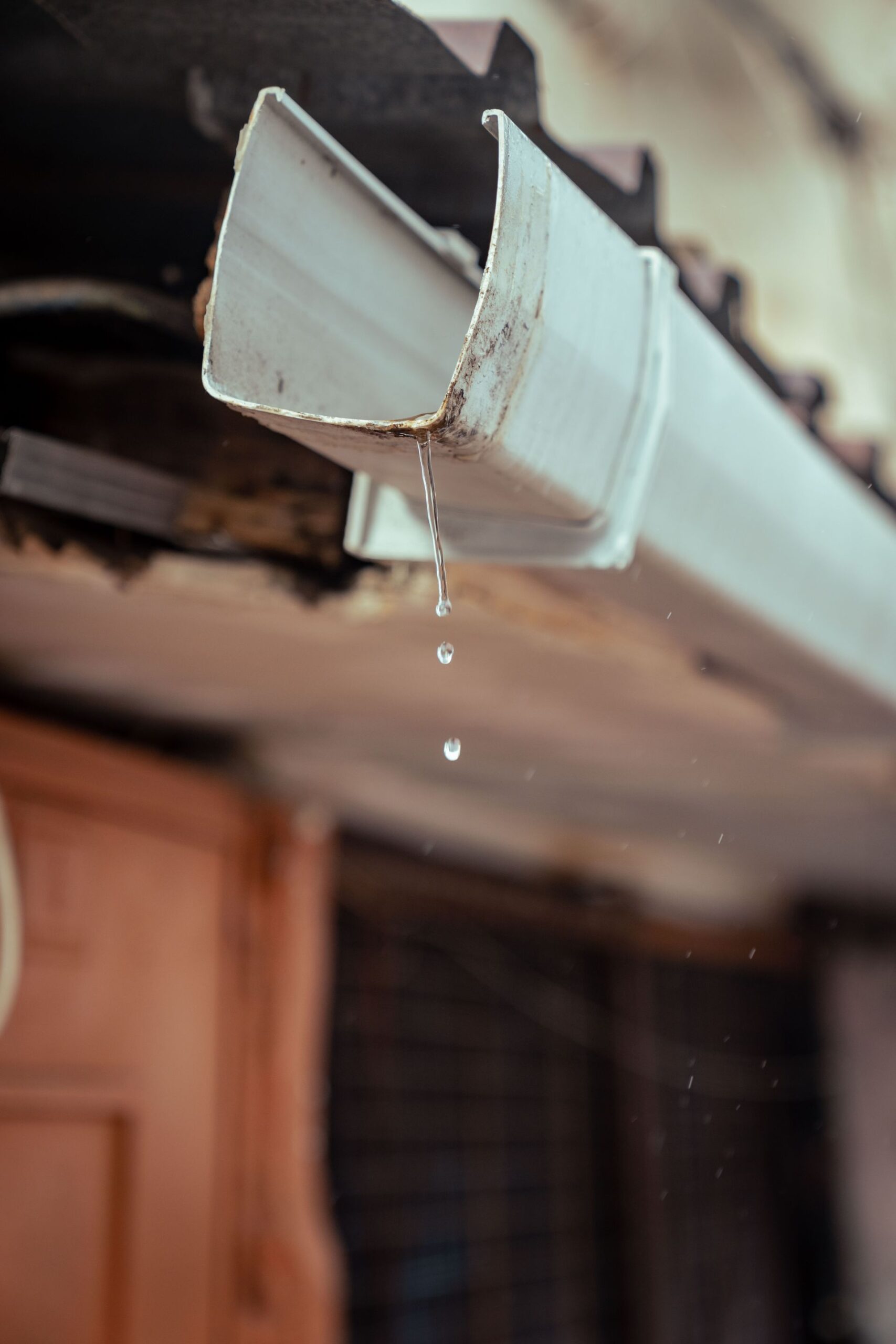
Your gutters and downspouts matter too. If gutters are clogged, water spills over the sides. If downspouts are too short, they dump water right next to the house. Add strong Florida rain to the mix, and small issues can turn dramatic pretty fast. Too much irrigation can also make things worse. Sometimes the problem isn’t just the sky. It’s the sprinkler schedule.
Fixes You Can Try
Before you panic, there are a few simple things you can do yourself. Start with the basics. Clean out your gutters and remove leaves, twigs, and gunk that block water flow. It’s not glamorous work, but neither is watching a pond form beside your porch. Next, check your downspouts. If they empty close to the house, add extensions so water gets pushed farther into the yard where it can spread out more safely. This one fix can make a bigger difference in yard maintenance.
You can also look at your watering habits. If your lawn already stays damp, cutting back on irrigation may help. In planting beds, refresh mulch and shape it so water flows where you want it instead of carving little rivers through your landscaping. Some homeowners also loosen compacted soil in problem spots. That can help absorption, but it won’t fix major grading issues. DIY is great for yard maintenance, not miracles.
When Pros Make Sense
Some drainage problems are bigger than a weekend project. If standing water keeps showing up near your foundation, don’t shrug it off. Water pooling around the base of your home can lead to cracks, moisture issues, and repairs that are anything but fun. You should also call in help if your yard floods after every heavy rain, if erosion is carrying away soil, or if one area never seems to dry. Repeating problems usually mean there’s a larger pattern at work, not just bad luck.
A professional can look at grading, runoff paths, and how water moves across the whole property. That matters because drainage fixes need to work together. Solving one wet spot without understanding the cause can just push the water somewhere else. Congratulations, now the problem lives by the patio.
Getting a proper assessment can save time, money, and a lot of trial and error.
Smart Landscaping Moves
Good drainage doesn’t have to make your yard look boring. In fact, some of the best solutions can make it more attractive. A rain garden is a great example. It’s a planted area designed to catch and absorb runoff, and it can look lush instead of purely practical. Native plants are also helpful because they’re often better adapted to local weather and soil conditions. Once established, many of them manage water well and need less fuss. That’s a win for your schedule and your curb appeal.
Gravel paths can help in areas where water tends to collect, especially when paired with thoughtful grading. Even simple design choices, like placing plants in the right spots and avoiding heavy mulch piles near the house, can improve how your yard handles storms. The best part is that these choices don’t scream problem solving. They just make your outdoor space look intentional, calm, and easier to maintain.
Keep Problems From Returning
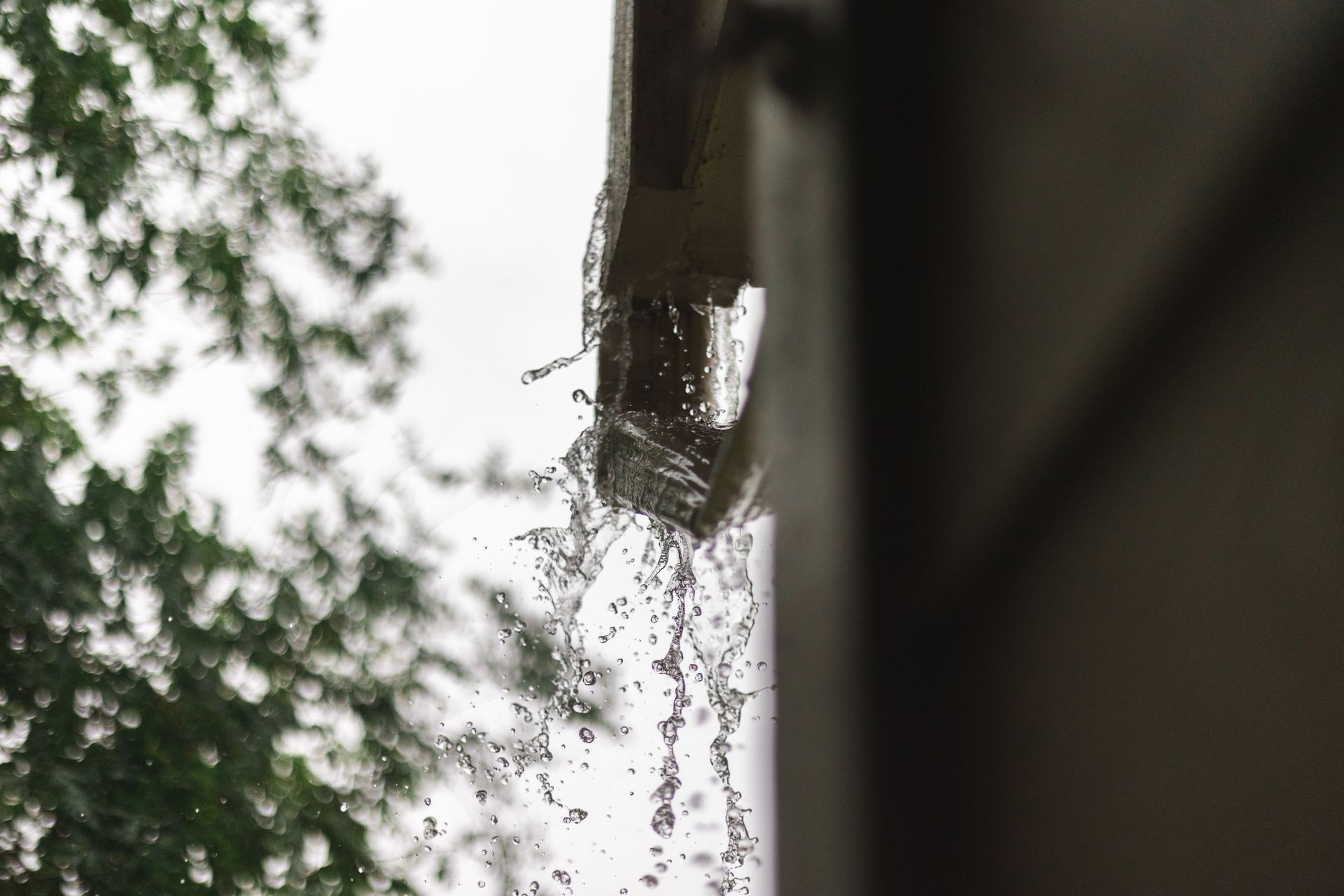
Once your yard is draining better, a little upkeep goes a long way. Check gutters regularly, especially during storm season. Make sure downspouts stay pointed away from the house and haven’t shifted over time.
Walk your yard after a heavy rain now and then. You’ll learn a lot by seeing where water gathers, where it moves quickly, and which spots stay soggy. Those small observations help you catch trouble before it grows teeth. Keep an eye on mulch, plant beds, and any low areas that start settling. If you use a sprinkler system, adjust it with the seasons so you’re not adding water where nature is already being generous.
The big takeaway is simple. You don’t need a perfect yard. You need one that handles water without turning every storm into a home improvement plot twist. A few smart habits now can protect your landscaping, your foundation, and your peace of mind later.