





If you want a yard that looks sharp without turning your weekend into a chemistry experiment, you’re not alone. More homeowners are rethinking the classic “perfect lawn” formula of heavy watering, constant mowing, and mystery products with warning labels. A healthier approach can still give you green grass, cleaner soil, and fewer maintenance headaches. The trick is understanding how your yard actually works, from the ground up.
Start With the Soil, Not the Grass Blades
Most lawn problems get blamed on what you can see: brown patches, weeds, thin spots, or grass that seems permanently annoyed. The real action usually happens underground.
Healthy soil holds water better, feeds roots steadily, and supports microbes that help break down organic matter. Poor soil does the opposite. It compacts, drains badly, and turns your lawn into a high-maintenance diva.
A soil test gives you useful data on pH, nutrient levels, and organic matter. That’s more helpful than guessing with a fertilizer spreader and hoping for the best.
If you’re looking into organic lawn management, pay attention to methods that improve soil biology instead of only chasing quick green-up. A lawn with active, balanced soil often becomes more resilient over time, which means fewer inputs and less drama.
Rethink What a “Good Lawn” Actually Means
A lot of people inherit their idea of a beautiful yard from ads, HOA expectations, or the one neighbor who mows in perfect diagonal stripes like it’s a professional sport. Realistically, a healthy lawn doesn’t need to look artificial.
A strong yard usually has some seasonal variation. It may slow down in summer heat, grow faster in spring, and show minor color shifts during dry weather. That’s normal.
Instead of aiming for nonstop bright green, focus on signs of actual health:
– Dense root growth
– Good water absorption
– Fewer bare patches
– Limited weed pressure
– Grass that recovers after foot traffic
That shift matters because it changes your maintenance decisions. You stop treating every cosmetic change like an emergency and start managing your yard with a longer view.
Water Deeply, but Stop Watering on Autopilot
Many lawns get too much water, just delivered in a very official-looking way by a sprinkler system. Daily shallow watering encourages weak roots and makes grass more dependent on constant moisture.
Deep, less frequent watering trains roots to grow farther down, where soil stays cooler and wetter. That gives your lawn a better shot during hot spells.
Early morning tends to be the best time to water. Less evaporates, and the grass blades dry out faster than they would in the evening, which lowers disease risk.
A few practical tips help:
– Use a rain gauge or tuna can to measure output
– Aim for about 1 inch of water per week, including rainfall
– Adjust for heat, soil type, and grass variety
– Skip watering after solid rain instead of sticking to a rigid schedule
Your water bill may sigh with relief.
Mow for Root Strength, Not Just Appearance
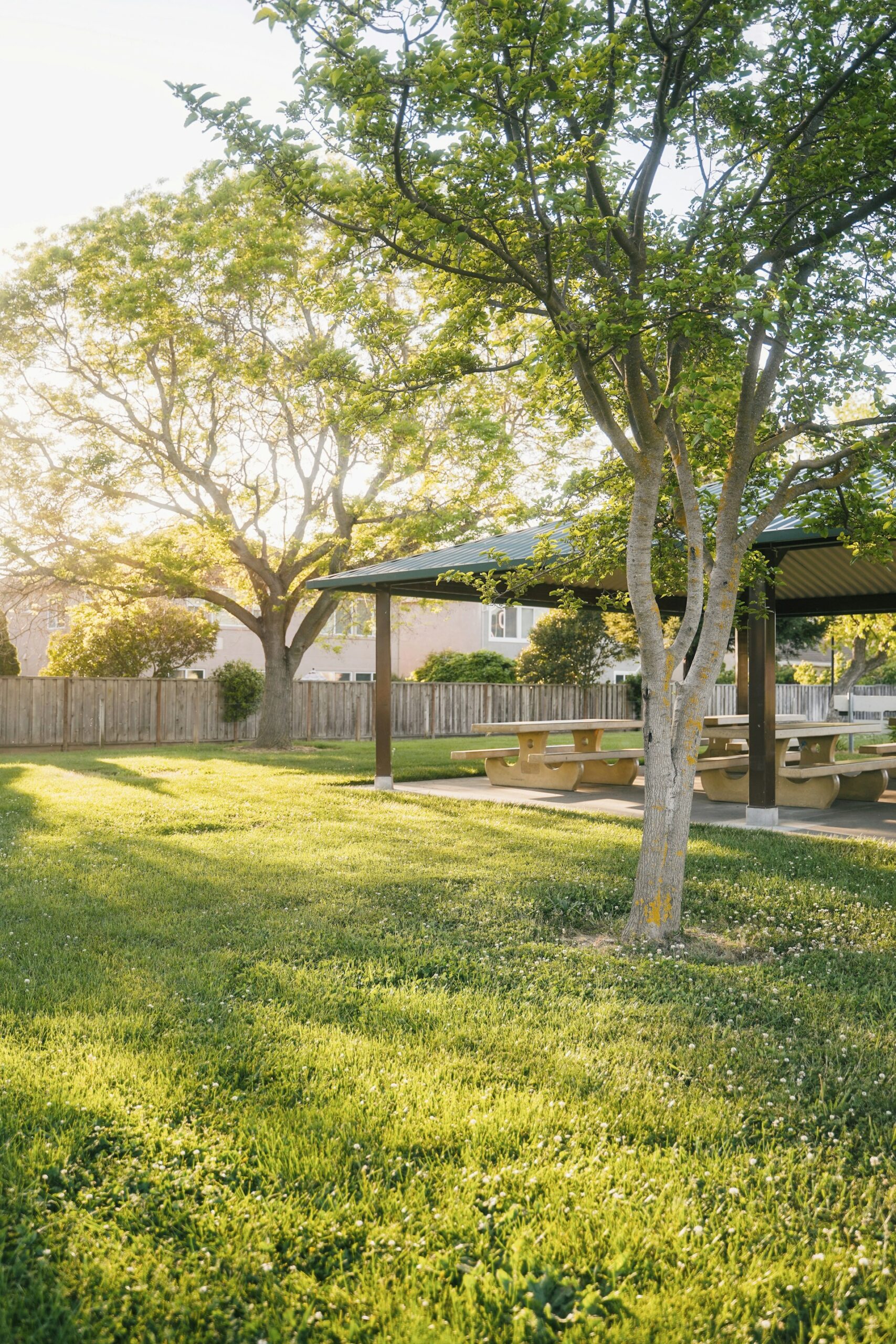
Mowing seems simple until you realize it can either support lawn health or quietly wreck it. Cutting grass too short stresses the plant, exposes soil to more sun, and creates ideal conditions for weeds.
Taller grass usually develops deeper roots and shades the soil better. That helps conserve moisture and reduces weed germination. For many common lawn types, keeping grass around 3 to 4 inches works well, though the best height depends on the species.
A few mowing habits make a bigger difference than people expect:
– Keep mower blades sharp
– Never remove more than one-third of the grass height at once
– Leave clippings when they’re not excessive
– Avoid mowing during extreme heat if possible
Grass clippings return nutrients to the soil, which is basically your lawn recycling its own leftovers. Efficient, slightly unglamorous, and very effective.
Feed the Lawn by Building Biology
Traditional lawn feeding often focuses on fast-release synthetic fertilizer. That can produce rapid color, but it doesn’t always improve long-term soil quality. Sometimes it creates a cycle where the lawn looks good briefly, then demands another round.
A more balanced strategy includes compost, organic amendments, and practices that support microbial life. Soil organisms help release nutrients gradually, improve structure, and reduce compaction over time.
That approach takes more patience, but patience is cheaper than constantly correcting avoidable problems.
Useful options may include:
– Topdressing with compost
– Mulching leaves into the lawn in fall
– Using natural soil conditioners
– Aerating compacted areas when needed
– Reducing unnecessary chemical inputs
The goal isn’t to make your yard wild or neglected. It’s to create a system where the lawn can function with less intervention and fewer emergency fixes.
Handle Weeds Like a Detective, Not a Panic Buyer
Weeds usually signal an opening. Bare soil, compaction, poor mowing habits, weak turf, and drainage issues all create opportunities for unwanted plants to move in.
That means weed control works better when you address the cause, not only the symptom. Pulling or treating weeds without fixing the lawn conditions often turns into an endless loop.
Different weeds can also tell you different things. Clover may show up in low-nitrogen conditions. Nutsedge often points to wet soil. Plantain and knotweed commonly appear in compacted areas.
A smarter plan includes:
– Filling bare spots quickly
– Improving drainage where water pools
– Mowing high enough to shade soil
– Aerating compacted zones
– Spot-treating only when necessary
Think of weeds as tiny, annoying diagnostic tools. Not charming, but informative.
Choose Grass and Plants That Fit Your Climate
One of the biggest landscaping mistakes is forcing the wrong plants into the wrong conditions and then acting shocked when they struggle. Grass type matters. So do sunlight, rainfall, temperature swings, and local soil conditions.
Cool-season grasses and warm-season grasses have different growth cycles and care needs. A yard in a humid southern climate behaves differently from one in a cooler northern region. Even within the same city, shade patterns and drainage can change the game.
If part of your lawn constantly fails, it may not be a maintenance issue. It may be a design issue.
You can reduce frustration by:
– Matching seed blends to your region
– Using shade-tolerant grass where sunlight is limited
– Replacing problem corners with ground cover or mulch beds
– Adding native plants around the lawn perimeter
A yard that fits its environment usually needs less water, less fertilizer, and fewer rescue missions.
Build a Yard That Works in Real Life
A great lawn has to survive actual living, not just look decent for ten minutes after mowing. Kids cut across it. Dogs dig in it. Friends stand on it during cookouts. Weather shows up uninvited and does whatever it wants.
That’s why the best lawn strategy is practical, not obsessive. Healthy soil, smart watering, proper mowing, and climate-appropriate planting create a yard that performs better under pressure.
You don’t need perfection. You need a space that looks good, feels usable, and doesn’t demand constant correction. When you manage your yard as a living system instead of a surface to control, the results tend to last longer.
And frankly, a lawn that can handle real life is more impressive than one that only looks good from the sidewalk.