

Siding has a bigger job than simply giving your home a finished appearance. It helps protect the structure from moisture, wind, sunlight, temperature changes, and everyday exposure to the elements. When it begins to deteriorate, the first signs can be subtle enough to overlook. A small crack or faded panel does not necessarily mean the entire exterior needs replacing. But when several problems begin appearing together—especially moisture damage, warping, recurring repairs, or declining performance—it may be time to look beyond another quick fix. Knowing what to watch for can help you address siding problems before they begin affecting other parts of the home.
Start With the Changes You Can See
Some of the most useful warning signs are visible from the ground.
Walk around the exterior during daylight and look for cracked, warped, loose, buckled, or missing sections. Pay particular attention around windows, doors, corners, and other areas where different materials meet. A single damaged panel may simply need repair. Widespread deterioration tells a different story.
Gaps and displaced sections can make it easier for moisture to reach materials behind the siding. Damage can also create opportunities for insects and other pests to find sheltered areas. If something suddenly looks different from the surrounding exterior, it deserves a closer look rather than another year of ignoring it.
Don’t Assume Higher Energy Bills Are Automatically a Siding Problem
Rising heating and cooling costs can have many causes, from weather and utility rates to HVAC performance and insulation.
Siding itself is not necessarily the culprit. However, damaged exterior assemblies, gaps, deteriorated materials, or moisture problems can sometimes contribute to poor overall building-envelope performance. If rooms have also become draftier or harder to keep comfortable, it may be worth evaluating the exterior along with insulation, air sealing, windows, and HVAC equipment.
When widespread deterioration makes exterior siding replacement worth considering, look at more than appearance alone. The condition of the existing siding, underlying wall assembly, moisture management, insulation strategy, and installation details can all influence whether replacement makes sense.
A new exterior is most valuable when it addresses the actual problems rather than simply covering them.
Fading Isn’t Always Just About Appearance
Exterior materials naturally change appearance after years of exposure to sunlight and weather.
Some fading is therefore expected and may be entirely cosmetic. What matters is what accompanies it.
If faded siding has also become brittle, cracked, chalky, or difficult to maintain, the surface may be showing broader signs of deterioration. Paint that repeatedly peels or fails can also justify investigating what is happening underneath rather than simply applying another coat.
This is where context matters.
A faded wall that remains structurally sound is different from one showing fading alongside warping, moisture problems, and damaged panels. Evaluate the overall condition instead of making a replacement decision based on color alone.
Pay Attention to What Happens After Rain
Water is one of the most important things siding helps manage.
When moisture finds its way behind damaged siding, the problem may extend beyond the material you can see. Sheathing, insulation, framing, and interior finishes can potentially be affected if moisture continues entering the wall assembly.
Watch for siding that appears swollen, soft, warped, or persistently damp. Interior peeling paint, unexplained stains, or musty odors near exterior walls can also justify further investigation.
Some exterior staining is simply dirt or surface growth and can be cleaned. Persistent moisture-related changes deserve more attention.
Understanding how walls manage rain and moisture can also help explain why siding, flashing, drainage, and the materials behind the exterior surface need to work together.
The important point is that siding is part of a system. Damage to the visible layer can sometimes be the first clue that another part of that system needs attention.
Watch for Soft Spots, Rot, and Pest Activity
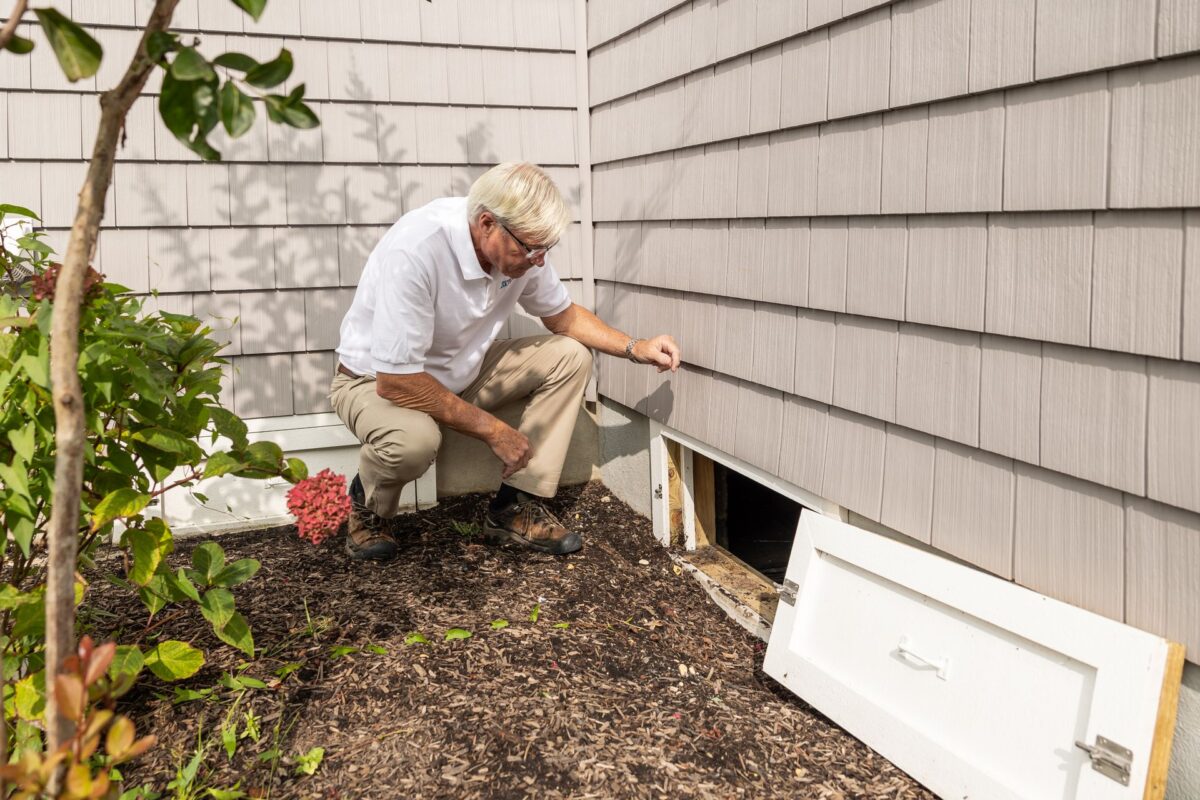
Some siding materials and exterior trim can deteriorate when they remain wet for extended periods. Soft or crumbling areas deserve attention because visible deterioration may not tell you how far the damage extends. Check around lower edges, corners, windows, doors, and areas close to vegetation or persistent moisture.
Small holes, damaged wood, or unusual debris can also suggest pest activity. The presence of insects does not automatically mean the siding needs replacement, but it may reveal an opening or moisture problem that needs correction.
If you find substantial rot or suspected structural damage, determine what caused it before replacing the visible material. Installing new siding without addressing a leak or moisture-management problem underneath simply gives the original issue a fresh surface to damage.
Think About How Often You’re Repairing It
Occasional exterior maintenance is normal.
Repeatedly repairing the same areas is different.
If you are constantly replacing damaged sections, resealing joints, repainting deteriorated surfaces, or correcting moisture-related problems, step back and look at the pattern rather than treating each repair separately.
Consider what you have spent on maintenance over the past several years and how long those repairs have lasted.
At some point, continued patching can become less practical than addressing the exterior more comprehensively.
That point is different for every home. The age and condition of the material, extent of deterioration, cost of repairs, and likelihood of additional problems should all influence the decision.
Look Beyond the Siding Material
Replacement projects are a good opportunity to consider what is happening behind the exterior surface.
Siding alone does not provide the home’s entire defense against water and air movement. Flashing, drainage layers, weather-resistant barriers, insulation, penetrations, and installation details all contribute to exterior performance.
That is why simply choosing a durable material is not enough.
Installation quality matters tremendously. Even a high-performing product can develop problems if water is directed behind it or important transitions around windows, doors, and rooflines are handled poorly.
If siding is being removed, ask whether there are signs of hidden moisture damage and how the new wall assembly will manage water.
Comparing siding materials and their maintenance needs can help when weighing durability, appearance, upkeep, and cost, but the final choice should also suit the existing home and wall system.
Know When an Inspection Is Worth It
You do not need to replace the siding because you spotted one crack.
Start by determining whether the problem is isolated or widespread.
A small damaged section may have a straightforward repair. Several walls showing warping, rot, moisture problems, loose panels, or repeated failures suggest that a more complete assessment may be worthwhile.
An inspection becomes particularly useful when you suspect damage behind the siding. Surface appearance alone cannot always reveal the condition of the sheathing, insulation, or framing underneath.
Getting that information before choosing between repair and replacement can prevent you from spending money on the wrong solution.