
In an age of mass production and artificial sameness, there is something eternally appealing about selecting true, natural materials for your home.
When designing your outdoor living area, there is hardly anything that can compare to the uniqueness of real wood.
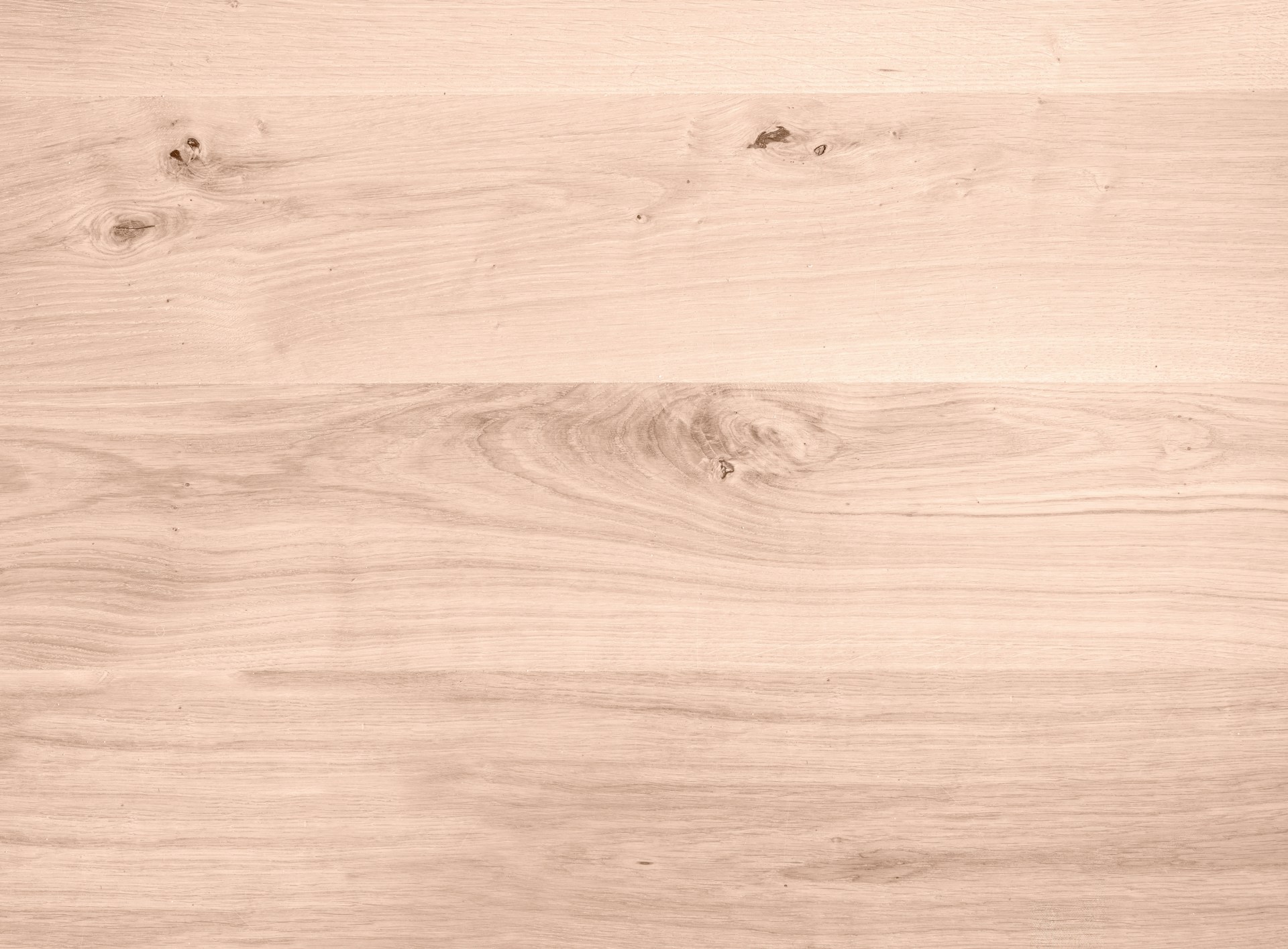
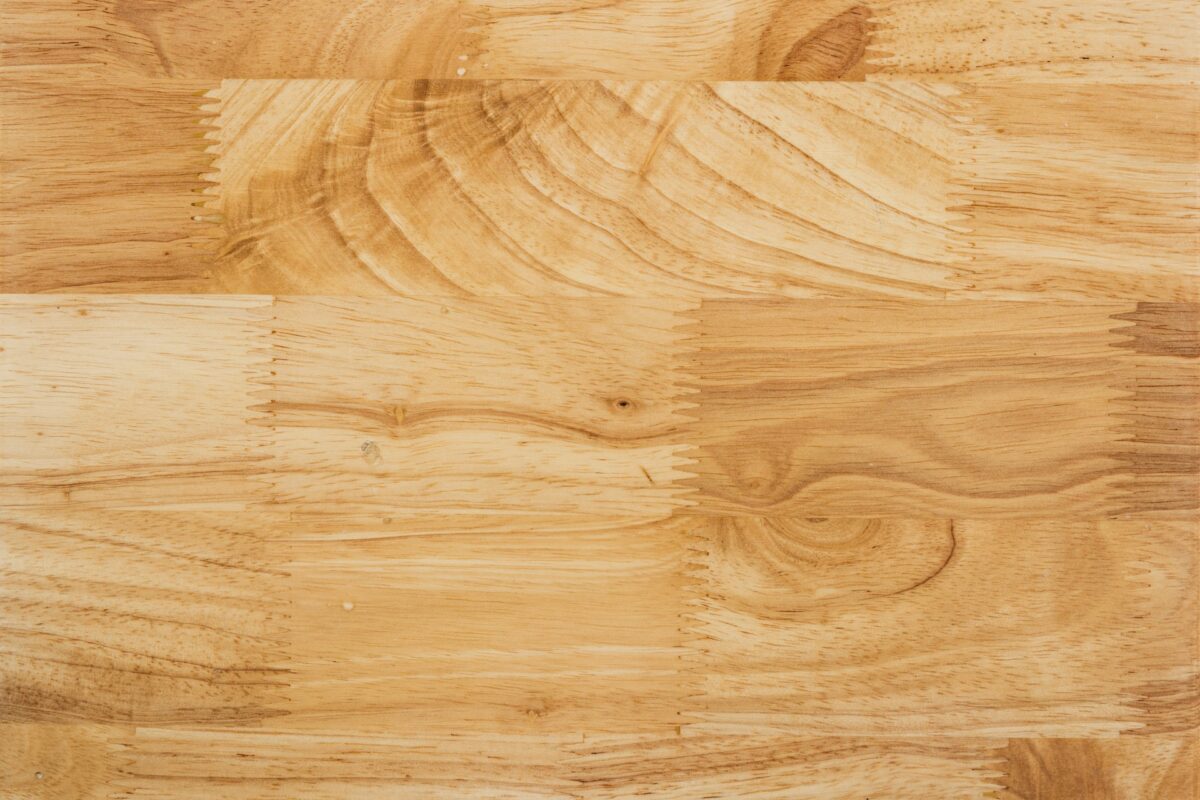
Each board speaks of its own story through variations in its colors, unique patterns, and special knots created during years of the growing process. It does not make each wooden deck alike, but rather makes each one unique and distinct from the other. Working together with your reliable deck contractor, you can use these natural features to create an outdoor oasis that is truly yours.
The Organic Artistry of Wood Grain
Wood grain is the record of a tree’s history. The process of growing in changing environments and seasons will affect the density and fiber of a tree’s structure. Growth during springtime results in soft and light wood; however, growth during summer results in dense wood fibers. Once logs are cut into pieces of decking boards, the growth rings will cross-cut against the blades of saws, producing a variety of grain patterns from pinstripe to cathedral. These natural patterns will reflect light at different angles as time passes throughout the day.
Color Shifts and Depth Across Species
Apart from varying patterns, natural wood also provides a wide variety of colors that change with time. Even within one single tree, heartwood present near the core is not the same in terms of color when compared to the surrounding sapwood. Various popular kinds of wood used for decks have different color schemes. For instance, cedar has warm shades of amber, tan, and even red. Redwood, on the other hand, has beautiful earth tones that are fiery. Tropical hardwood such as Ipe provides an array of colors starting from dark chocolate, gold, and olive colors. Together with the help of an experienced deck contractor near me, it will be easy to find out which kind of wood should be laid in which position so as to get various colors displayed.
Embracing Knots and Character Marks
The real character of wood is revealed through character marks in most cases for homeowners. The knots occur at points where the branches sprang off the main tree, producing tight spirals and dark spots acting as the focal point of grain patterns. Mineral streaks, gum veins, and marbling of color are other ways of making these woods distinctive. In modern architectural designs, such character marks are not concealed but highlighted as proof of authentic materials. They provide constant reminders of nature in an organic way that makes you want to go barefoot.
Aging Gracefully Over Time
An equally fascinating attribute of the natural beauty of wood is that wood tends to change with time. With exposure to elements such as the sun, air, and seasonal changes, the exterior of wood ages in a natural way. If left alone without any protection, most kinds of wood will age into a distinct silver-grey finish, which is sought after for seaside and rustic designs. On the other hand, using stain and sealer products will enable you to preserve and enhance the natural hues of wood while increasing the contrast within grain lines.
Conclusion
Your home should be a reflection of your individuality, and your outdoor living space deserves the same thoughtful distinction. Natural wood grain variation offers an unmatched blend of organic beauty, texture, and character, guaranteeing a finished product that belongs uniquely to you. By collaborating with a reliable deck contractor, you can transform raw, hand-selected lumber into a breathtaking, durable deck that elevates your backyard and provides a one-of-a-kind setting for outdoor living for decades to come.