





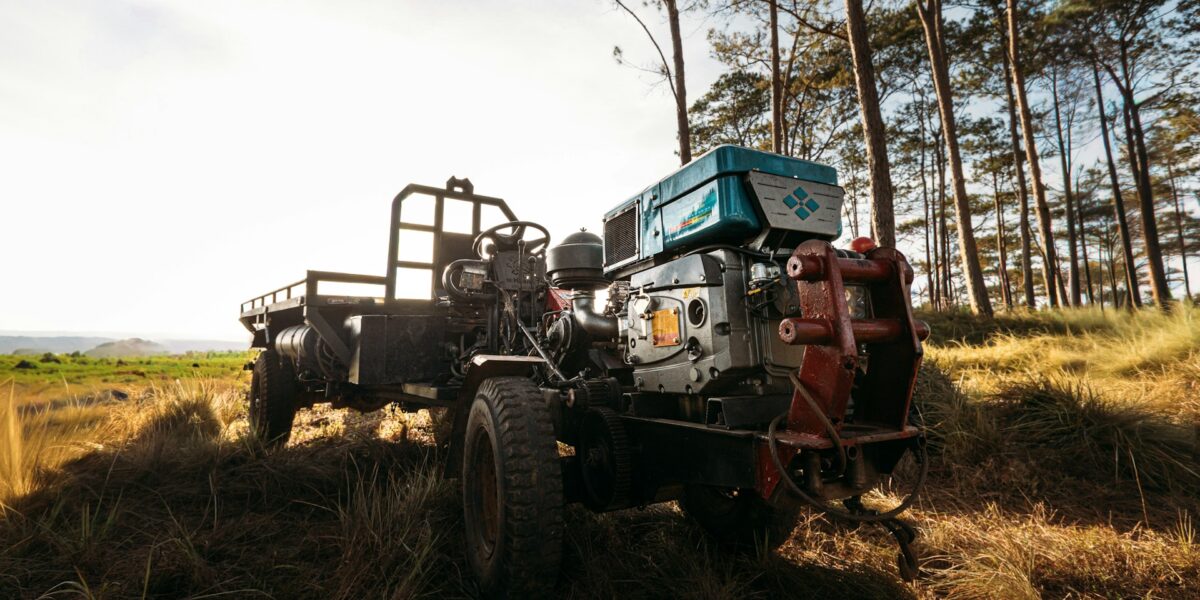

Whether you are preparing your home for unexpected winter outages or running tools on an off-grid job site, relying on standard mains power has its limits.
When the lights go out, heating systems shut down, food in the fridge begins to spoil, and work comes to a sudden halt.
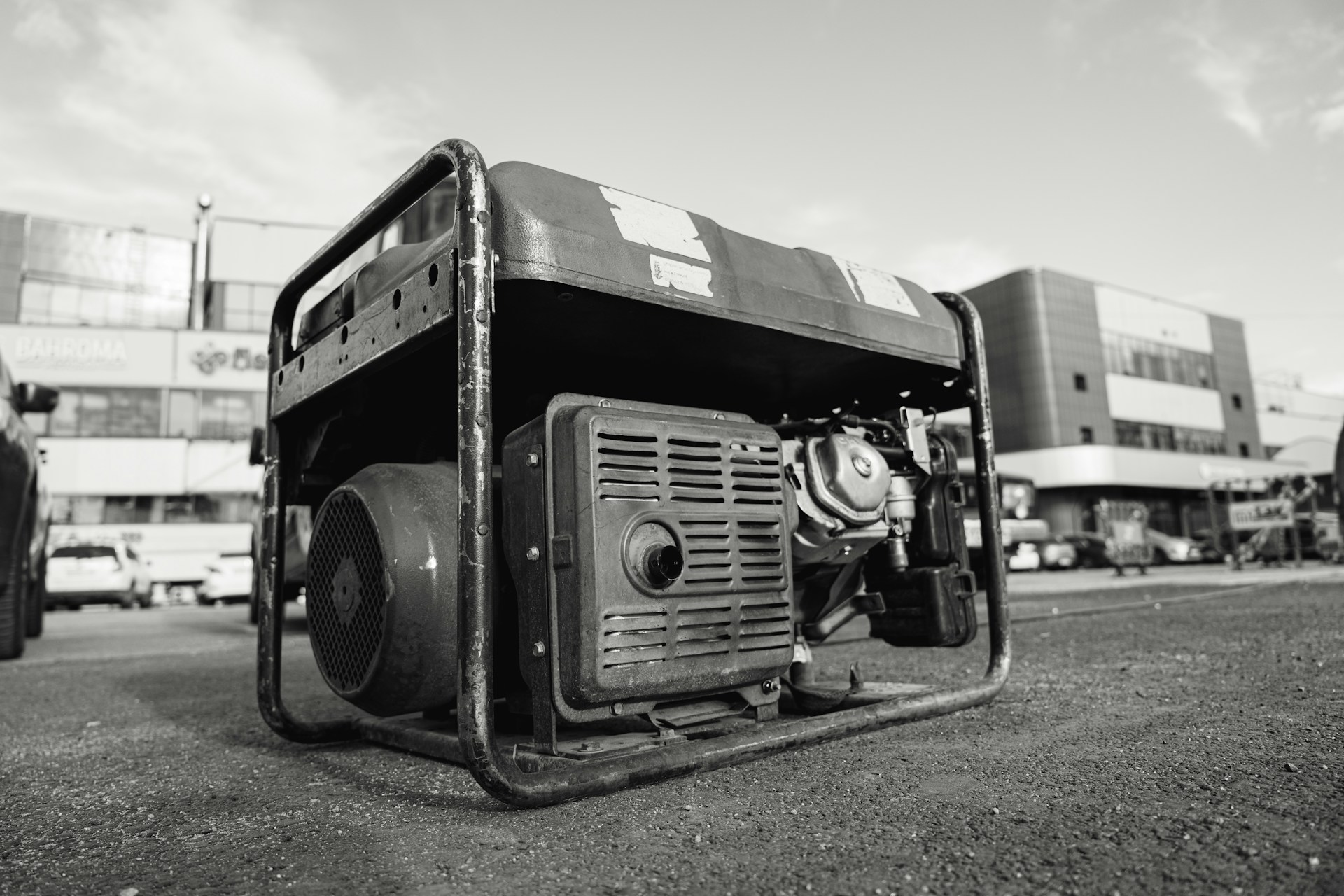
Turning to a petrol-driven setup provides a practical backup when mains power is unavailable. For homeowners, it keeps your essential appliances powered during blackouts. For tradespeople and business operators, it can supply tools, mobile setups and site equipment in remote locations.
Understanding how a petrol generator works, along with its key features, pros, and cons, will help you decide whether investing in one is the right move for your needs.
What Is a Petrol Generator and How Does It Work?
A petrol generator is a device that uses petrol to produce electricity when mains power is not available. Inside the generator, an internal combustion engine burns the petrol and uses the energy to turn a shaft. This shaft is connected to an alternator, which turns the engine’s mechanical energy into electrical energy.
The electricity then passes through a voltage regulator to help maintain a suitable output before reaching your appliances, tools or other equipment. Petrol generators produce AC electricity, similar to the power supplied by the mains. Depending on the model, they can provide different power outputs, so choosing one with enough capacity for the equipment you plan to run is important.
Advantages and Disadvantages of Petrol Generators
Petrol powered generators have several practical benefits, particularly if you need temporary or portable power. However, they also have some drawbacks to consider before buying.
Advantages
- Lower purchase cost: Petrol models are generally cheaper to buy than comparable diesel models, which makes them a more affordable option for occasional use.
- Easy to transport: Many petrol-fuelled generators are compact and relatively lightweight, making them easier to move between locations.
- Fuel is widely available: Petrol is readily available at most fuel stations, so refuelling is usually straightforward.
- Quieter operation: Petrol-powered generators are generally quieter than diesel models, although noise levels vary between generators.
- Easy starting: Many models use either an electric start or pull-start system, allowing you to get the generator running quickly.
Disadvantages
- Higher fuel consumption: Petrol generators are generally less fuel-efficient than diesel models, particularly during longer periods of use.
- Shorter working life: Petrol engines can have a shorter service life than diesel engines when used heavily or for extended periods.
- Regular maintenance: Like any engine-powered equipment, petrol-fuelled generators need routine maintenance.
- Less suited to heavy loads: These types of generators are generally better suited to smaller and medium power requirements than large industrial applications.
- Petrol is highly flammable: Fuel needs to be stored and handled carefully, away from heat, flames and other ignition sources.
Common Applications
Petrol-powered generators can be useful wherever temporary power is needed, including:
Home backup: Power essential appliances during blackouts.
Camping and outdoor events: Run lights, speakers and small appliances.
Construction sites: Supply power for tools, compressors and temporary lighting.
Small businesses: Keep computers, tills and essential equipment running during outages.
Farms: Power small irrigation systems, portable machinery and other equipment.
What to Consider Before Buying
Choosing a petrol generator is easier when you know what you need it to handle. Consider these factors before making a purchase.
Power Output
Check the generator’s rated output in kW or kVA and compare it with the total power required by the appliances or equipment you plan to run. For example, if your appliances require a combined 3 kW, choose a generator with a rated output above 3 kW to provide some additional capacity.
Starting Wattage
Some appliances and power tools require more electricity when they first start than they need while running. Check both the generator’s running and starting wattage to make sure it can handle these temporary increases in demand. This is particularly important when powering equipment with electric motors, such as refrigerators, pumps and power tools.
Run Time and Fuel Tank Size
Consider how long you need the generator to run between refuelling. A larger tank can provide longer running times, although fuel consumption varies by model and load.
Noise Levels
Generators produce engine noise, so this matters if you plan to use one near your home, neighbours or at an outdoor event. Check the manufacturer’s stated noise level before buying.
Portability
If you need to move the generator regularly, look at its weight, handles and wheels. A compact, lighter model may be easier to transport.
Startup Type
Petrol generators may use a manual pull-start, electric start or both. Electric start can be more convenient, particularly if you expect to use the generator frequently.
Safety Features
Look for useful features such as overload protection, low-oil shutdown and voltage regulation. These can help protect the generator and connected equipment.
Safety and Maintenance Tips
Using a petrol generator safely comes down to where you run it and how well you maintain it.
Use It Outdoors
Always operate a petrol generator outdoors in a well-ventilated area. Never use one inside a home, garage, shed or other enclosed space, as the engine produces carbon monoxide.
Keep It Away from Flammable Materials
Place the generator on a stable, dry surface away from petrol containers, heat sources and other flammable materials. Allow the engine to cool before refuelling.
Check the Oil and Fuel
Check the oil level before use and refuel with the correct type of petrol recommended by the manufacturer. Avoid overfilling the tank.
Carry Out Regular Maintenance
Follow the manufacturer’s maintenance schedule for oil changes, air filters, spark plugs and other components. Clean the generator regularly and inspect cables and connections for signs of damage.
Store It Properly
When the generator is not in use, store it somewhere dry and secure, following the manufacturer’s instructions for fuel storage and long-term storage.
Final Words
Choosing the right generator comes down to understanding how and where you plan to use it. Petrol models can suit a range of situations, but their performance, fuel use, noise and maintenance needs vary between models. Taking the time to understand these differences before buying can help you choose a generator that matches your power requirements and provides dependable performance when you need it.