





If you’re thinking about upgrading your patio, driveway, or pool deck, stamped concrete probably keeps showing up for good reason. It can mimic premium materials without pushing your budget into panic mode. You also get a surface that looks polished and intentional, which matters when you want your home to feel more finished. Before you commit, it helps to know how it works, what it costs, and where people usually make expensive mistakes.
What Stamped Concrete Actually Is
Stamped concrete is poured concrete that gets patterned, textured, or colored before it fully cures. The goal is to make it look like stone, brick, slate, tile, or even wood. You get the visual style of higher-end materials with a simpler installation process and fewer moving parts.
That doesn’t mean it’s a shortcut product. Good stamped concrete still depends on base preparation, mix quality, timing, and finishing skill. If the crew gets sloppy, the final surface can look fake fast.
You’ll usually see it used for:
– Patios
– Walkways
– Driveways
– Pool decks
– Courtyards
– Entry paths
It’s popular because it lands in a sweet spot between design flexibility and practical cost. Think of it as a surface upgrade that tries to do more than just sit there and be gray.
Why Installation Quality Matters So Much
Stamped concrete is one of those projects where craftsmanship shows immediately. You can’t hide weak prep under a nice pattern. Cracks, uneven coloring, poor imprint depth, and drainage issues tend to announce themselves pretty loudly.
That’s why choosing a qualified concrete stamped installation service matters. The work involves grading, forming, mixing, timing, coloring, stamping, control joints, curing, and sealing. It’s technical, and each step affects the final look and durability.
A strong installer should be able to explain:
– Which patterns fit your space
– How the surface will handle traffic
– Where joints will go
– What maintenance you’ll need
– How local climate can affect performance
You’re not just paying for concrete. You’re paying for execution. In decorative flatwork, that difference is the whole game.
Why So Many Homeowners Choose It
You probably want something that looks custom without triggering a full renovation spiral. Stamped concrete fits that mindset. It gives you a decorative finish that can elevate plain outdoor areas and make them feel more tied to the style of your house.
A basic backyard slab can suddenly read as a designed entertaining space. A driveway can look less builder-grade and more intentional. That visual payoff matters if curb appeal is on your radar.
Common reasons people choose stamped concrete include:
– Lower cost than natural stone or pavers
– Wide variety of patterns and colors
– Faster installation than laying individual units
– Easier maintenance in many cases
– Fewer weeds compared with paver joints
It also creates a more unified look. If you like clean lines and less visual clutter, one continuous decorative surface can feel a lot calmer than multiple materials competing for attention.
Where It Works Best Around Your Home
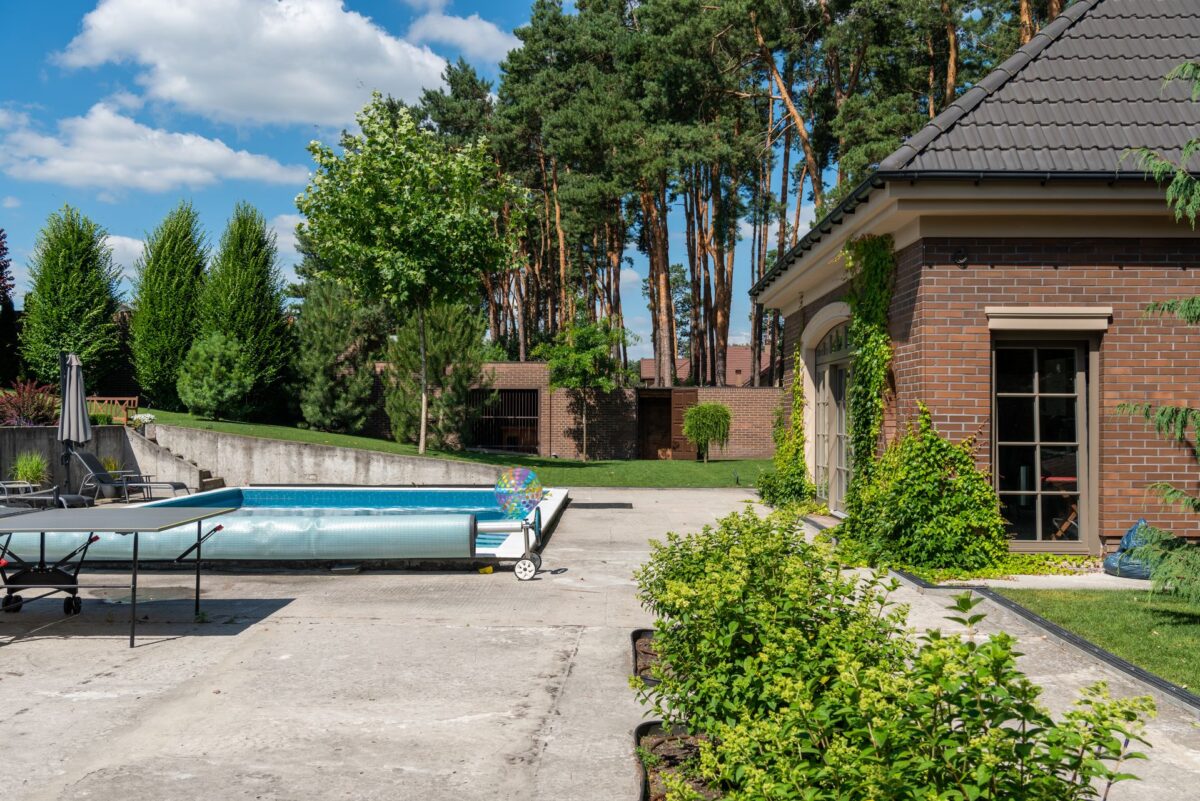
Not every surface has the same job. A pool deck deals with water and bare feet. A driveway handles vehicle weight and oil drips. A patio has to survive furniture scraping, food spills, and the occasional dramatic weather swing.
Stamped concrete works best when the design matches the function. A heavily textured finish may look great near a garden path, while a smoother pattern might suit a modern patio. For pool areas, slip resistance becomes a serious detail, not a nice bonus.
You should also think about sun exposure and drainage. Darker colors can absorb more heat, which matters if you live somewhere brutally sunny. Poor drainage can leave water sitting on the surface, and standing water is rarely a design feature anyone asked for.
A smart install considers use first, aesthetics second, and then combines them well.
What Affects the Final Cost
Stamped concrete usually costs more than plain poured concrete but less than premium masonry options. The exact number depends on more than square footage. Pattern complexity, coloring methods, site access, grading needs, edge details, and sealing all influence the price.
Labor is a major factor because stamped concrete is time-sensitive. Once the concrete reaches the right stage, the crew has to work efficiently and accurately. There’s not much room for hesitation.
Your estimate may increase if you need:
– Demolition of existing surfaces
– Drainage correction
– Reinforcement upgrades
– Multiple colors or custom borders
– A thicker slab for vehicle traffic
– Complex shapes or tight access areas
If you’re comparing bids, don’t just scan the total. Look at what’s included. A cheaper quote can leave out prep work or sealing, which is where budget optimism starts getting humbled.
Maintenance Is Simple, but Not Optional
Stamped concrete is fairly low-maintenance, but low-maintenance is not the same as no-maintenance. If you ignore it for years, it will absolutely return the energy.
Most surfaces need periodic cleaning and resealing. Sealer helps protect color, reduce moisture intrusion, and improve stain resistance. The schedule depends on climate, traffic, and exposure, though many surfaces need resealing every two to three years.
To keep it looking good:
– Sweep away debris regularly
– Wash off dirt and spills before they set
– Reseal as recommended
– Avoid harsh de-icing chemicals when possible
– Use protective pads under heavy furniture
– Fix small cracks early
In cold climates, freeze-thaw cycles can be rough on concrete if water gets into unprotected areas. A little routine care does a lot of damage prevention, which is less exciting than picking colors but much better for your wallet.
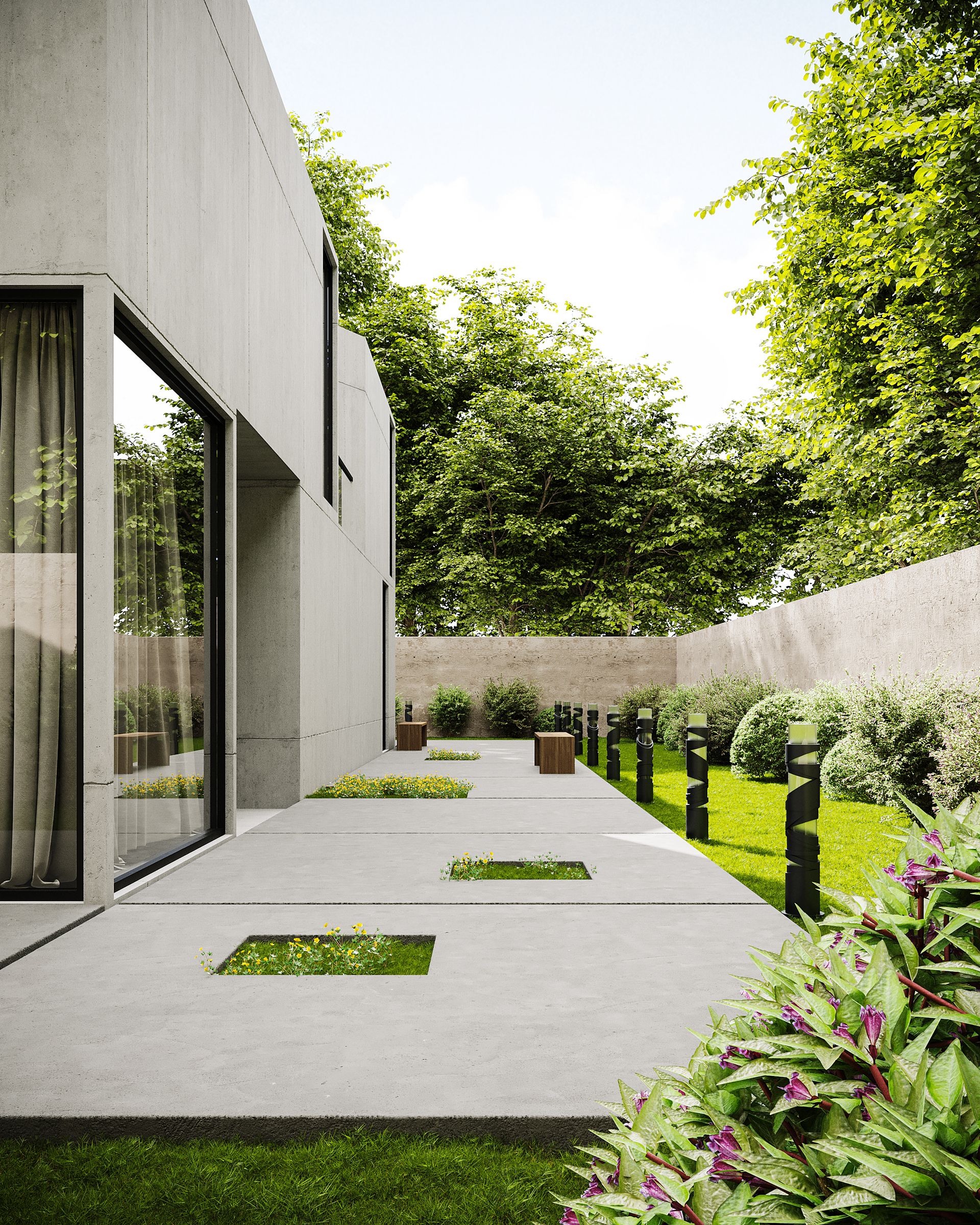
Common Mistakes You’ll Want to Avoid
A lot of stamped concrete problems start before the concrete truck even arrives. People rush the planning stage, pick style over function, or hire based only on price. That combination can turn a nice upgrade into a very visible lesson.
One common mistake is choosing a pattern that clashes with the home. Ultra-rustic slate next to a sleek modern exterior can feel off. Another is skipping drainage planning. Even beautiful surfaces lose points when they collect puddles like a part-time pond.
Watch out for these missteps:
– Not checking the contractor’s past decorative work
– Choosing colors only from tiny samples
– Ignoring slip resistance needs
– Forgetting long-term maintenance
– Underestimating how much prep affects durability
– Treating all concrete bids as equal
Stamped concrete can look impressive for years, but only when design, installation, and upkeep stay aligned. Looks matter. Performance matters more.
How to Decide if It’s Right for You
Stamped concrete makes sense if you want a customized outdoor surface with strong visual impact and a more manageable price than stone or pavers. It’s especially appealing when you want one cohesive material across a patio, walkway, or driveway.
It may be a great fit if you value:
– Design flexibility
– Faster installation timelines
– A cleaner, joint-light surface
– Solid curb appeal gains
– Balanced cost and style
Still, it isn’t automatic. If you prefer the individual-unit repairability of pavers, or you’re aiming for a very specific natural material, another option may suit you better.
The best decision usually comes from seeing real examples, asking sharper questions, and matching the surface to how you actually live. If your outdoor space needs a glow-up with substance behind it, stamped concrete deserves a serious look.