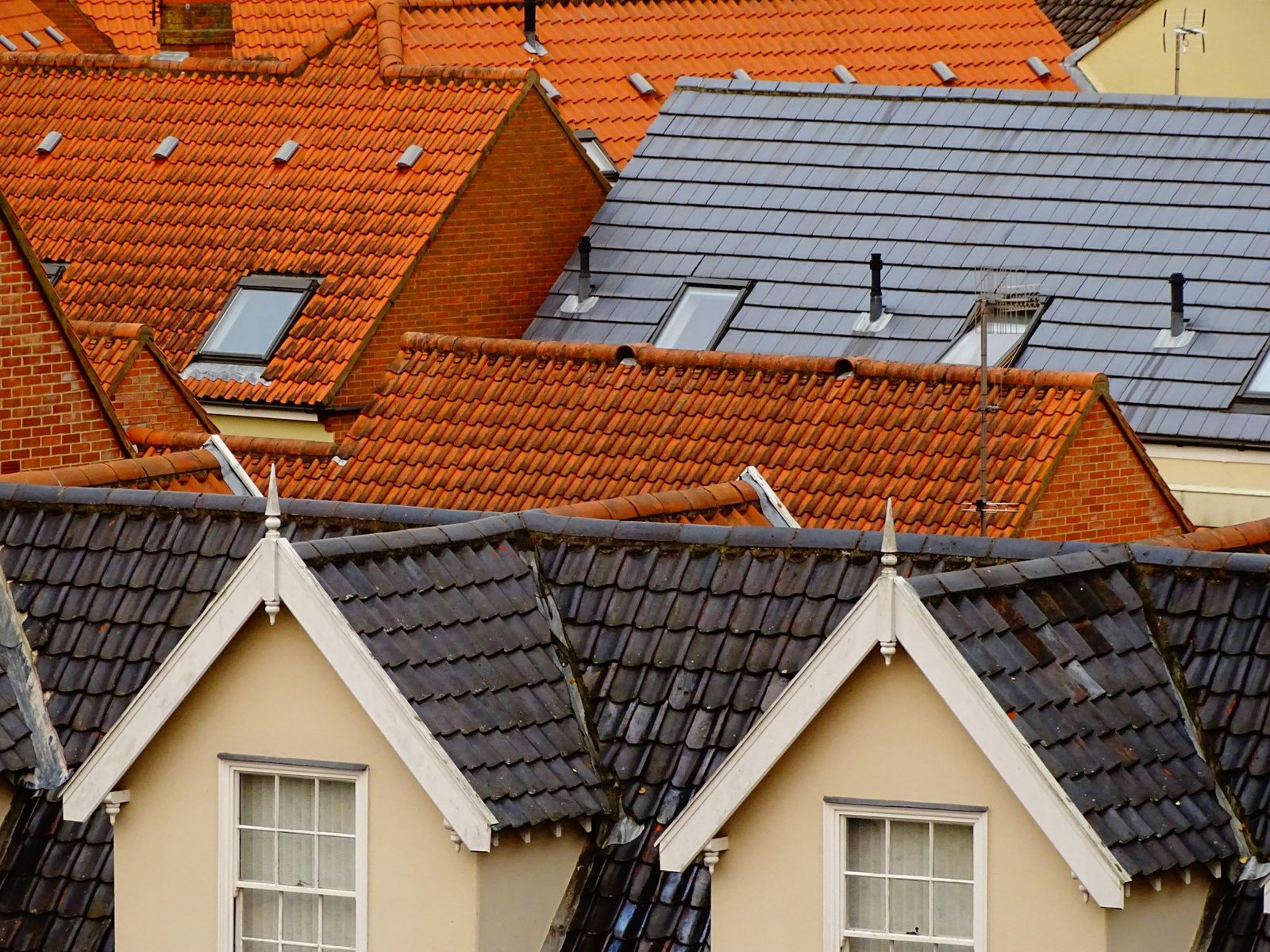




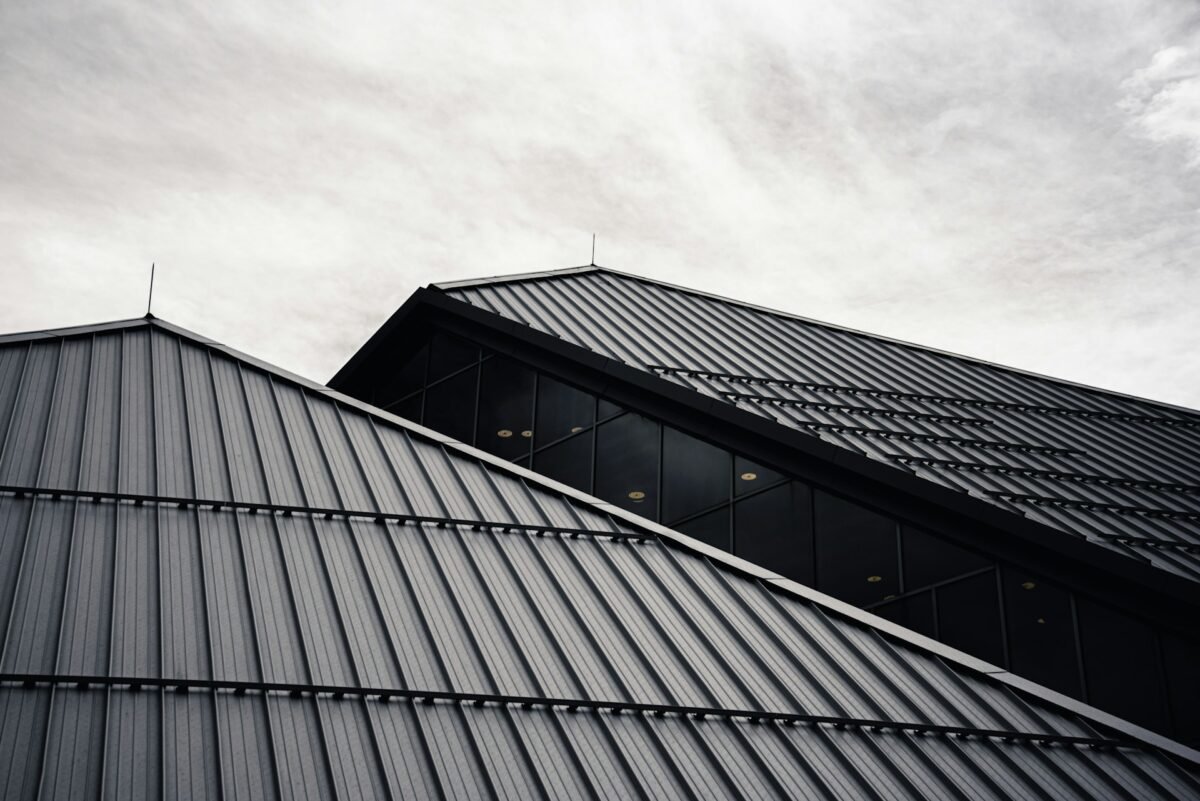

Most people start with a picture in their head – clean lines, fresh color, something sharp. The house rarely matches that picture once you slow down and really look. Paint peels in places you didn’t notice, trim sits unevenly, and water stains hide under edges.
You think it’s cosmetic. It usually isn’t. Exterior work exposes things. Rot, weak joints, gaps where air slips through. Not dramatic at first glance, but they stack. So before anything else, walk the perimeter slowly. Look twice. Then assume you still missed something.
Budgeting comes next, though it doesn’t behave the way people expect. Numbers feel solid early on, then they loosen. Small additions creep in—tools, fasteners, disposal fees, a repair that suddenly can’t be ignored. The project expands sideways rather than blowing up all at once. That’s the tricky part. You don’t notice the shift until you’re already over the original plan. It’s normal, still annoying. Better to expect movement than lock yourself into a tight number that won’t hold.
Materials Don’t Act the Same
Choosing materials sounds straightforward, yet it isn’t. People lean toward what looks good first, what feels right visually. But appearance doesn’t carry the weight here—performance does. When it comes to siding, the differences show up fast. Vinyl, wood, and fiber cement, each come with their own habits. Some fade under strong sun, others hold color but crack or swell. Maintenance varies more than expected.
Climate keeps pushing into the decision whether you want it or not. Heat, moisture, wind—they all test materials differently. What works fine in one region might struggle in another. Install quality sits right beside that. A good siding product installed poorly won’t last; a decent one installed well often holds up better than expected. That’s why people start looking for experience, not just availability, and end up hiring KVN siding company, since local knowledge tends to matter more than a generic promise.
Permits Slow You Down — Then Save You
Paperwork gets ignored early. It feels like a delay, like something that can be handled later. That’s a mistake people repeat. Permits exist for structure, for safety, for things that don’t show until something fails. You might get away without them for a while, but problems surface during inspections, when selling, or when something goes wrong, and documentation suddenly matters.
Codes are not random either. They’re built from past issues—fires, wind damage, water intrusion. Following them isn’t about being strict; it’s about avoiding known failures. Still, the process isn’t smooth. Forms, approvals, waiting. It breaks momentum. But skipping it creates bigger interruptions later, and those don’t come quietly.
Timing Never Stays Fixed
Schedules look clean on paper. Real work doesn’t. Weather interrupts everything. Rain stops progress. Heat slows it. Cold changes how materials behave, sometimes making installation harder than expected. Days shift, then weeks stretch without a clear reason. It’s frustrating because no single delay feels serious, yet together they change the whole timeline.
Sequence matters too. Roofing, siding, windows—they overlap more than people think. Doing one before the other can mean undoing parts of the job later. It’s not always avoidable, but ignoring the order almost guarantees rework. Planning helps, though plans rarely stay untouched once work begins.
People Make or Break It
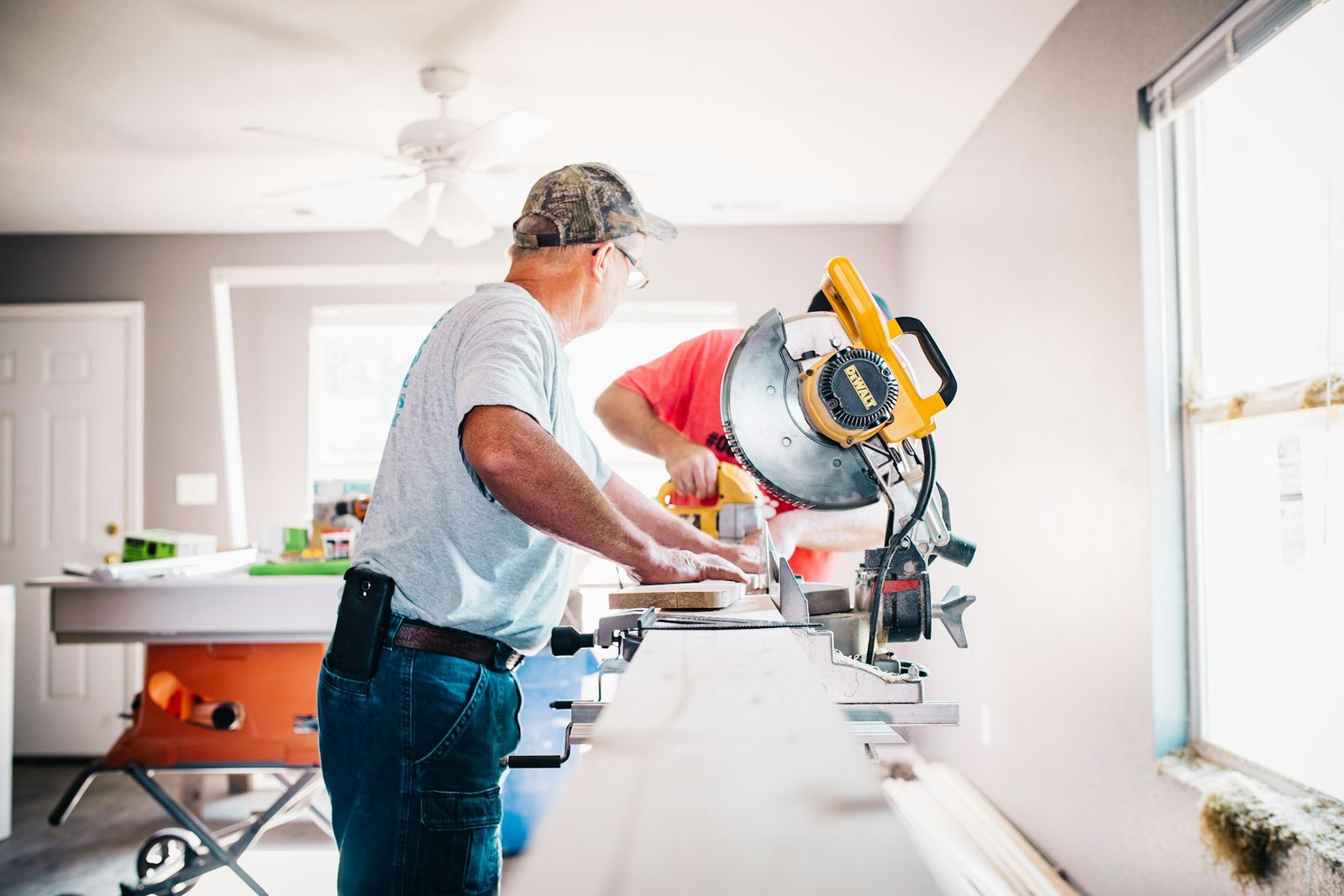
The crew matters more than the materials, more than the plan. Skill varies. Some workers move quickly but leave small inconsistencies. Others take longer, more careful, yet not always consistent either. You see it in corners, in seams, in how edges line up or don’t.
Communication isn’t perfect. You explain something, and it gets interpreted differently. Not wrong, just different. Fixing that mid-project becomes part of the process. It takes time. Sometimes you let small things go because correcting them would mean undoing too much. Not ideal, but common.
What You Don’t See Costs More
Hidden issues show up once work starts. That’s almost guaranteed. Wood behind siding might be soft, insulation uneven, and pests present. None of it was visible at the start. Once exposed, it can’t be ignored. You’re already committed at that point, so the budget shifts again. Disposal adds another layer. Old materials need to go somewhere. Hauling them away costs time and money, sometimes more than expected. It’s not a detail people think about early, but it’s part of the job, whether you plan for it or not.
Design Isn’t Just Preference
Aesthetic choices feel simple—color, texture, pattern. But they carry consequences. Dark colors absorb heat, lighter ones reflect it. Rough textures collect dirt differently from smooth ones. A sample might look perfect in isolation, then feel overwhelming across a full wall. Context creeps in. Neighboring houses, the overall style of the area, and even the resale value. You might want something bold, something different, yet the surroundings pull you toward something safer. It becomes a balance, not always comfortable, not always clear.
Thinking Beyond the Finish
The result isn’t just what you see when the work is done. It’s how the house holds up after. Maintenance cycles change depending on your choices. Some materials need attention regularly, others less often, but with more effort when they do.
Energy efficiency improvements don’t show immediately. They build over time, quietly affecting bills. Structural fixes don’t show at all, yet they matter more than anything visible. The value sits under the surface, not obvious, but real.
It Doesn’t End Cleanly
Starting an exterior upgrade feels like a clear decision. It isn’t. It’s a chain of smaller decisions, each adjusting the last. Plans shift, costs move, expectations change. You don’t control all of it. You manage it as it unfolds. Going in prepared helps, though it won’t make things smooth. Expect some disorder. Expect adjustments. The house will change slowly, then suddenly look finished. But even then, it’s not just about appearance. It’s about how it performs, how it holds, how it settles into its new state over time.