


When choosing a neighborhood in Sandusky, Ohio, look beyond a single measure of safety and consider factors such as crime patterns, lighting, traffic, schools, property conditions, access to services, and the overall character of the area.
A neighborhood that fits one household may not be the right choice for another, so personal priorities should guide the decision.
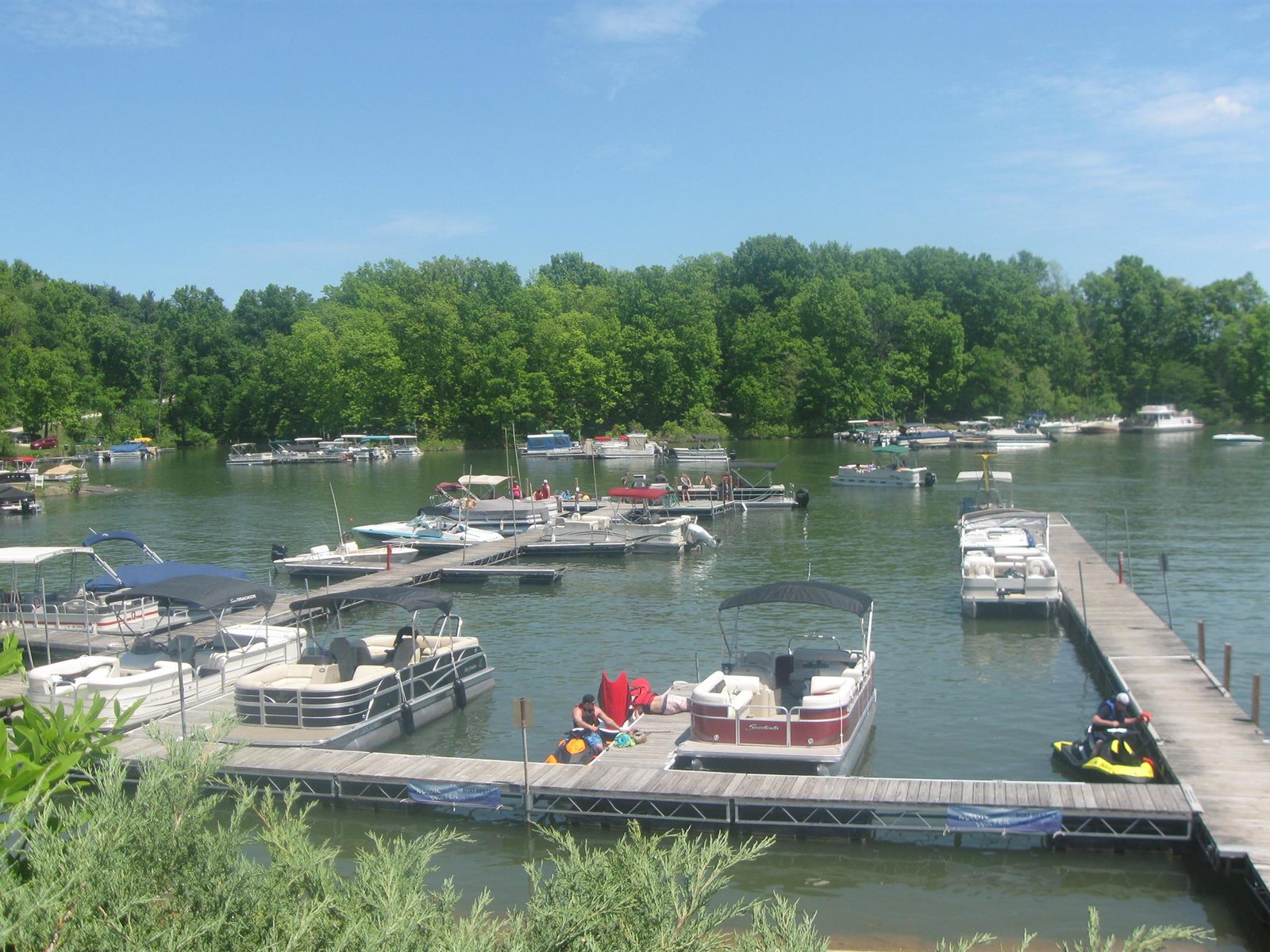
Sandusky is a Lake Erie community known for its waterfront, tourism, historic areas, and residential neighborhoods. The city also has a mix of established homes, newer developments, commercial districts, and areas that experience seasonal activity. So “Is Sandusky, Ohio, safe?” The answers depend on evaluating individual neighborhoods and their surroundings, which can provide more useful information than relying on a citywide impression.
Check Local Crime Information
Crime statistics can provide useful context, but they should not be the only factor in choosing a neighborhood.
Look for information about the types of reported incidents, where they occur, and whether patterns have changed over time. A citywide number may not accurately describe conditions on a particular street.
Local police information and recent public records can provide more relevant details than older general statistics.
Visit the Area at Different Times
A neighborhood can feel very different during the morning, afternoon, evening, and weekend.
Visit more than once if possible. Pay attention to lighting, traffic, pedestrian activity, noise, parking, and how residential streets are used after dark.
Visiting at different times can provide a more realistic picture of daily conditions.
Examine Street and Property Conditions
Well-maintained streets, sidewalks, lighting, and public spaces can affect the overall experience of living in an area.
Look for damaged sidewalks, poor street lighting, abandoned properties, vacant lots, or other conditions that may affect your priorities.
The condition of neighboring properties can also provide clues about how an area is maintained.
Consider Traffic and Transportation
Traffic patterns matter, particularly for families with children, pedestrians, and people who commute regularly.
Check whether the neighborhood is close to busy roads, intersections, highways, or commercial areas. Consider sidewalk availability, crossing locations, bike access, and public transportation if those factors are important to your household.
Research Schools and Services
Families may want to examine nearby schools, childcare options, libraries, parks, healthcare facilities, grocery stores, and other services.
Even if you do not have children, access to essential services can affect convenience and the long-term suitability of a neighborhood.
Consider Seasonal Activity
Because Sandusky is a Lake Erie destination with significant tourism, some areas can experience changes in traffic and activity during busy seasons.
If you are considering buying or renting property, ask how seasonal tourism affects parking, traffic, noise, and nearby businesses.
This can be particularly useful when evaluating a property near entertainment, waterfront, or heavily visited areas.
Talk With People Who Live Nearby
Residents can provide practical information that may not appear in public statistics. Ask about traffic, noise, maintenance, parking, community activities, and any recurring concerns.
However, individual opinions are subjective. Compare what residents tell you with public information and your own observations.
Look at the Whole Picture
No single factor can determine whether a neighborhood is right for you. Crime information, property conditions, traffic, nearby services, schools, local activity, and personal preferences should all be considered together.
It can also be helpful to compare several neighborhoods rather than making a decision based on one visit or one statistic.
Key Takeaways
- Examine neighborhood-level information instead of relying only on citywide statistics.
- Visit prospective neighborhoods at different times of day.
- Pay attention to lighting, sidewalks, traffic, and property conditions.
- Research schools, parks, healthcare, shopping, and transportation.
- Consider how seasonal tourism affects activity in different parts of Sandusky.
- Speak with residents while recognizing that personal opinions can vary.
- Compare several areas before choosing where to live.