







Running a business means juggling a hundred priorities every day. Sales, staffing, inventory, customer service, compliance—the list never seems to end. Pest management usually sits somewhere near the bottom until something goes wrong. The problem is that by the time pests become obvious, they have often already caused damage to your property, products, or reputation.
A proactive commercial pest management plan helps businesses stay ahead of those problems instead of reacting to them. It combines prevention, routine inspections, staff awareness, building maintenance, and professional support to reduce the chances of infestations disrupting daily operations. The goal isn’t simply to get rid of pests. It’s to create an environment where they struggle to settle in at all.
Prevention Should Be Part of Everyday Operations
The strongest pest management plans don’t begin when someone spots a rodent or an insect. They begin long before that. Every commercial property naturally attracts pests in some way. Restaurants generate food waste. Warehouses offer shelter. Offices provide warmth and water sources. Retail stores constantly receive deliveries that may unknowingly bring insects or rodents inside.
Instead of waiting for visible problems, successful businesses build prevention into their everyday routines. Simple habits like cleaning spills quickly, storing products correctly, managing waste, and inspecting deliveries can dramatically reduce pest activity. Thinking about pest prevention as part of normal operations rather than emergency response helps businesses avoid expensive surprises later.
Know When Professional Treatment Becomes Necessary
Even the best prevention plans have limits. If pests continue returning despite good housekeeping, appear in multiple areas, damage inventory, or begin affecting customers or employees, professional treatment is usually the safest option.
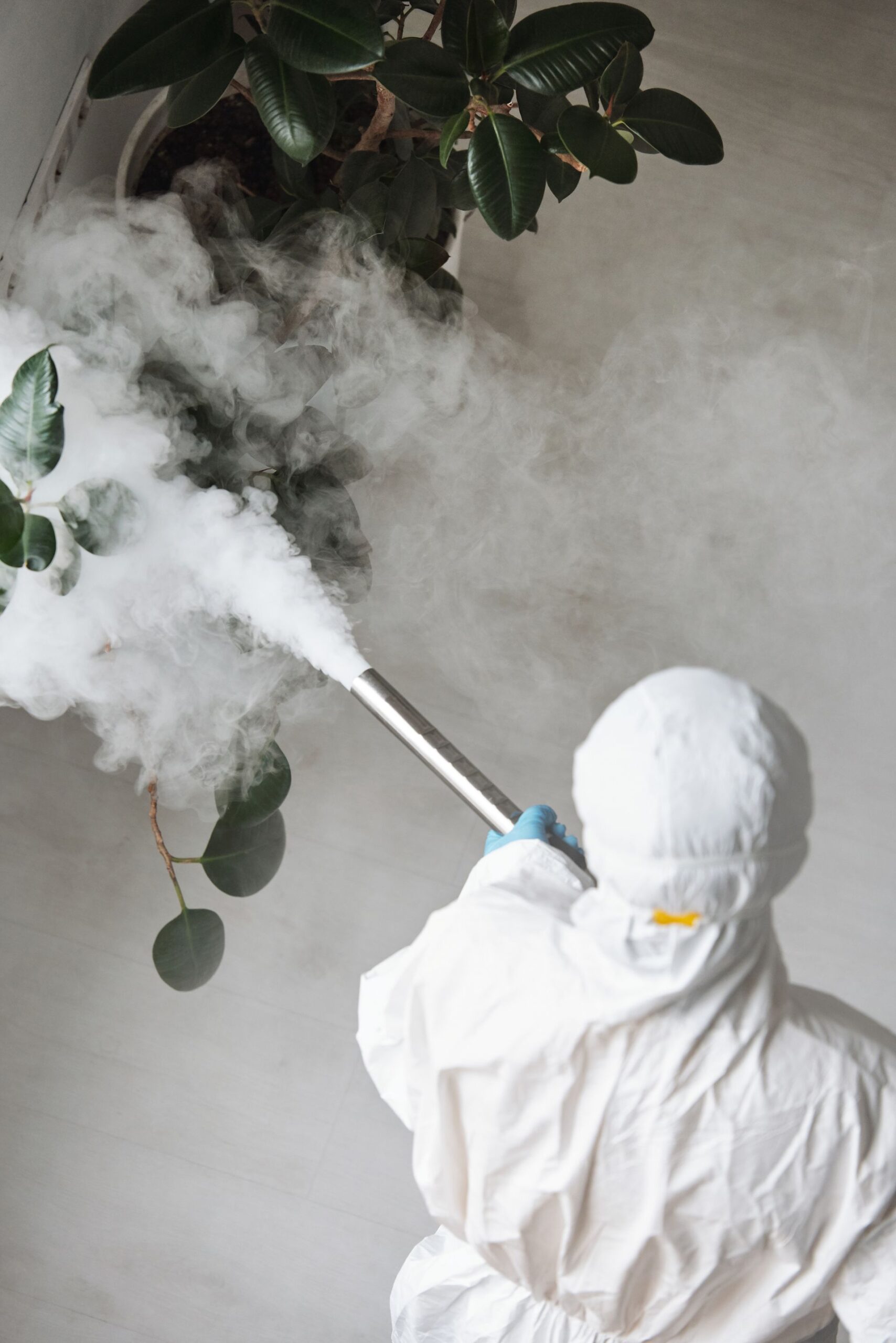
Large commercial buildings present challenges that home treatments simply aren’t designed to solve. Warehouses, manufacturing facilities, food processing plants, healthcare facilities, hotels, and multi-unit properties often require specialized approaches depending on the type and scale of the infestation. In more serious situations, commercial fumigation experts can evaluate the problem and recommend treatments that eliminate pests throughout the property rather than simply addressing the visible symptoms. Professional services also help businesses comply with industry regulations while minimizing disruption to normal operations.
The earlier professional support is brought in, the easier many infestations are to control.
Routine Monitoring Helps Catch Problems Early
One of the biggest mistakes businesses make is assuming no news means good news. Most infestations begin quietly. Rodents often remain hidden inside walls or storage areas. Insects may spread behind equipment or shelving long before employees notice them. By the time customers see evidence of pests, the problem has usually been growing for weeks.
Regular inspections help identify those early warning signs.
Look for:
- Droppings near walls, shelving, or storage areas
- Gnaw marks on packaging or wiring
- Grease marks along baseboards
- Strange odors in enclosed spaces
- Shed insect wings or nesting materials
- Water leaks that create damp conditions
These inspections don’t need to become lengthy projects. A few minutes during opening or closing routines often provide enough time to spot changes before they become major issues.
Your Building Plays a Bigger Role Than You Think
A clean business can still experience pest problems if the building itself allows easy access. Small cracks around utility lines, damaged weather stripping, gaps beneath doors, broken vents, and leaking pipes all create opportunities for pests to move inside. Moisture around HVAC systems, floor drains, and plumbing fixtures can also attract insects throughout the year.
A proactive commercial pest management plan includes scheduled building inspections alongside regular cleaning. Walk through both customer-facing and back-of-house areas each month. Check storage rooms, loading docks, utility spaces, dumpster areas, and less frequently used corners. Many infestations begin in these overlooked locations because they receive very little attention.
The goal isn’t perfection. It’s consistency.
Every Employee Should Understand the Plan
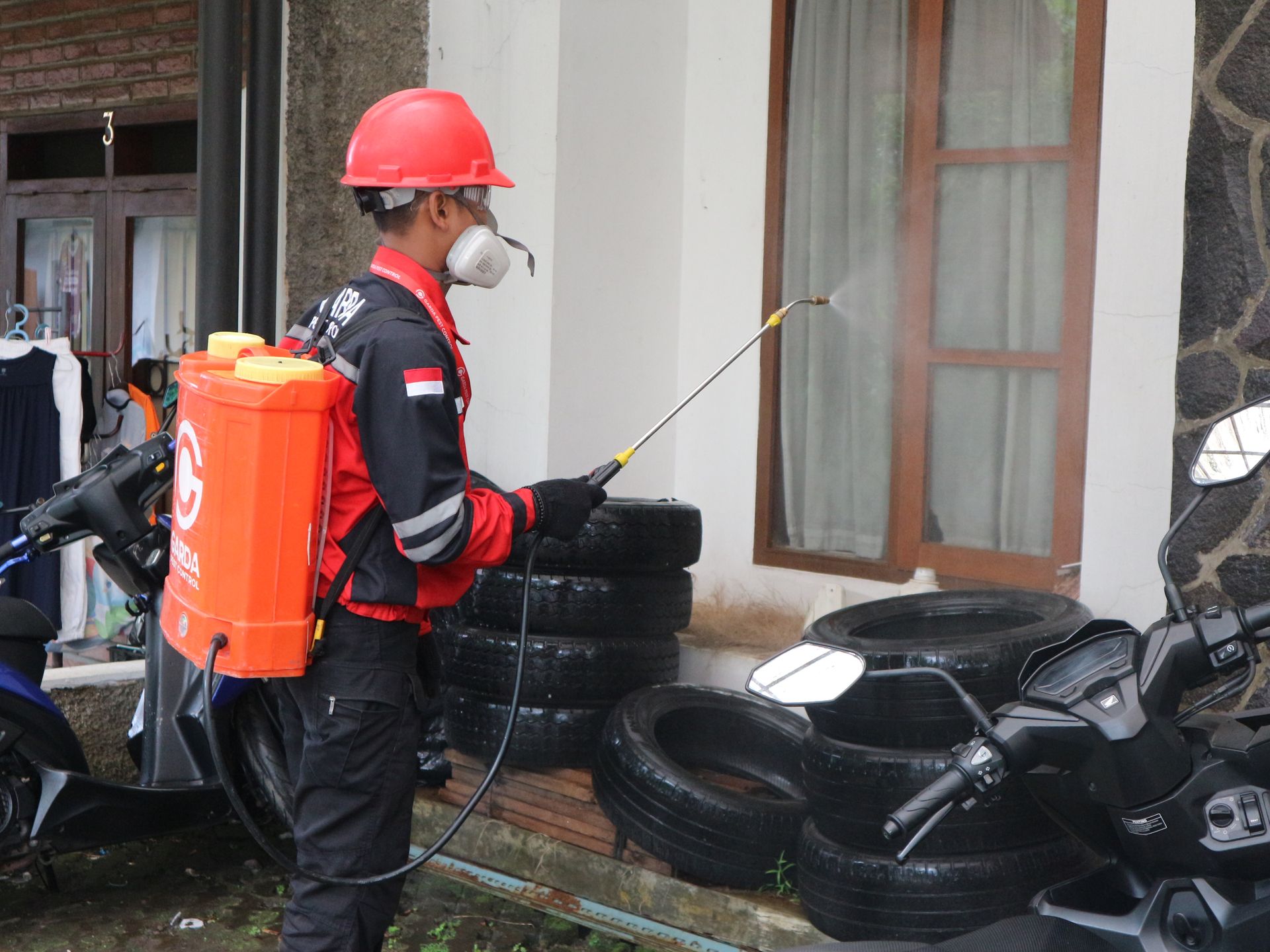
Pest management isn’t only the responsibility of facility managers or maintenance teams. Employees are usually the first people to notice unusual activity because they spend the most time inside the building. They may hear scratching behind walls, notice damaged packaging, see insect activity, or discover water leaks before anyone else.
That only helps if they know what to do next. Every commercial pest management plan should include simple employee training. Staff should understand:
- Common warning signs to watch for
- Areas where pest activity is most likely
- Who should receive reports
- Why small observations matter
Reporting should feel routine rather than embarrassing. Sometimes, one employee mentioning a strange smell or damaged box is enough to prevent a much larger infestation.
Review and Update Your Plan Regularly
A pest management plan shouldn’t sit inside a binder collecting dust. Businesses change over time. Inventory increases. Storage layouts shift. New equipment gets installed. Staff members come and go. Seasonal weather patterns also influence pest activity throughout the year.
Review your pest management procedures regularly to make sure they still match your operation. Questions worth asking include:
- Are inspections happening consistently?
- Have new pest risks appeared?
- Are employees reporting concerns quickly?
- Are sanitation procedures still working?
- Has the building developed new maintenance issues?
Making small adjustments throughout the year keeps the plan effective without requiring major overhauls.
Protect Your Reputation Before Problems Start
Customers rarely notice excellent pest management because that’s exactly how it should work. What they do notice are clean facilities, organized storage areas, professional employees, and businesses that clearly care about their environment. Those details quietly build trust every day. A proactive commercial pest management plan protects much more than buildings. It protects customer confidence, employee wellbeing, inventory, regulatory compliance, and business continuity. Instead of reacting to infestations after they’ve caused damage, businesses can focus on preventing them from happening in the first place.
The most successful companies don’t wait for pests to become visible before taking action. They invest in prevention, monitor consistently, train their teams, maintain their facilities, and know when to bring in professional help. That’s what keeps small pest problems from becoming costly business problems.