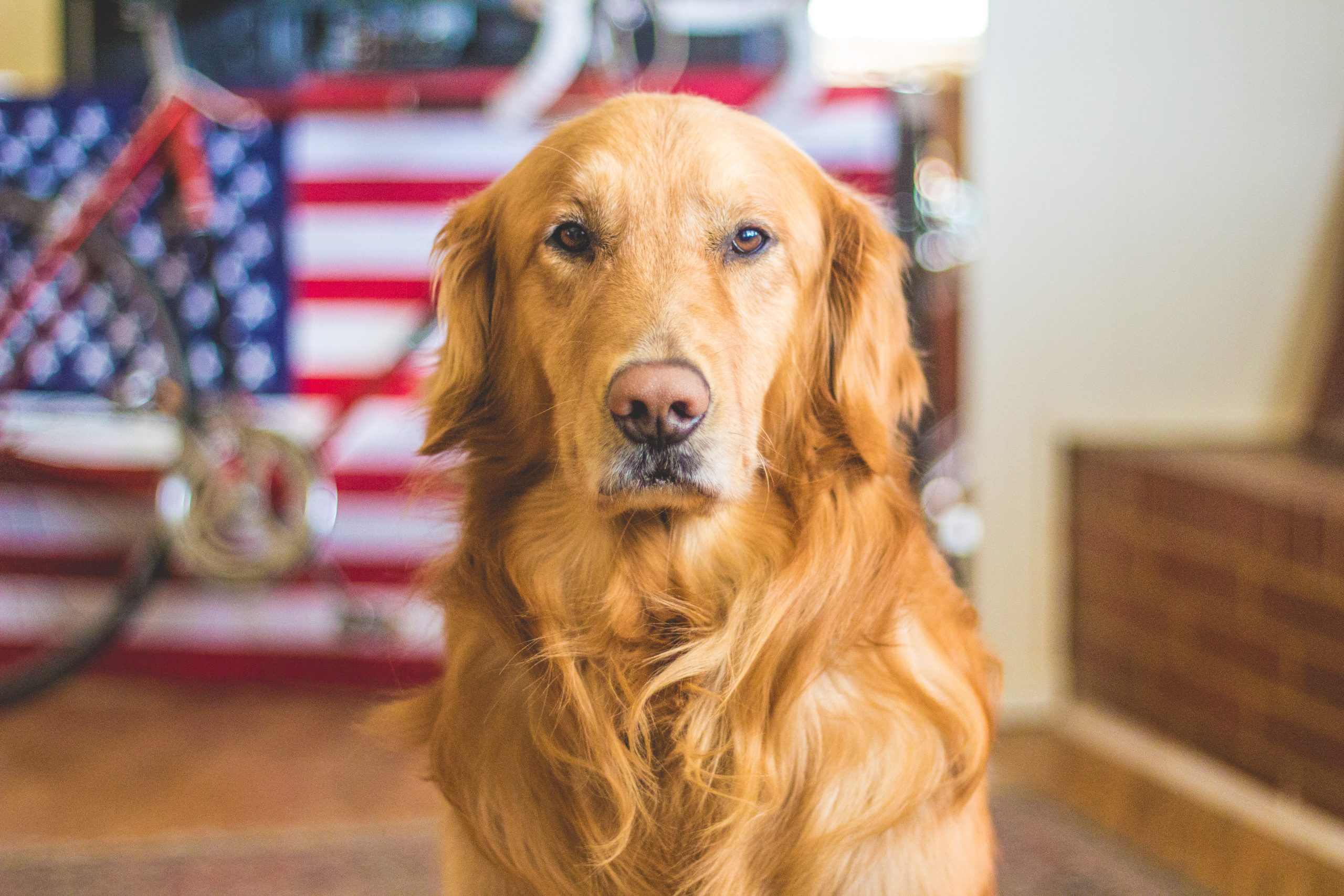

My dog Otis has supervised every shower I’ve taken for six years.
He’s not anxious.
He’s not hungry. He just files into the bathroom, flops onto the cold tile, and waits like a tiny foreman. If your dog does the same thing, you’ve probably wondered whether it’s love, habit, or a problem you should fix.
Here’s the short answer: it’s usually all three, in different proportions depending on your dog’s age, breed, and daily routine. The longer answer is more interesting, because shadowing behavior is one of the clearest windows you get into how your dog reads the house.
What “Velcro Dog” Actually Means
Trainers use “velcro dog” for a dog who stays within a few feet of one specific person, follows them between rooms, and often settles only when that person is in sight. The term is informal, but the behavior is real and well documented in ethology circles. Your dog isn’t being dramatic. They’re running a constant low-level calculation about where the safest, most rewarding part of the house is, and you keep coming out on top.
Now, if your vet has flagged a health concern and you’re looking for daily support between visits, some owners add a reishi mushroom supplement for dogs to their routine to help take the edge off a restless nervous system. That’s a complementary habit, not a replacement for your vet’s plan, and it’s worth being clear about the difference. Otis gets his vet visit every spring whether he likes it or not.
What matters more is reading the behavior accurately. Two dogs can look identical from the outside and be in completely different states inside.
Comfort, Habit, or Distress? Run This Three-Question Check
Before you decide your dog is clingy, look at the whole picture. A dog parked three feet from your chair while you work isn’t the same as a dog pacing, whining, or destroying doorframes when you leave. Those are different situations with different fixes.
Ask yourself these three questions, in order:
- Does the dog relax while following you? If they flop down, chew a toy, or doze off in each new room, that’s comfort-seeking. If they stand, pace, or stare at the door, that’s something closer to monitoring.
- Does the behavior change when you’re gone? A dog who settles fine when you leave the house is mostly choosing your company. A dog who panics is dealing with separation distress, which deserves a real plan.
- Has anything changed recently? A new baby, a move, a lost companion animal, or a shift in your work schedule can all spike following behavior for weeks.
I’d pick the second question as the one that matters most. Everything downstream depends on whether your dog can self-settle without you. According to the American Veterinary Medical Association, behavioral issues are one of the leading reasons pets are surrendered, which tells you how seriously this deserves to be taken rather than shrugged off.
Why Dogs Follow: The Real Drivers
Four forces explain most following behavior, and most dogs run on two or three at once.
Bonding and proximity seeking. Dogs are a domesticated social species. Their ancestors lived in groups where staying near others meant safety. Your dog inherited that wiring and pointed it at you.
Routine reinforcement. Every time you walk to the kitchen and your dog scores a dropped carrot, the following behavior gets paid. This is the quiet driver most owners miss. You’ve been training this without realizing it.
Resource access. You are the vending machine for walks, food, and the backyard. Following isn’t manipulation. It’s just accurate economics from your dog’s point of view.
Uncertainty. If your dog can’t predict the day, they track the one variable that seems to control everything. That’s you.
The Velcro Hour: A Simple Framework You Can Use Today
Here’s something I built after watching Otis glue himself to my ankles during every video call. I call it the Velcro Hour, and it’s a two part daily routine. First, you give your dog a predictable block of togetherness where they get your full attention, no phone, no laptop, no half-hearted ear scratching. Then you follow it with a short, calm period where you’re in the room but visibly occupied and boring.
The order matters. Attention first, then neutrality. Within about two weeks, most dogs start treating the second phase as downtime rather than a crisis, because they’ve learned the attention is coming back on schedule. You’re not training your dog to need you less. You’re training them to trust the rhythm.
Pair this with a fixed daily walk and a fixed meal time, and you’ve given your dog something they can count on. The American Kennel Club notes that dogs thrive on predictable routines, and that lines up with what I’ve seen in my own house. Chaos produces clinginess. Structure produces a dog who naps through your afternoon meeting.
Signs It’s Time to Change Something
Following is normal. These are the signals that you should adjust course:
- Your dog can’t eat, sleep, or play unless you’re within sight
- Pacing, drooling, or vocalizing when you move toward the door
- Destructive behavior or house soiling only when you’re away
- New following behavior after a life change that hasn’t faded in a month
If any of those sound familiar, loop in your vet before you try behavior plans on your own. A thorough exam can rule out discomfort or vision changes, which sometimes look exactly like clinginess in older dogs. The ASPCA also publishes guidance on separation related behavior that’s worth reading before you start experimenting.
Building a Calm Corner (and Testing It Honestly)
Pick a spot in the main living area and make it the best place in the house to be. A bed, a chew toy, a blanket that smells like you. Reward your dog for settling there on their own, not for following you to it. Then run what I call the door test: step into the next room for thirty seconds, return, and say nothing. No greeting, no fuss, just come back.
Over time, stretch those absences. Eighty seconds. Two minutes. The point isn’t to sneak away, because that builds suspicion. The point is to make your leaving and returning so unremarkable that it stops being an event.
One thing I’d push back on: don’t crate your dog every time you need a moment. A crate used as a punishment tool erodes its value fast. If your dog is already calm in there, great. If not, build the positive association first with short, rewarded sessions, and keep the door open until they choose to walk in.
Living With a Shadow
Most velcro dogs are not broken. They’re well bonded, mildly bored, or slightly under-exercised, and the fix is usually ordinary: more predictable days, more structured attention, and a bit of honest practice at being apart. Otis still follows me to the shower. But he also sleeps through a two hour grocery run now, and that’s the part I actually care about.
The next time your dog pads into the bathroom behind you, pause for a second. Are they settling, or are they standing guard? That answer tells you what to do next, and it’s always more useful than the label.