
For people living in North Texas, orthodontic care is often associated with achieving a straighter, more attractive smile.
Yet residents of communities such as Sherman, Flower Mound, and surrounding areas may be surprised to learn that tooth alignment can influence everyday activities, including cleaning teeth, chewing food, and maintaining oral comfort.
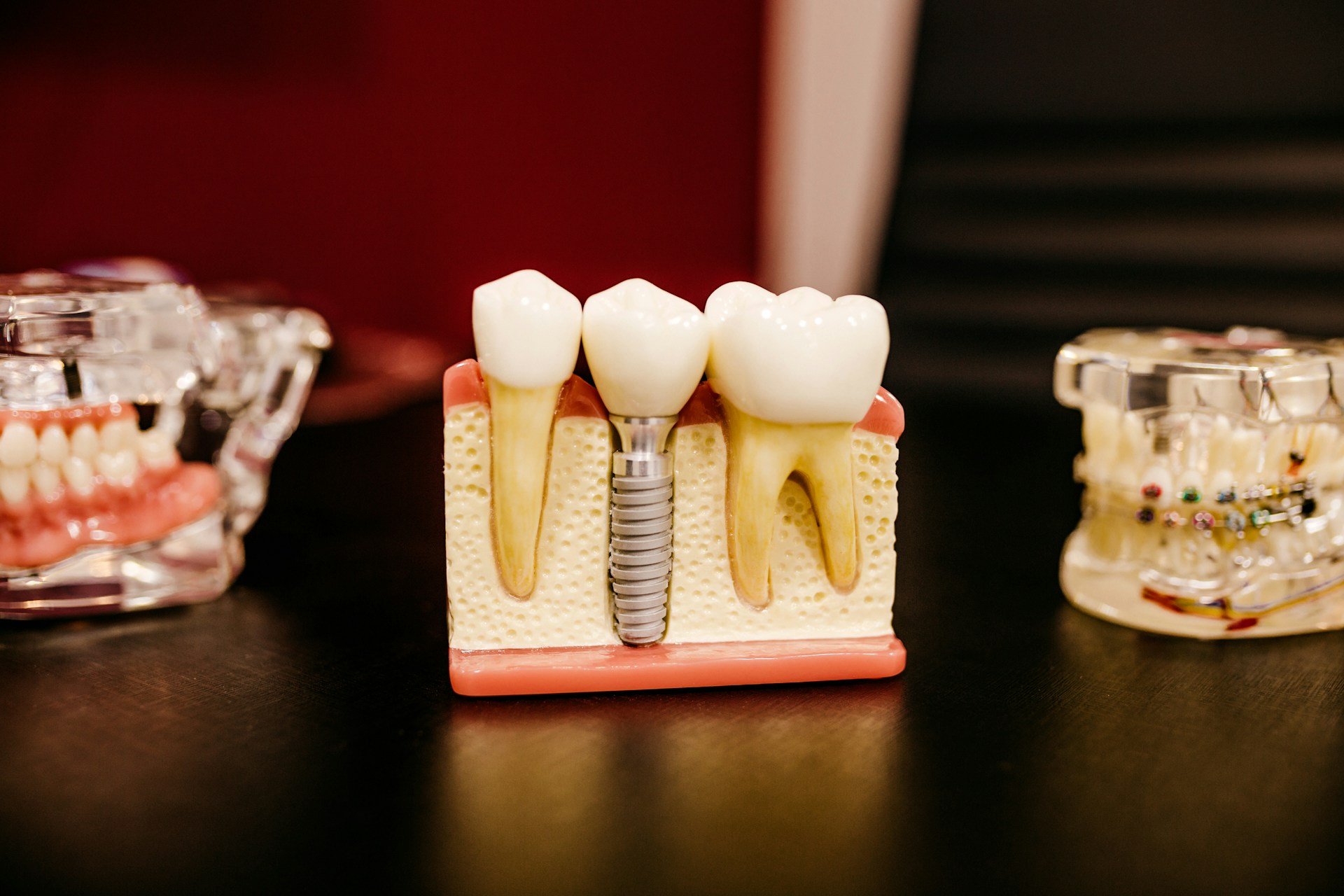
Crooked teeth and bite problems aren’t always purely cosmetic concerns. Certain alignment issues can make oral hygiene more difficult, contribute to uneven tooth wear, or interfere with normal chewing.
These problems may also affect confidence and daily comfort, although their severity varies considerably between individuals.
Understanding the relationship between orthodontic health and overall well-being can help North Texas families make more informed decisions about preventive care and treatment.
Why Straighter Teeth Can Make Oral Hygiene Easier
One important connection between orthodontic health and general well-being involves the ability to maintain clean teeth and healthy gums.
When teeth overlap or become crowded, toothbrush bristles and dental floss may struggle to reach certain surfaces. These difficult areas can accumulate plaque, increasing the likelihood of tooth decay and gum inflammation.
Correcting alignment can make cleaning more manageable, although orthodontic treatment does not replace brushing, flossing, or professional dental care.
For adults considering discreet treatment, researching the best Invisalign treatment in North Texas can be part of exploring whether clear aligners are appropriate for their particular alignment concerns.
Clear aligners are removable, allowing patients to brush and floss without navigating fixed brackets and wires. However, they must be worn consistently and cleaned properly.
An orthodontic evaluation helps determine whether aligners or another treatment approach would provide the most appropriate results.
How Misaligned Teeth Can Affect Gum Health
Healthy gums provide essential support for teeth, yet certain alignment problems can complicate daily gum care.
Crowded or rotated teeth may create areas where plaque accumulates near the gumline. Without effective cleaning, this buildup can contribute to gingivitis, an early form of gum disease.
Persistent inflammation may eventually progress to periodontitis, which can damage the tissues and bone supporting teeth.
Research has also identified associations between periodontal disease and several systemic conditions, including diabetes and cardiovascular disease. However, these relationships are complex, and straightening teeth has not been proven to prevent those illnesses.
Orthodontic treatment may improve access for cleaning, but gum health also depends on personal hygiene, professional maintenance, smoking habits, and underlying medical conditions.
Patients with existing gum disease may require periodontal treatment before beginning orthodontic care.
The Connection Between Your Bite and Comfortable Chewing
Chewing depends on coordinated movement between teeth, jaw muscles, and jaw joints.
When upper and lower teeth do not meet appropriately, some individuals experience difficulty biting certain foods or distributing chewing pressure comfortably.
Severe overbites, underbites, crossbites, and open bites may interfere with normal dental function.
For example, an anterior open bite can make biting into foods such as apples or sandwiches more challenging because the front teeth do not contact properly.
Orthodontic treatment can address many bite discrepancies, potentially improving function and reducing unwanted pressure on particular teeth.
However, not every imperfect bite causes health problems, and treatment recommendations should reflect actual clinical findings.
A comprehensive examination allows an orthodontist to evaluate tooth positioning, jaw relationships, and chewing function before recommending corrective treatment.
Can Poor Alignment Contribute to Tooth Wear?
Teeth naturally experience wear over time, but certain bite relationships can concentrate pressure on specific surfaces.
When teeth contact unevenly, some may experience excessive friction during normal jaw movement.
This can contribute to chipped edges, flattened chewing surfaces, or discomfort in susceptible individuals.
Teeth grinding, also called bruxism, can worsen these problems, although it has multiple contributing factors and is not necessarily caused by crooked teeth.
Orthodontic treatment may help improve contact patterns when a clinically significant bite discrepancy exists.
However, correcting alignment should not be presented as a guaranteed treatment for grinding.
Dentists may recommend additional measures, including protective appliances, depending on the patient’s symptoms and dental condition.
Early assessment can help identify wear patterns before extensive damage develops.
What Orthodontic Health Means for Jaw Comfort
Jaw discomfort can involve the temporomandibular joints, surrounding muscles, or both.
Some people experience clicking, tenderness, restricted movement, or pain while chewing. These symptoms are commonly associated with temporomandibular disorders, often called TMD.
Although bite alignment is sometimes discussed in relation to these conditions, research does not establish crooked teeth as a primary cause of most TMD cases.
Similarly, orthodontic treatment is not a reliable standalone solution for chronic jaw pain.
Patients experiencing persistent symptoms should receive a proper evaluation rather than assuming that braces or aligners will resolve the problem.
Treatment may involve conservative measures, physical therapy, behavioral adjustments, or other approaches based on the diagnosis.
Understanding this distinction prevents patients from pursuing unnecessary orthodontic procedures for symptoms requiring different care.
Why Dental Alignment Can Influence Speech
Speaking clearly requires coordination between the tongue, lips, teeth, and surrounding oral structures.
Certain dental irregularities can affect how air moves through the mouth or where the tongue contacts the teeth.
For example, significant gaps or particular bite discrepancies may contribute to difficulties producing specific sounds.
However, speech development is complex, and many articulation difficulties occur independently of dental alignment.
Orthodontic treatment may help when tooth positioning contributes directly to a speech problem, but it cannot address every underlying cause.
Children or adults experiencing persistent speech difficulties may benefit from evaluation by a speech-language pathologist.
When appropriate, orthodontists and speech specialists can coordinate treatment to address both structural and functional concerns.
This collaborative approach helps ensure that patients receive care suited to their actual needs.
The Relationship Between Dental Confidence and Emotional Well-Being
Oral health can influence more than physical comfort. The appearance of teeth may affect how individuals feel during conversations, photographs, or social activities.
Some people with noticeable dental irregularities become self-conscious about smiling or speaking openly.
For these individuals, orthodontic treatment may improve satisfaction with their appearance and support greater confidence.
However, emotional responses to dental appearance vary widely.
Many people with crooked teeth experience no significant psychological distress, while others have concerns that orthodontic treatment alone may not resolve.
Healthcare professionals should therefore avoid suggesting that perfectly aligned teeth are necessary for confidence or social acceptance.
The most appropriate treatment decisions consider personal preferences, clinical needs, realistic expectations, and overall well-being.
When Should North Texas Families Consider an Orthodontic Evaluation?
Orthodontic assessments can identify developing bite problems, crowding, spacing concerns, and other issues that may benefit from professional monitoring.
The American Association of Orthodontists recommends that children receive their first orthodontic evaluation by age seven, although treatment is not necessarily required at that age.
Adults can also seek evaluations when they notice shifting teeth, chewing difficulties, or alignment concerns.
For North Texas families, choosing an orthodontist should involve reviewing professional qualifications, treatment options, and the quality of individualized care.
Some patients may benefit from clear aligners, while others require traditional braces or more complex treatment.
A thorough consultation should explain the expected benefits, limitations, costs, and maintenance responsibilities.
Ultimately, orthodontic health is about more than creating an attractive smile. Appropriate care can support easier cleaning, comfortable dental function, and long-term oral health.
Understanding these connections allows patients to make decisions based on genuine health needs rather than appearance alone.