






Every person who walks into a medical consultation brings a different body, a different history, and a different set of hopes. Some people want to breathe more easily, see more clearly, or move without discomfort. Others want to feel more at ease with how they look in the mirror. Many want a little of both.
For people in San Diego, the best care begins with a plan built around the individual rather than a standard routine applied to everyone. Personalized treatment planning respects the fact that two people with the same concern may need very different approaches.
Where Function and Appearance Meet
Health concerns rarely fall neatly into separate boxes, and the line between how a body works and how it looks is often thin. Eyelids that droop with age can block part of a person’s vision, while a nose shaped by an old injury can affect breathing as much as appearance. Plastic surgery addresses both sides of these concerns, yet the right path depends on the person’s anatomy, health, and goals.
Careful planning with an experienced specialist helps each patient understand which options suit them and which do not. If you, too, want to learn more about plastic surgery San Diego has surgeons who explain each option clearly and answer every question before a decision is made. That kind of patient explanation helps people move forward with real confidence.
Why a One-Size-Fits-All Approach Falls Short
A treatment that works beautifully for one person can leave another disappointed. Skin thickness, bone structure, healing habits, age, and lifestyle all shape how the body responds to care. A plan that ignores these details may lead to results that look unnatural, fade too quickly, or fail to solve the original problem.
Personalized planning starts by treating each patient as a whole person. It considers medical history, current medications, past procedures, and long-term goals before any recommendation is made. This careful groundwork lowers the chance of complications and raises the chance that the outcome will feel right to the person living with it.
The Value of a Thorough First Conversation
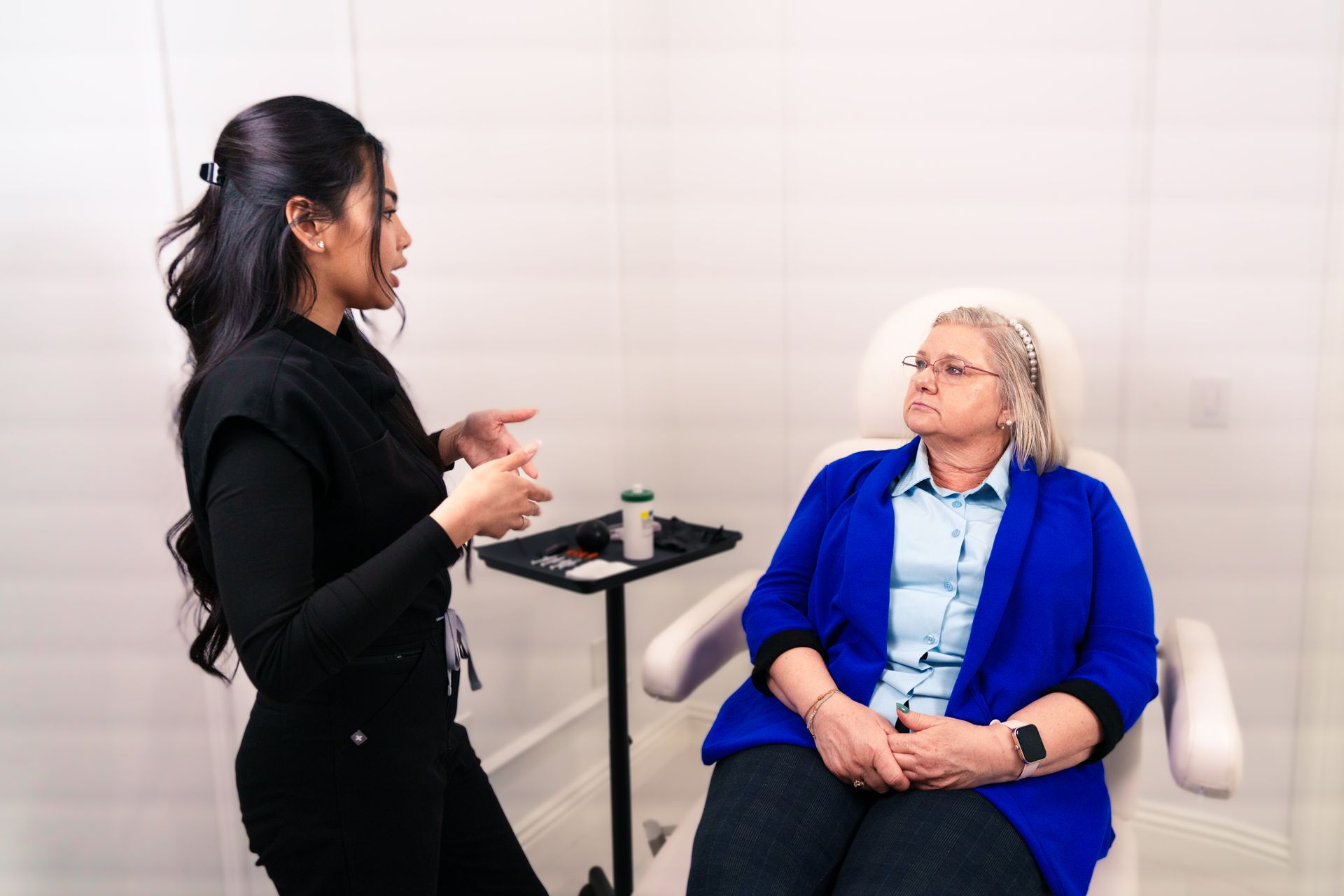
The first consultation sets the tone for everything that follows. A good provider listens first. Patients should describe what bothers them, how long it has been a concern, and what they hope will change.
This conversation also gives the provider a chance to look at the bigger picture. A person may come in focused on one feature, yet a closer look might show that a related area plays a larger role. Honest discussion at this stage helps patients set realistic expectations and avoid choices they may later regret.
Asking about the recovery period, possible risks, and the steps involved helps people decide with confidence rather than pressure.
Matching Options to Individual Goals
Modern care offers a wide range of choices, from gentle treatments with little downtime to more involved procedures that create lasting change. Personalized planning helps sort through these options so that each person receives only what truly serves their goals.
Someone who wants a subtle refresh may do well with a light treatment that softens fine lines or restores lost volume. Another person whose concern affects comfort or daily function may benefit from a more complete approach.
The key is that the plan grows from the patient’s needs, not from a menu of popular services. When the treatment matches the goal, the outcome tends to look natural and feel satisfying.
Considering Health, Timing, and Recovery
A personalized plan looks beyond the treatment itself. Overall health plays a major role in how safely and smoothly a person heals. Conditions such as high blood pressure, smoking habits, and recent changes in weight can all affect recovery, so they need to be part of the discussion from the start.
Timing matters too. Work schedules, family responsibilities, travel plans, and seasonal activities can influence when a person should move forward. Planning around these factors gives the body the rest it needs and helps patients return to normal life without unnecessary stress.
Recovery guidance should also be tailored. Clear instructions on rest, activity, wound care, and follow-up visits help patients heal well and protect their results over time.
The Emotional Side of Treatment Decisions
Concerns about appearance and function are rarely only physical. A feature that has bothered someone for years can affect confidence, social comfort, and even how they approach work or relationships. Personalized planning recognizes this emotional weight and treats it with care.
A supportive provider helps patients explore their motivations and make sure the decision comes from a healthy place. The aim is for the person to feel informed, respected, and ready. When patients feel heard, they tend to approach their treatment with less anxiety and more trust.
Building a Long-Term Relationship With Care
Personalized planning does not end on the day of treatment. Bodies continue to change with age, sun exposure, and lifestyle, so ongoing care helps results last and adapts to new needs as they appear.
Follow-up visits let the provider track healing, answer new questions, and suggest small adjustments. Over time, this relationship builds a deeper understanding of the patient’s preferences and history, which leads to even better decisions in the future.
Patients also benefit from simple habits at home. Protecting the skin from the sun, staying hydrated, eating well, and keeping a steady sleep routine all support healthy, lasting results.
Making Informed Choices With Confidence
The most rewarding outcomes come from decisions that patients fully understand. Personalized treatment planning gives people the information, time, and support they need to choose what is right for them.
By focusing on the individual, this approach respects both the practical and personal sides of every concern. Whether the goal is easier breathing, clearer vision, greater comfort, or renewed confidence, a plan shaped around the person offers the strongest foundation for results that feel natural and lasting. Careful planning is a sound investment in long-term health and well-being.