






For residents of Pittsburgh, Pennsylvania, maintaining healthy skin can be challenging as the seasons change. Cold winters, indoor heating, humid summers, and varying levels of sun exposure can affect skin hydration and comfort. Someone may notice increased dryness during winter, only to struggle with excess oil or irritation when warmer weather arrives.
However, environmental conditions are only part of the picture. Genetics, collagen changes, facial movements, and accumulated sun exposure all influence how skin ages. Understanding these differences helps people choose skincare products and treatments that address their actual concerns.
A thoughtful anti-aging routine should protect skin health, manage visible changes, and avoid unnecessary treatments. The objective is not to eliminate every sign of aging but to maintain healthy, comfortable skin while making informed decisions about aesthetic care.
Understanding When Professional Skin Treatments Become Useful
Daily skincare can improve hydration, protect against environmental damage, and address certain concerns involving texture or pigmentation. However, topical products have limitations, particularly when wrinkles result from repeated muscle movement or noticeable changes in facial volume.
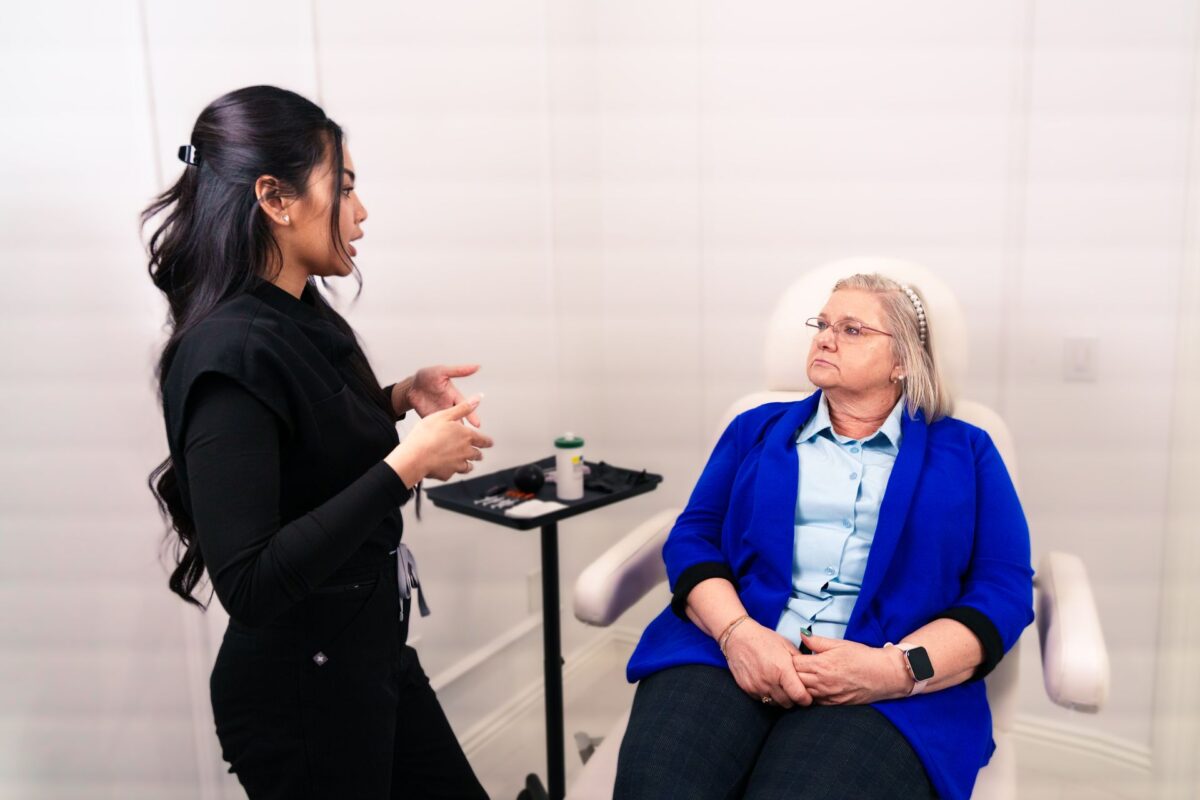
Professional aesthetic treatments may offer additional options when home care no longer addresses a specific concern. For people exploring these services, if you’re looking for a med spa Pittsburgh offers some great options for discussing treatments such as neuromodulator injections, microneedling, chemical peels, and laser resurfacing.
These procedures work differently and should be selected according to individual skin characteristics. For example, neuromodulators temporarily reduce activity in targeted facial muscles, while microneedling is used to improve certain textural concerns.
A qualified provider should evaluate medical history, skin condition, treatment expectations, and potential complications before recommending a procedure.
Professional treatments work best when they complement consistent skincare rather than replace it.
Why Your Skin Barrier Matters More Than Expensive Products
The skin barrier helps retain moisture and protects against external irritants. When this protective function becomes compromised, skin may feel tight, rough, sensitive, or unusually dry.
Harsh cleansers, excessive exfoliation, and frequent use of strong active ingredients can contribute to irritation. A practical routine begins with gentle cleansing and moisturizing.
Ingredients such as ceramides, glycerin, and hyaluronic acid can help maintain hydration and support the skin’s protective function. People with sensitive skin should introduce new products gradually instead of combining several treatments immediately.
Persistent redness, burning, or scaling may indicate an underlying skin condition requiring professional assessment.
A healthy skin barrier does not prevent natural aging, but it can improve comfort and reduce the appearance of dehydration-related fine lines.
How Sun Exposure Changes Skin Over Time
Ultraviolet radiation is a major contributor to premature skin aging.
Repeated exposure can damage collagen and elastin, leading to wrinkles, uneven pigmentation, and changes in skin texture. These effects accumulate gradually, making prevention important even before visible changes develop.
Broad-spectrum sunscreen with an SPF of at least 30 provides a useful foundation for daily protection.
People spending extended periods outdoors should reapply sunscreen according to product instructions and use protective clothing when appropriate. Cloudy weather does not eliminate ultraviolet exposure, so sun protection remains relevant throughout the year.
Sunscreen also supports the results of certain professional treatments by helping prevent additional sun damage. Although skincare products may improve some visible effects of photoaging, preventing further damage is generally easier than correcting established changes.
Choosing Anti-Aging Ingredients With Realistic Expectations
The skincare market contains countless products promising firmer, smoother, and younger-looking skin. However, not every ingredient has equally strong evidence supporting its effectiveness.
Retinoids are among the better-studied topical treatments for certain signs of photoaging. With consistent use, appropriate formulations may improve fine lines and uneven skin texture. However, retinoids can cause irritation, especially when introduced too quickly. They should generally be avoided during pregnancy.
Vitamin C products may provide antioxidant benefits and help improve some pigmentation concerns, depending on their formulation.
Niacinamide can support the skin barrier and may help improve uneven skin tone. Moisturizers also remain valuable because well-hydrated skin often appears smoother. Rather than purchasing numerous products simultaneously, identify specific concerns and choose ingredients accordingly.
Consistency and tolerability are more important than following every emerging skincare trend.
Understanding Why Different Wrinkles Need Different Treatments
Wrinkles develop through several biological processes, which explains why one treatment cannot address every concern. Dynamic wrinkles appear during facial expressions such as smiling, frowning, or squinting. Over time, some of these lines become visible even when facial muscles are relaxed.
Other wrinkles develop through changes in collagen, skin elasticity, and underlying facial structures. Neuromodulator injections may temporarily soften selected expression lines by reducing muscle activity.
Dermal fillers may address certain volume-related concerns, while resurfacing procedures can improve selected changes in texture. However, injectable treatments carry risks, including bruising, swelling, unwanted asymmetry, and less common serious complications.
Treatment selection should follow an individualized assessment rather than assumptions based on age alone.
Why Sleep, Nutrition, and Lifestyle Influence Skin Health
Healthy skin depends on more than topical treatments.
Adequate nutrition supports normal tissue maintenance, while sleep contributes to the body’s recovery processes.
Protein provides amino acids required for tissue function, and vitamin C supports normal collagen formation.
A varied diet containing vegetables, fruits, whole grains, and healthy fats helps provide essential nutrients.
However, no particular food or supplement can completely prevent wrinkles.
Adults generally need at least seven hours of sleep nightly, although individual requirements vary.
Smoking can accelerate visible skin aging and interfere with normal tissue healing.
Regular physical activity and stress management also support general health.
These habits cannot stop biological aging, but they contribute to a healthier foundation for maintaining skin over time.
Avoiding Common Mistakes With Professional Skin Rejuvenation
Professional treatments require careful planning because more intensive procedures do not automatically produce better results.
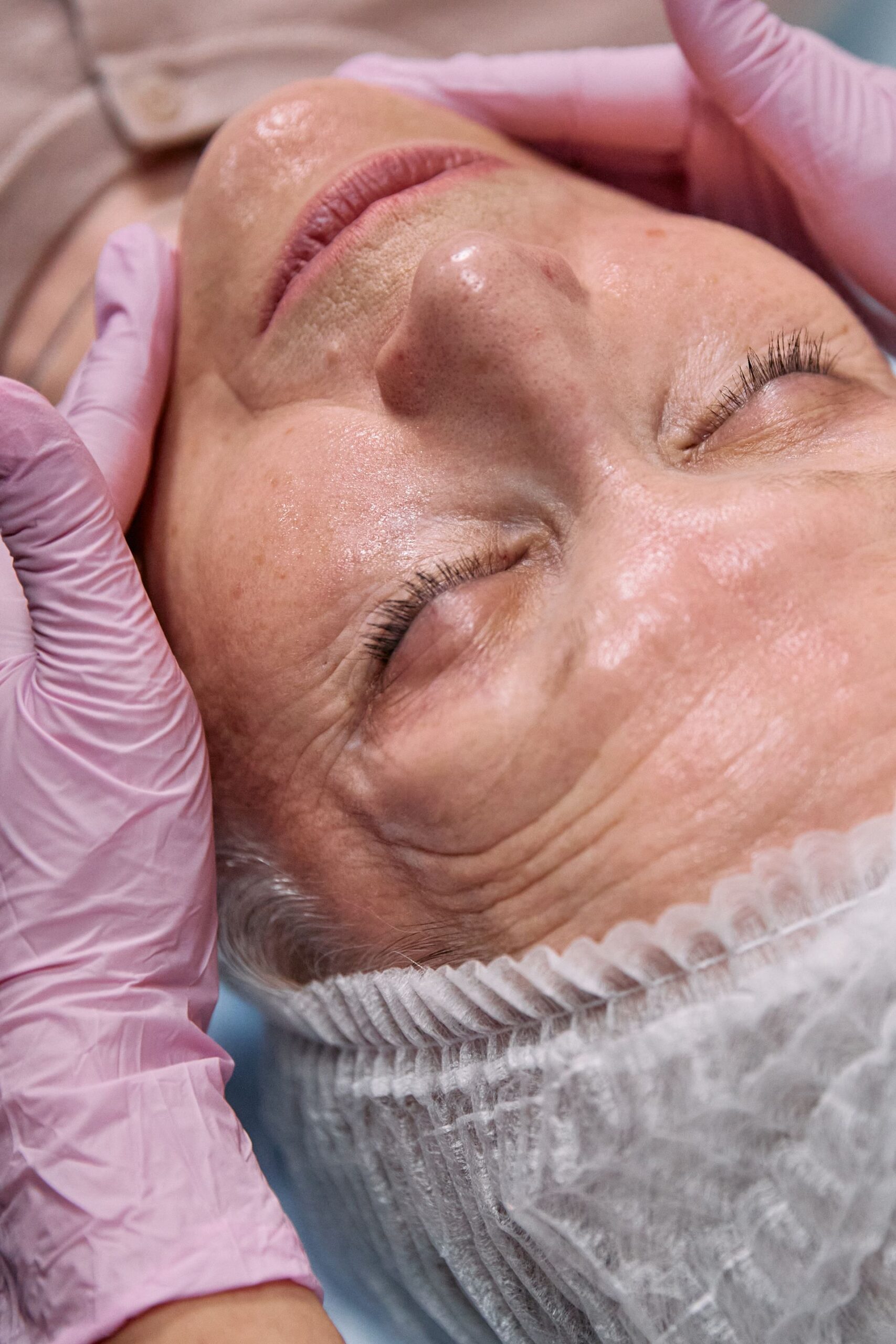
Chemical peels, microneedling, and laser treatments differ in their mechanisms, recovery requirements, and potential complications. For example, deeper resurfacing procedures may require more recovery time than superficial treatments.
Skin tone, sensitivity, medical history, and previous procedures can also influence treatment suitability. Patients should ask about expected improvements, possible side effects, and aftercare requirements. Certain procedures carry risks of infection, scarring, or pigmentation changes, particularly when performed incorrectly.
Choosing a qualified provider and following appropriate aftercare instructions are essential. It is equally important to understand that results vary and some concerns may require multiple sessions.
A cautious, individualized treatment plan is generally preferable to pursuing aggressive procedures without clear medical justification.
Creating an Anti-Aging Routine That Evolves With Your Skin
Skin needs change throughout adulthood, so an effective routine should remain flexible. Someone experiencing occasional dryness may benefit from a simple moisturizer, while another person with persistent pigmentation concerns may require additional treatment.
Begin with three essentials: gentle cleansing, moisturizing, and daily sun protection. Additional products should address clearly identified concerns rather than follow advertising trends.
Evaluate how the skin responds before introducing stronger ingredients or scheduling professional procedures. Periodic dermatological assessments can also help identify concerns that require medical attention.
New or changing skin lesions should never be dismissed as normal aging. Ultimately, successful anti-aging care involves balancing prevention, realistic expectations, and appropriate treatment.
Healthy skin does not require a complicated routine or constant cosmetic intervention. Consistent protection, thoughtful product selection, and informed professional guidance can help maintain skin health and confidence throughout adulthood.