

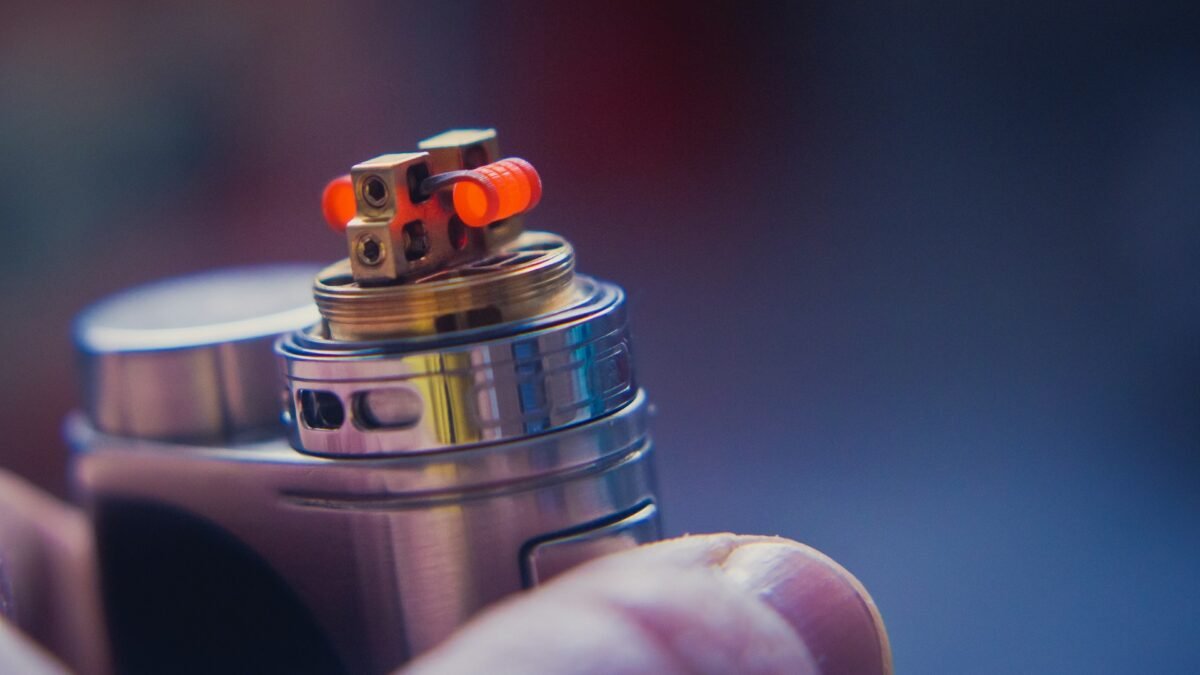

Vaping devices are common portable electronic items – People often focus more on using these devices than on how to discard them – these items contain batteries, metals and chemical residues that are dangerous if handled incorrectly after they stop working.
If individuals place them in standard household trash, these items add to global electronic waste issues.
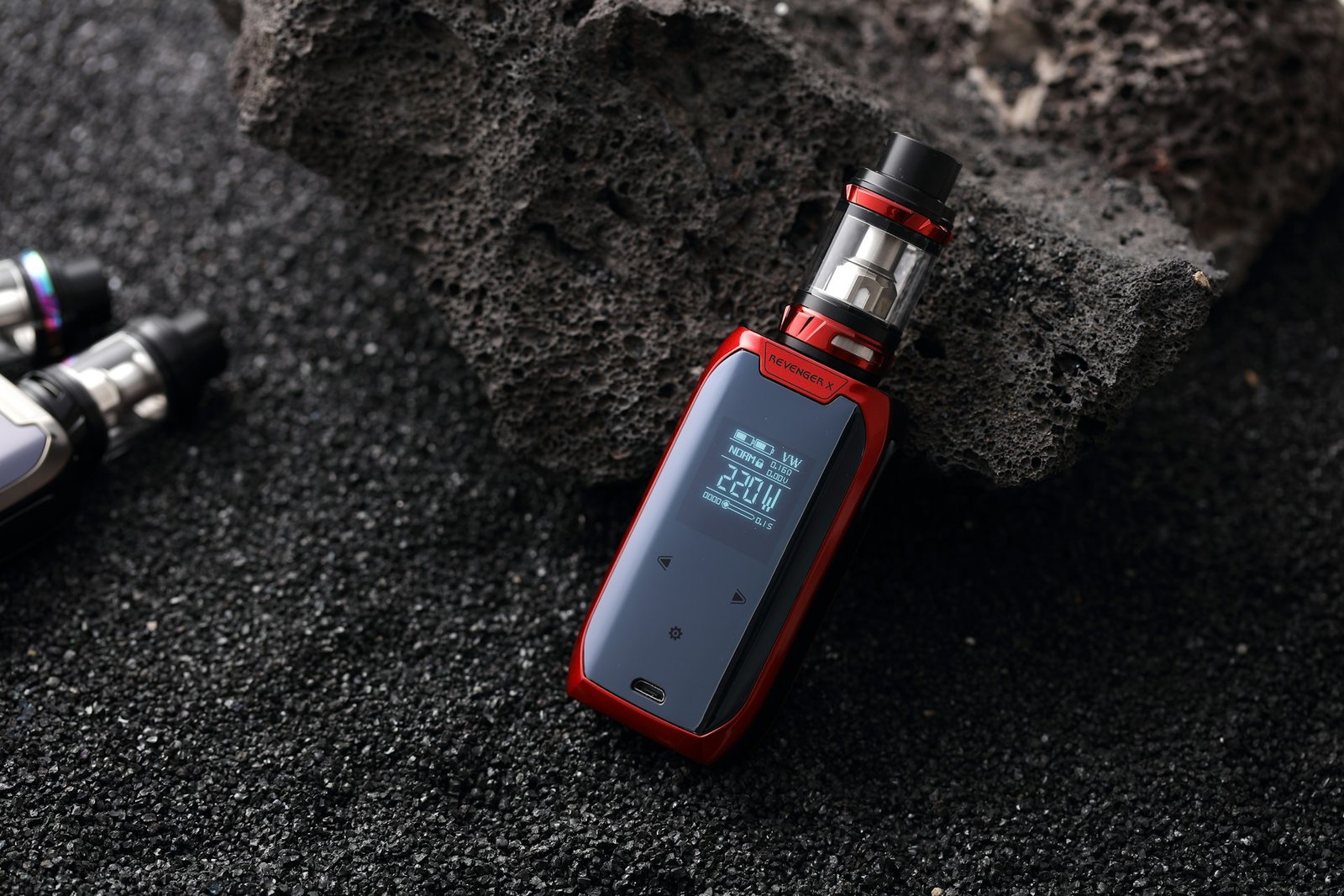
Learning how to discard the items correctly helps protect the environment and improves how society manages resources.
Environmental Impact of Improper Disposal
Vaping devices often go to landfills when people discard them incorrectly. The materials in the devices then decompose in ways that cause damage. Metals plus plastics stay in the environment for many years and create lasting pollution – this buildup of waste fills landfills quickly and makes waste management systems less effective.
Chemicals also leak into soil but also water systems when disposal is incorrect. Each individual device is small but the total effect of many devices creates a large amount of environmental stress – these leaks can harm ecosystems and make it harder for waste facilities to stay clean.
Consumer Responsibility and Disposal Practices
People who use vaping products are responsible for the correct disposal of their devices. Many areas provide collection centers for electronic waste where people can leave small electronics for treatment – these facilities are important because they protect the environment from pollution and allow for efficient recycling.
Information about waste management is necessary because many types of these products are available for purchase, like the best disposable vape Canada. All electronics contain materials that are hazardous if people do not handle them correctly, regardless of the size of the item. Using the established collection systems is a way to protect the natural world and ensure that waste management is safe.
Chemical and Material Concerns
Electronic parts and leftover substances inside vaping devices are complex – these internal parts include plastics, metal coils as well as small amounts of chemicals that are harmful to the environment. Contamination occurs when workers do not process these materials in the correct way.
Standard waste systems are not able to process vaping devices easily because of the mix of materials. Recycling centers must use specialized tools to separate metals that are reusable from parts that are not. Incorrect disposal makes recycling less efficient and makes the process more expensive.
Battery Safety and Fire Risk
Lithium-based batteries are inside many vaping devices – These batteries are dangerous even after the device is empty. If waste systems crush or damage them, these batteries can become hot or unstable – this creates a risk of fire during transport or at recycling centers.
Hazards are often not visible when a person throws a device away. Waste facilities have reported fires caused by discarded electronics, which result in broken equipment and work delays. Using the correct disposal methods reduces the dangers or keeps workers and buildings safe.
Recycling Systems and Recovery
Recycling programs are helpful because they collect valuable materials from electronics. Metals like copper and aluminum are reusable if they are separate from other parts. Reusing these metals means there is less need to mine new materials from the earth.
Success in recovery is only possible if devices go into the right waste streams. Valuable materials are lost or become dirty when people mix vaping devices with regular trash. Correct collection systems allow facilities to process devices quickly next to recover more parts that are useful.
The Function of Regulations & Industry Standards
Rules are important because they ensure that people manage vaping devices responsibly after use. Many governments classify these items as electronic waste. These products are subject to specific disposal requirements instead of being placed in regular household trash – this classification is helpful because it directs consumers and waste managers toward methods that are safe and structured.
Standards within the industry also affect how companies design devices. Some manufacturers are required to make products easier to recycle – using fewer types of mixed materials or – using clear labels on parts – these actions are beneficial because they make processing at recycling facilities more efficient. The practices lower the negative effects that discarded electronics have on the environment.
Conclusion
Properly discarding vaping devices reduces damage to the environment and supports systems for electronic waste – these products contain materials that require specific processing. If people discard them incorrectly, the items can cause pollution, make recycling less efficient plus create safety risks. Responsible disposal ensures that specialists recover valuable resources and manage hazardous parts safely.
Because the variety but also use of electronic products are increasing, it is important to understand how to discard them. Personal devices are small but they create a large effect on waste systems over time. Consumers strengthen recycling efforts and lower the burden on waste infrastructure when they use designated collection points as well as follow local rules.