


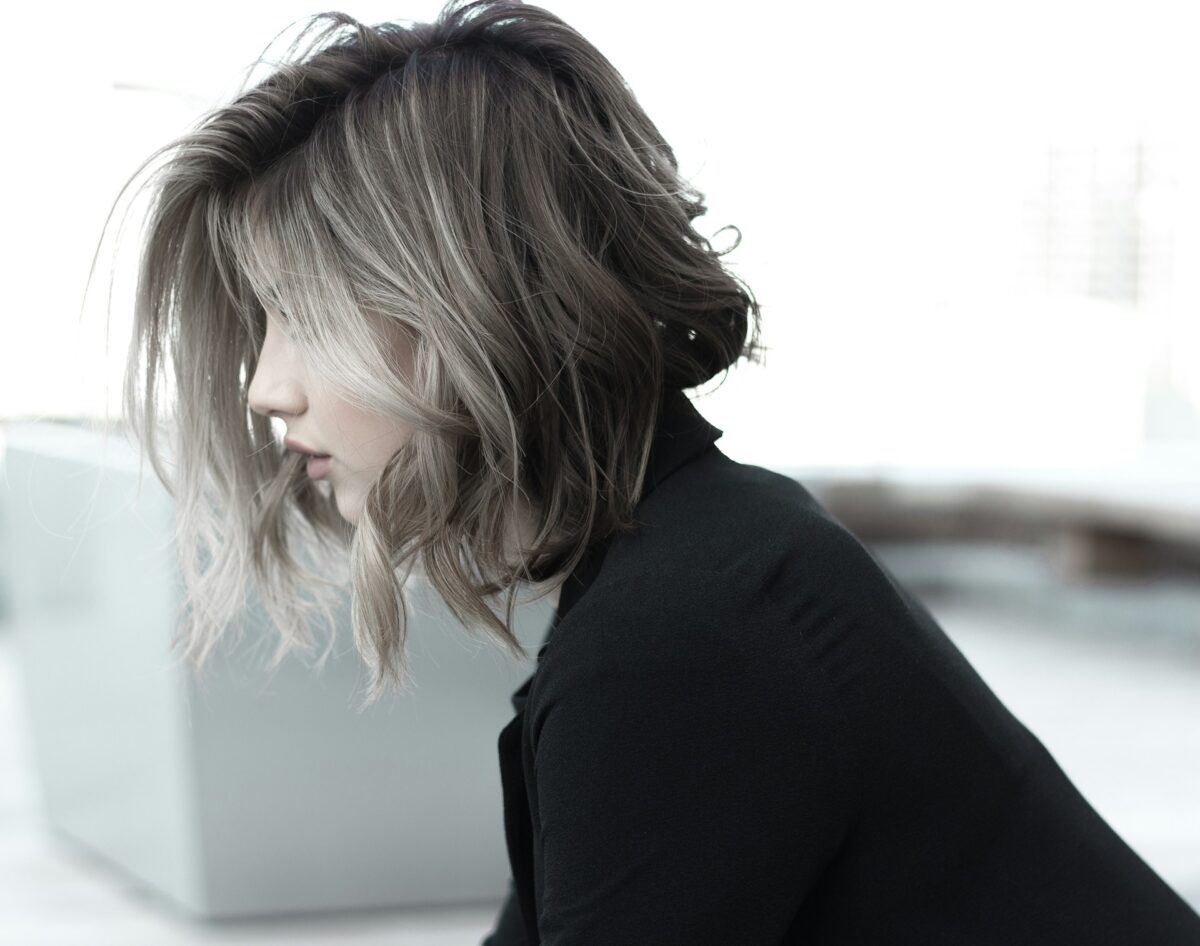

A braided bob has always been a practical choice for anyone who loves protective styling without the weight of waist-length braids. It sits comfortably around the jawline or shoulders, frames the face beautifully, and works just as well with casual outfits as it does with something more dressed up.
But there’s one small change that can give this familiar hairstyle a completely different feel: loose curls.
Instead of finishing every braid with a straight or sealed end, adding soft curls creates movement and gives the bob a more relaxed shape. The contrast between neatly braided sections and flowing curls also makes the hairstyle look more dimensional, particularly when the curls are placed at different lengths.
The result is a braided bob that feels less structured and a little more playful, without losing the clean silhouette that makes the original style so appealing.
Why Loose Curls Work So Well With Short Braids
Long braids have plenty of length to create movement naturally. A shorter braided bob, however, tends to hold a more defined shape, especially when the braids are similar in thickness and finish at the same point.
Adding loose curls changes how the hairstyle falls around the face.
The braided sections provide structure, while the curls introduce softer lines around the cheeks, jaw and shoulders. This contrast can make a blunt bob appear less rigid without requiring a completely different haircut or braiding pattern.
Curls can also create the impression of fullness. When individual curled ends overlap, they fill some of the spaces between the braids and make the overall hairstyle appear more textured.
That doesn’t mean adding as many curls as possible. Too much volume around the ends can make a short bob look wider than intended, particularly when the braids already have considerable thickness.
The most flattering results usually come from balancing the weight of the braids with the softness of the curls.
Choosing the Right Bob Length for Your Curls
The length of a braided bob affects how the curls will frame your face, so it’s worth deciding on the finished silhouette before the braiding begins.
A chin-length braided bob creates a strong, distinctive outline. When loose curls are added near the ends, they can soften the jawline and introduce movement around the face. This works particularly well when the curls are relatively small and carefully distributed.
A bob that falls just below the chin offers a little more flexibility. The extra length gives the curls room to hang naturally without making the hairstyle appear too short once the hair has been curled.
Shoulder-length braided bobs are another option for anyone who prefers a slightly more relaxed appearance. They allow the curled sections to move more freely and can work particularly well with a side part or face-framing pieces.
Remember that curly hair doesn’t always hang at its full stretched length. Depending on the curl pattern, the finished hairstyle may appear shorter than the original braiding length.
Discuss the desired result with your braider before installation, especially if you want the bob to finish at a precise point around your jaw or shoulders.
How Curl Placement Changes the Entire Hairstyle
One of the most interesting things about a braided bob with curls is that the curls don’t all need to begin at the same point.
If every braid finishes with an identical curled section, the result can look neat and symmetrical. That’s a good choice for anyone who wants a polished hairstyle with a little extra softness.
For a more relaxed appearance, try varying the curl lengths.
Some braids can remain neatly defined almost to the ends, while others transition into loose curls slightly higher up. This creates layers of texture without necessarily cutting the hair into different lengths.
A few curled pieces around the face can also make a difference. They soften the front of the hairstyle and help the bob move naturally when you turn your head.
However, curl placement should be planned carefully. Concentrating too many curls around the cheeks can create unnecessary width, while leaving the entire front heavily braided may make the style appear more structured than intended.
A good braider will consider the face shape, parting direction and overall volume before deciding where the curls should begin.
Why Hair Texture Matters for Curly Braided Ends
The finished appearance of a braided bob depends partly on the hair used to create it.
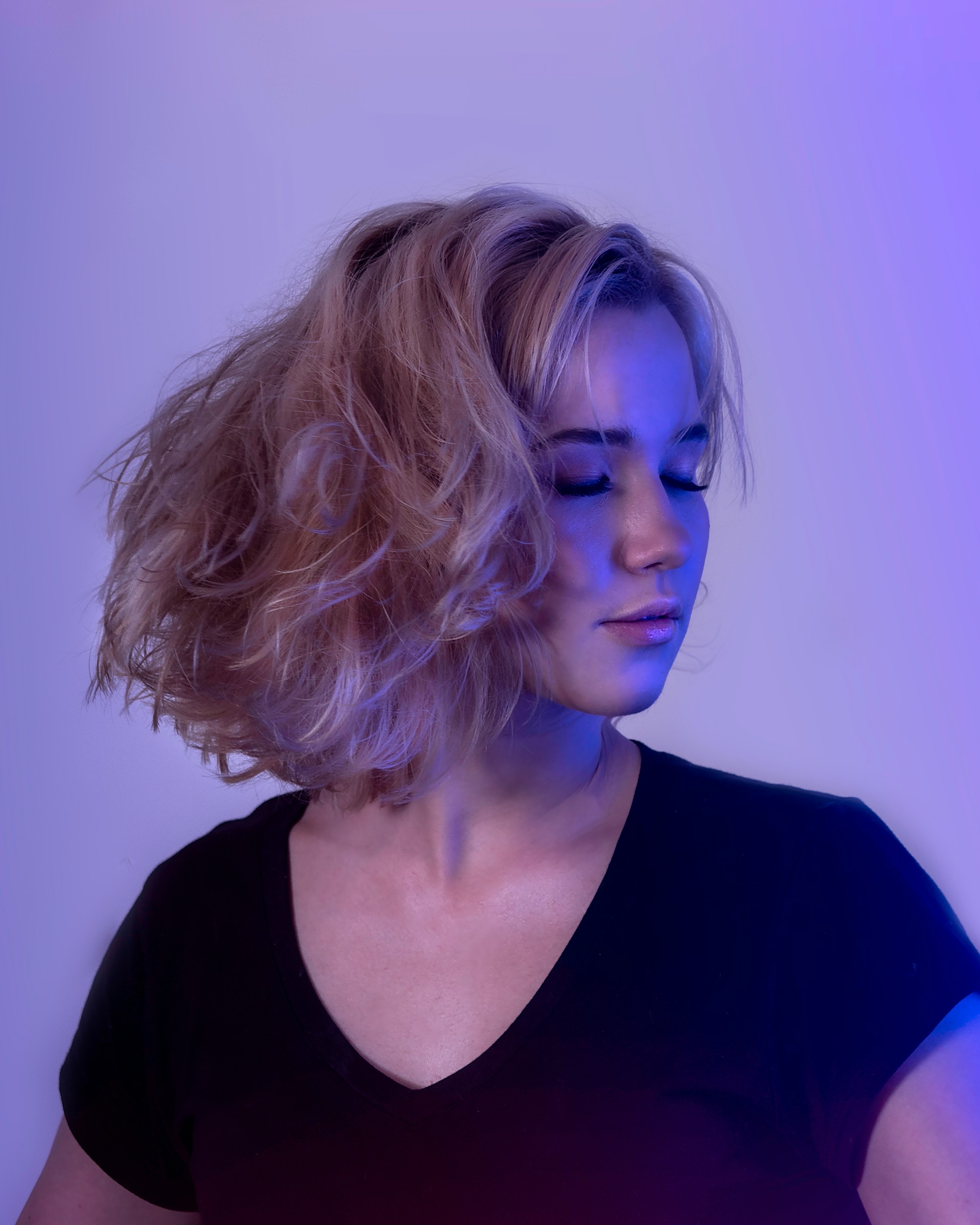
Braiding hair needs to provide enough structure for the individual braids, while the loose sections should have a texture that suits the intended curl pattern. When those two elements don’t work well together, the hairstyle can appear uneven or become difficult to maintain.
For styles that incorporate loose human hair, bulk braiding human hair can be a useful option because it allows the braider to work with unwefted hair and integrate curly sections into the hairstyle.
Human hair can provide a softer, more flexible finish, although the results depend on the quality, texture and preparation of the hair. Different curl patterns also require different levels of maintenance, so it’s important to choose one that suits your daily routine.
Loose waves can create a relaxed appearance, while tighter curls add more definition and volume. If you’re aiming for a natural-looking braided bob, consider a curl pattern that complements the size and texture of the braids rather than creating an overly dramatic contrast.
It’s also worth asking your stylist how the loose hair will be secured. The installation method influences how well the curls stay in place and how easily the hairstyle can be maintained.
Making a Curly Braided Bob Look More Natural
A natural-looking braided bob isn’t necessarily the one with the smallest braids or the most elaborate curls. It’s usually the one where the proportions feel balanced.
Start with the braid size.
Very thick braids can create a bold, chunky appearance, which may be exactly what you’re looking for. But if your goal is a softer bob with flowing curls, medium or smaller braids often make it easier to distribute the curled sections evenly.
The parting pattern matters as well. A clean middle part gives the hairstyle a symmetrical finish, while a side part can introduce movement and make the curls fall more heavily on one side.
Avoid creating excessive tension around the hairline. Braids that are installed too tightly can cause discomfort and place unnecessary stress on the natural hair, regardless of how attractive the finished hairstyle looks.
Colour can also influence the result. Matching the extensions closely to your natural hair creates a more understated appearance, while subtle brown or honey-toned highlights can make the curls stand out.
For a first attempt, keeping the braid colour and curl texture relatively consistent is often the easiest way to achieve a cohesive finish.
Keeping the Curls Soft Without Losing Their Shape
The loose curls are often the first part of a curly braided bob to show signs of wear.
Unlike the braided sections, which generally remain more structured, the curls can become tangled, frizzy or flattened through everyday movement and friction against clothing.
A simple maintenance routine can help preserve their appearance.
Separate the curls gently with your fingers when needed, rather than repeatedly brushing through them. If the loose sections are made from human hair, a small amount of suitable leave-in conditioner or lightweight curl product may help manage dryness and frizz.
Avoid applying heavy oils throughout the hairstyle. Excess product can make the curls look weighed down and may lead to buildup around the braided sections.
At night, use a satin or silk bonnet, or sleep on a smooth pillowcase to reduce friction. If the curls are particularly long or delicate, loosely gathering them before bed may help prevent tangling.
Scalp care shouldn’t be forgotten either. Keep the scalp clean using methods appropriate for your braids, and avoid leaving the style installed for longer than your stylist recommends.
The aim is to maintain the movement and softness of the curls without turning daily styling into a complicated process.
Finding Hair That Suits Your Braiding Style
A curly braided bob may look effortless once it’s finished, but the quality of the result depends on several decisions made before installation.
The hair needs to suit the braid size, the desired curl pattern and the amount of volume you want around the face. It’s also important to consider how the extensions will feel when worn for several weeks.
Beeos offers human hair products for different styling preferences, making it a brand worth exploring when comparing hair options for braided looks and other protective hairstyles.
Before purchasing, check whether a specific product is suitable for the braiding method you plan to use. Hair sold for wigs, wefts or other extensions isn’t automatically interchangeable with loose bulk hair intended for braiding.
Your stylist can also help estimate how much hair you’ll need based on the length of the bob, the number of braids and how many loose curls you want to incorporate.
Choosing the appropriate hair from the beginning makes it easier to achieve a balanced hairstyle without adding unnecessary weight or volume.
A Small Change That Gives a Classic Bob New Life
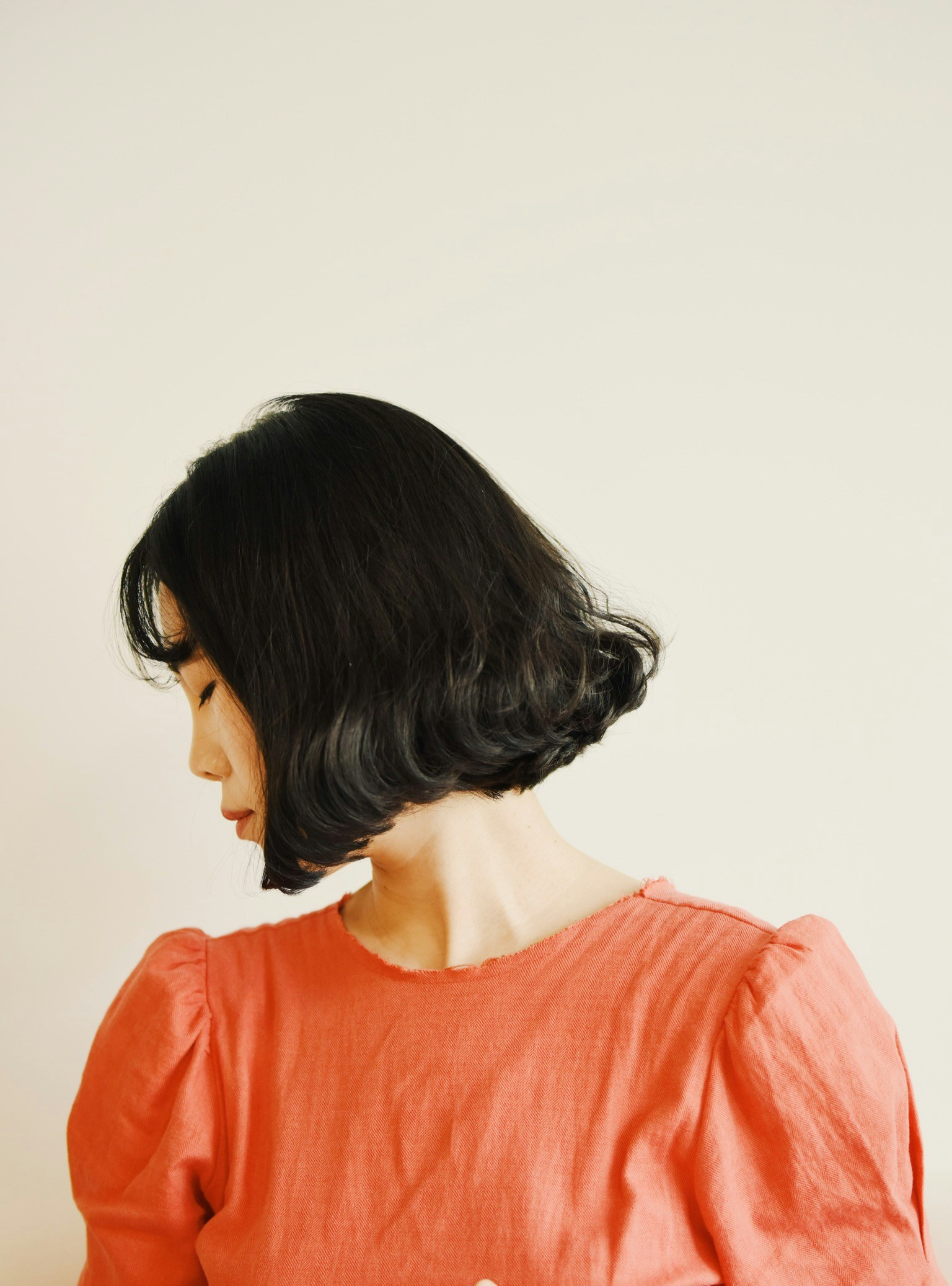
The appeal of a braided bob is its simplicity. It offers the structure of braids in a shorter, manageable length that can complement a wide range of personal styles.
Loose curls build on that foundation rather than replacing it.
A few carefully placed curls can soften a sharp outline, create movement around the face and give the hairstyle a fuller appearance. Changing the curl size, placement or bob length can produce noticeably different results, even when the underlying braiding pattern remains similar.
Whether you prefer a neat chin-length bob with lightly curled ends or a shoulder-length version with more flowing texture, the key is finding the right balance between structure and softness.
Sometimes, giving a familiar hairstyle a fresh appearance doesn’t require a dramatic transformation. A little movement at the ends can be enough to make a classic braided bob feel completely new.