







If you’ve ever had a client call you two weeks into a campaign asking why they’re not on page one yet, you already know the hardest part of this business isn’t the SEO work itself.
It’s managing expectations before the work even starts.
Agencies that resell white label seo services run into this constantly. The client signs the contract, gets excited, and then goes quiet for a month before resurfacing with “so… where are we at?” If you haven’t set a realistic timeline up front, that conversation gets uncomfortable fast. So let’s walk through what actually happens, month by month, when an SEO campaign is running the way it should.
Why There’s No Shortcut Here
Google doesn’t rank a page because it likes the content. It ranks a page because that page has earned trust signals over time, and trust isn’t something you can fake or rush. A domain with six months of consistent optimization behind it is going to outperform a domain that got a burst of link building last week, even if the newer site technically has “better” content on paper.
This is frustrating for clients used to paid ads, where you flip a switch, and traffic shows up the same afternoon. SEO doesn’t work that way, and no agency, white label or otherwise, can change that. What you can do is explain the mechanics clearly enough that the client stops expecting month-one miracles.
Month 1: Foundation, Not Rankings
The first 30 days are almost entirely invisible from the outside. This is when the technical audit happens: crawl errors, site speed issues, broken internal links, duplicate content, missing schema markup. None of that moves a needle on page one, but skipping it means everything built afterward sits on a shaky foundation.
Keyword research also happens here, along with competitor gap analysis and a content calendar. If you’re outsourcing this piece, whoever’s handling your white label SEO services should deliver an actual roadmap by the end of month one, not just a checklist of completed tasks. A client should walk away from month one understanding what’s being targeted and why, even if they haven’t seen a single ranking shift.
Months 2-3: Early Movement, Mostly Noise
Rankings will start to wobble during this window, and I do mean wobble. A keyword might jump to position 40, then drop to 55, then climb to 38. Google is recrawling the site, indexing new content, and recalculating relevance as it goes. None of this is a straight line, and clients who expect steady upward progress will get anxious watching the fluctuation.
What’s actually happening underneath the noise: new content is getting indexed, on-page optimizations are taking effect, and early backlinks are starting to pass authority. Local businesses sometimes see faster movement here if the campaign includes Google Business Profile optimization and citation building, since local pack results respond a bit quicker than organic ones. But even then, don’t promise anything concrete before month three wraps up.
Months 4-6: This Is Where Clients Start Seeing Proof
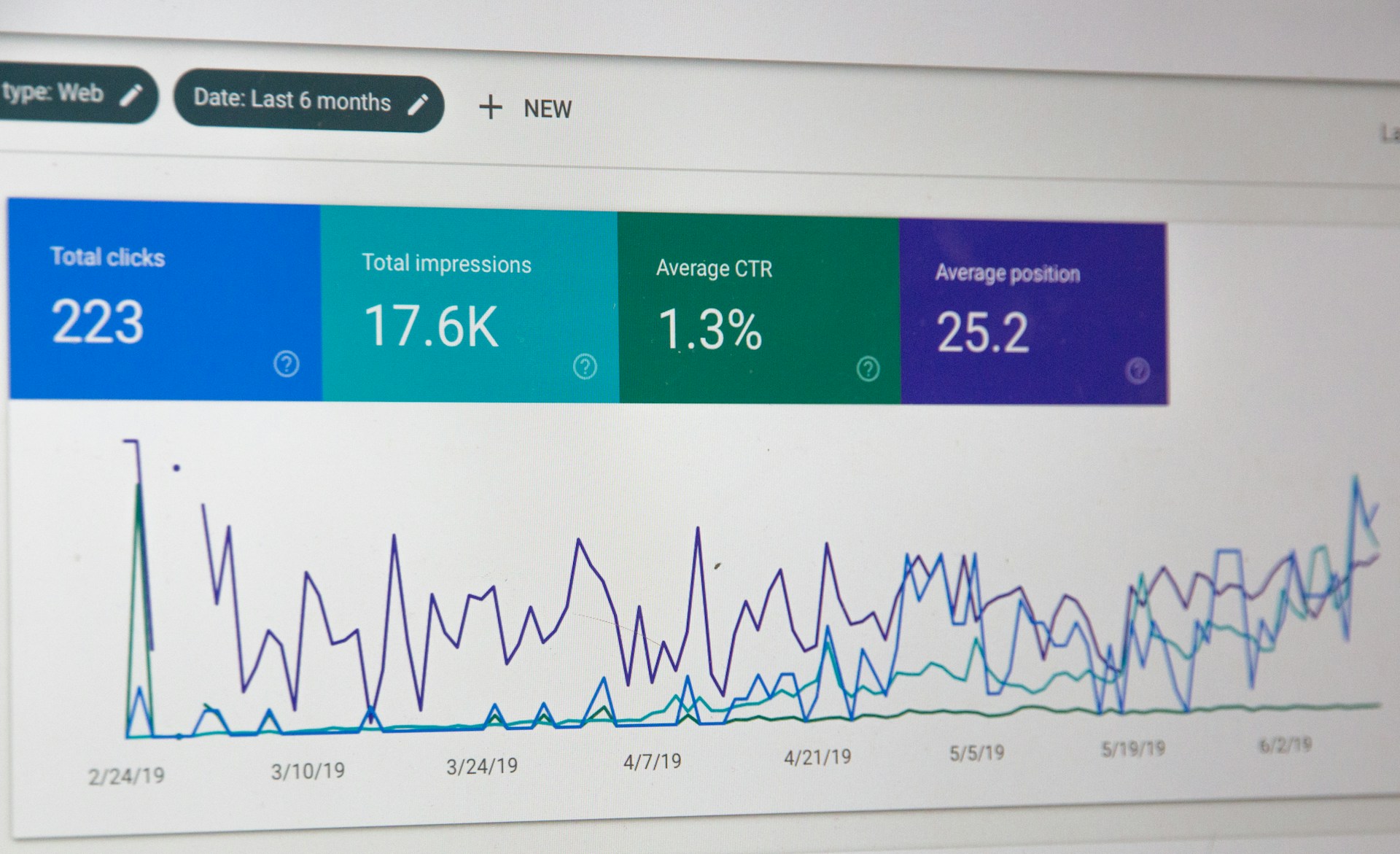
By month four, you should be able to point to actual movement. Keywords that were sitting on page three or four start creeping toward page two. Organic traffic, while still modest, should show a visible upward trend when you pull the analytics.
This stretch is also when link building really starts paying off, assuming the campaign has been consistent. Links built in month one or two have had time to get indexed and pass authority, and the compounding effect kicks in. A single guest post rarely moves a keyword on its own, but a steady drip of relevant, quality links over several months adds up in a way clients can actually see in a rankings report.
If you’re still not seeing any upward trend by month six, something’s off, whether that’s the keyword targeting, the content quality, or a technical issue nobody caught in the audit. This is the point where a good agency partner should be troubleshooting, not just repeating the same monthly report.
Months 7-12: Compounding Returns
This is where the campaign either separates itself from the pack or plateaus. Sites consistently optimized for six months plus tend to see rankings stabilize higher on the page, and competitive keywords that seemed out of reach in month one start becoming realistic targets.
Traffic growth in this window often outpaces the earlier months by a wide margin, simply because more pages are ranking for more terms simultaneously. A blog post from month two might finally crack the top ten for a long-tail keyword, while a service page optimized in month five starts pulling in branded searches it never got before.
This is also usually when agencies expand scope. If the client’s seeing results, it’s a natural point to bring up additional service pages, a broader keyword list, or a heavier content cadence. Any agency offering white label SEO services should bake this conversation into their reporting cadence rather than treating it as an upsell pitch out of nowhere.
Setting Expectations Without Underselling the Work
None of this means SEO is slow for its own sake. Competitive niches (legal, finance, anything with a lot of established competition) will take longer than a local service business with less competition. Industry, domain age, existing backlink profile, and how aggressive the competition is all shift this timeline in either direction.
What matters most is being upfront with clients from day one. Tell them month one is foundation work. Tell them months two and three are going to look noisy on paper. Tell them the real proof shows up around month four, and the compounding starts around month seven. Clients who understand the shape of the curve stick around long enough to see it play out. Clients promised page-one rankings by week three cancel before the campaign ever has a chance to work.
A Note for Agencies Reselling SEO
If you’re white labeling this work rather than running it in-house, the timeline doesn’t change, but your ability to explain it does. Make sure whoever’s producing the reports is giving you enough detail to translate for the client, not just a spreadsheet of keyword positions with no context. The agencies that retain clients longest are usually the ones who can explain the “why” behind a slow month, not just the “what.”
That’s really the difference between an agency that survives on SEO retainers and one that churns through clients every few months. The work itself, when it’s handled well, follows a predictable arc. Your job is making sure the client sees that arc coming before they start doubting whether it’s working at all.