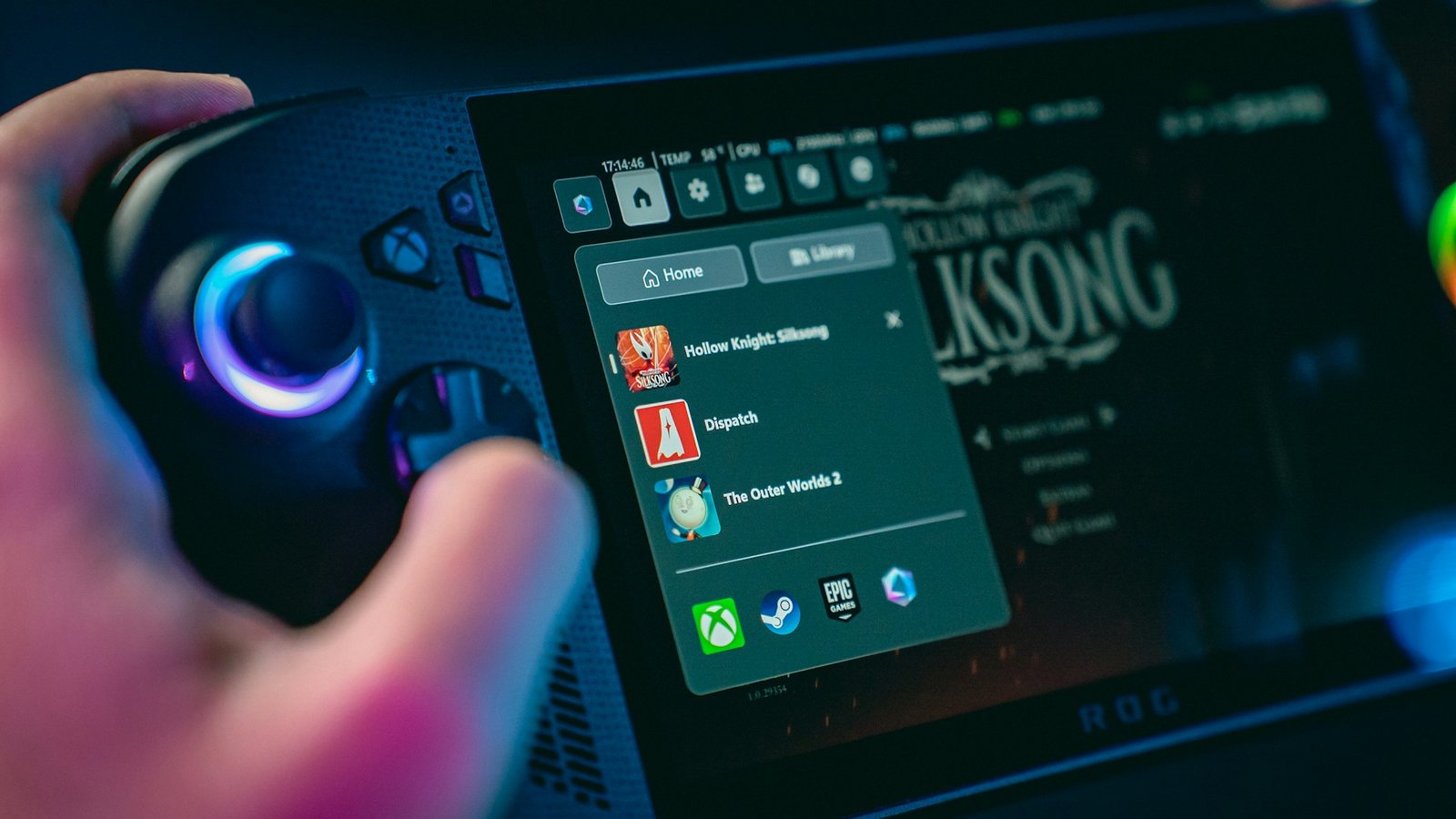



The widespread rollout of 5G networks is transforming smartphones and tablets into powerful gaming hubs capable of delivering console-quality experiences anywhere.
This technological leap forward is particularly transformative for accessibility, creating unprecedented opportunities for gamers with mobility limitations to engage with their favorite titles from any location.
As gaming platforms evolve to leverage these enhanced capabilities, the mobile entertainment world, including emerging formats like sweepstakes casino platforms that use virtual currencies to offer casino-style games legally across most U.S. states, is experiencing a dramatic expansion in both accessibility and user engagement. Sites like Action Network offer more insights into how these sweepstake casinos operate anf function in the US.
Ultra-Low Latency: Gaming Without Compromise
The most revolutionary aspect of 5G for mobile gaming lies in its dramatically reduced latency, with response times dropping to as low as 1 millisecond compared to 4G’s 50-100 millisecond range. This near-instantaneous communication between device and server eliminates the frustrating lag that has traditionally plagued mobile gaming, making real-time competitive gaming genuinely viable on mobile platforms. For gamers with mobility challenges who rely heavily on mobile devices for entertainment, this advancement removes a significant barrier to participation in online gaming communities.
Cloud gaming services particularly benefit from 5G’s capabilities, enabling players to stream AAA titles directly to their mobile devices without requiring powerful local hardware. This democratization of high-end gaming is especially valuable for users who may face physical limitations that make traditional gaming setups challenging to use or afford.
Enhanced Accessibility Features Through Seamless Connectivity
The robust bandwidth capabilities of 5G networks enable more sophisticated accessibility features to function seamlessly. Voice control systems, visual assistance tools, and adaptive interface technologies can now operate with the reliability and responsiveness required for competitive gaming. These features allow players with various physical limitations to customize their gaming experience extensively, from gesture-based controls to eye-tracking navigation systems.
Remote play functionality has also been revolutionized by 5G’s capabilities. Players can now stream their console or PC games to mobile devices with minimal quality degradation, enabling those with limited mobility to game comfortably from bed, wheelchair, or any preferred location. This flexibility represents a significant advancement in gaming accessibility, as location-based limitations are increasingly eliminated.

Transforming the iGaming
As 5G technology makes mobile gambling more dependable and immersive, the iGaming sector is expanding at an unprecedented rate. While lower latency guarantees responsive and equitable gameplay in real-time betting situations, improved streaming quality enables crystal-clear live dealer games. More complex game mechanics and visual effects that previously required desktop platforms are supported by this technological foundation.
Without the connectivity problems that previously hindered mobile gaming, mobile casinos can now provide experiences that are on par with those found on desktops, complete with intricate animations, high-definition graphics, and multi-player interactions. For iGaming platforms, where connection stability has a direct impact on user trust and regulatory compliance, the reliability improvements are especially important.
Social Gaming Revolution
By facilitating smooth multiplayer experiences across a variety of platforms and devices, 5G’s improved capabilities are encouraging more inclusive gaming communities. More inclusivity within gaming communities is being fostered by the ability for players with assistive technologies to engage in real-time social gaming without experiencing technical disadvantages.
Language barriers and communication difficulties that may affect players with hearing or speech impairments are eliminated by the improved connectivity, which also supports more advanced communication tools like real-time translation services and improved text-to-speech functionality.
Future Implications and Opportunities
The mobile gaming market is poised for rapid expansion in accessibility-focused gaming solutions as 5G networks continue to spread throughout the world. In order to create more inclusive gaming environments, developers are increasingly using 5G’s capabilities to design games with universal access principles in mind.
Even more accessibility gains are anticipated as 5G technology converges with cutting-edge innovations like haptic feedback systems and augmented reality. New types of adaptive gaming that can take into account a greater variety of physical abilities and preferences will be made possible by these technologies.