





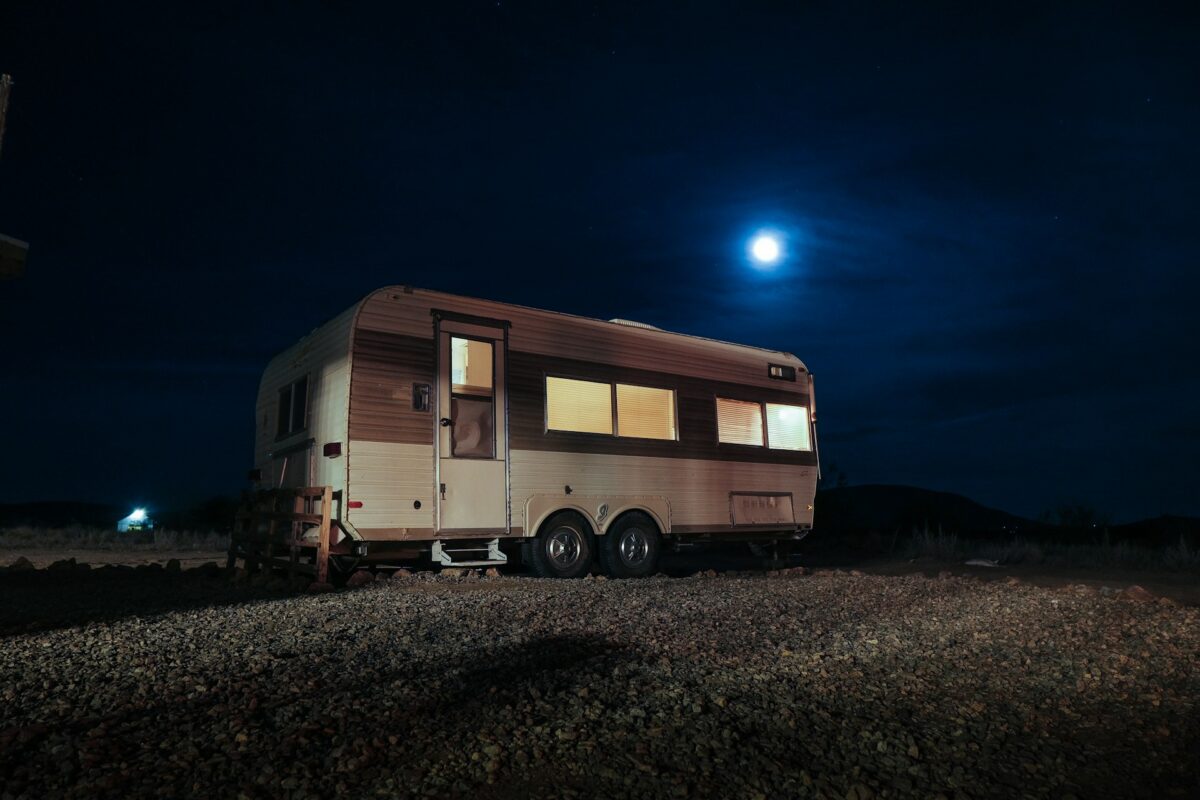

Forty-three percent of first-time trailer buyers report they wish they’d bought a different unit within the first year.
The most common regret?
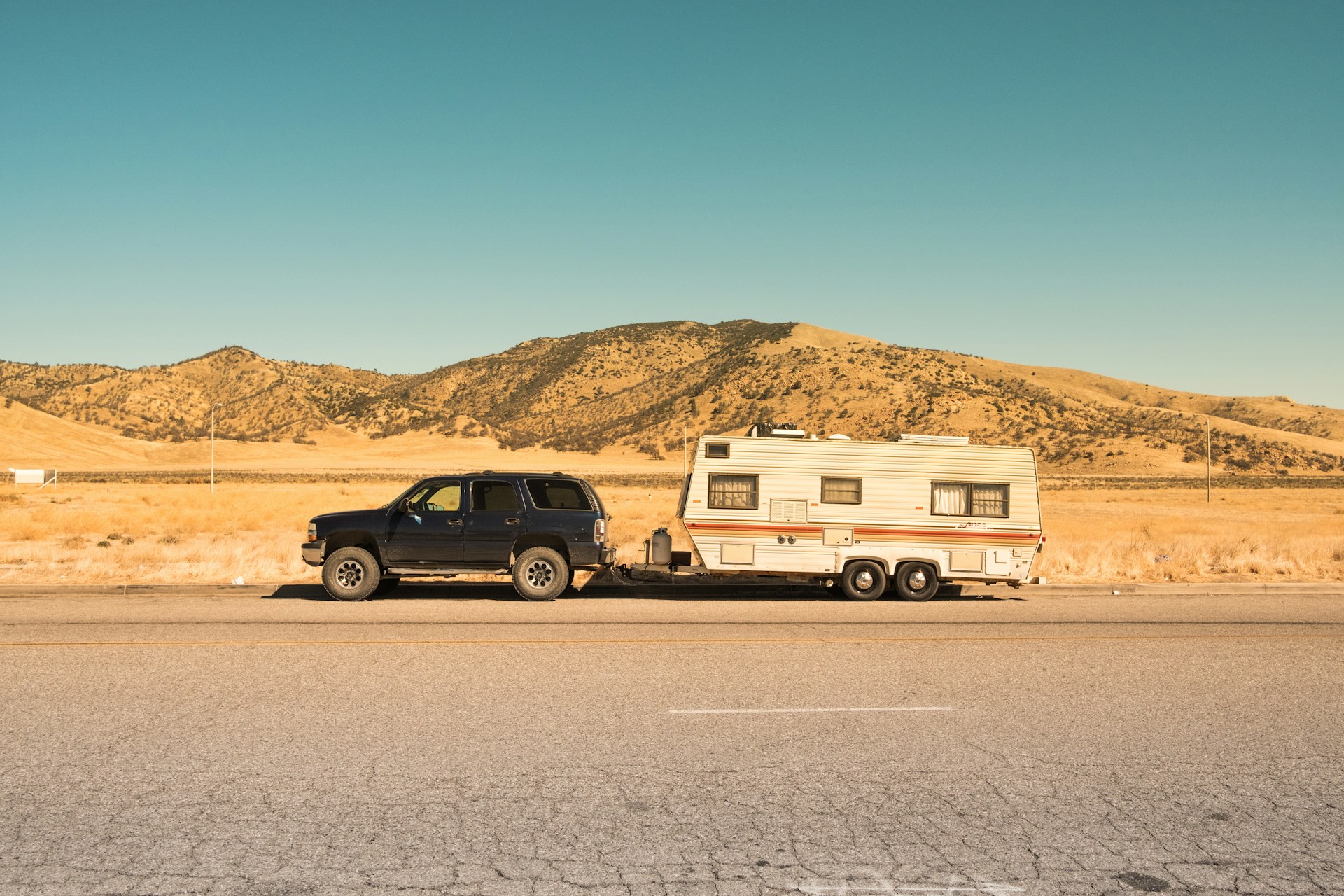
Picking a trailer that looked great on a dealer lot but proved completely wrong for the terrain they actually planned to use it on. Colorado is unforgiving about that mistake.
The state’s camping landscape runs from high-alpine dispersed sites above 11,000 feet to red-rock desert floors near Moab’s doorstep, with winding Forest Service roads, altitude-fueled temperature swings, and spring mud seasons that swallow undercarriages whole. A travel trailer that works perfectly on a flat Texas campground can be a nightmare in the San Juan Mountains. Getting the choice right before you buy saves you from an expensive lesson learned the hard way.
The CATS Framework: Four Questions That Drive the Decision
Before you look at a single floor plan, run every trailer candidate through what I call the CATS check: Capacity, Access, Tow rating, and Seasons. It takes about ten minutes and eliminates roughly half the models on any dealer lot immediately.
Capacity means asking how many people sleep in the unit and whether the storage is realistic for a week in the backcountry, not just a weekend at a full-hookup resort. Colorado campers tend to carry more gear than average: bear canisters, layered cold-weather clothing, hiking boots for every person, and a lot of mud-management gear. Roomy pass-through storage and an exterior kitchen access panel matter more here than an extra slide-out that chews into your storage floor space.
Access is the one most buyers skip entirely. Pull up the Forest Service or BLM road that leads to your target campsite and look at its surface rating and clearance requirements. A 36-foot fifth wheel is not going to negotiate the hairpin turns on the road to Stony Pass. Shorter overall length, higher clearance, and a sturdy frame rail are non-negotiable if your list includes even one dispersed site per season.
Tow rating catches buyers who fall in love with a trailer before checking whether their truck can legally and safely pull it loaded. Colorado grades steepen fast, and a vehicle towing at 95% of its rated capacity on a flat highway is dangerously underpowered on a 7% grade at 9,000 feet where engine efficiency drops noticeably due to reduced air density. Match your actual loaded tow weight, not the dry weight on the sticker, to your truck’s tow rating with a comfortable buffer.
Seasons determines insulation rating. Many Colorado campers end up out in May or October when overnight temps drop hard. A trailer rated for three-season use can see frozen pipes at Rocky Mountain National Park in early June. A genuine four-season build with enclosed and heated underbelly, dual-pane windows, and upgraded insulation is worth the extra cost if you plan to extend your season past the summer months.
Travel Trailer vs. Fifth Wheel vs. Truck Camper: The Real Colorado Tradeoff
The RV market in the U.S. is growing fast. Currently, 8.1 million American households own an RV, and an estimated 16.9 million families are strongly interested in purchasing one within the next five years. A large portion of those buyers are first-timers who don’t yet know which rig type fits their life. Here’s how the three most popular towable options stack up specifically for Colorado use.
Travel trailers give you the most floor plan variety at the widest price range, and they unhitch, leaving your tow vehicle free for day trips. That last point is huge when you’re camped at a trailhead in the Weminuche Wilderness and want to drive into Durango for dinner. The downside is hitch height and sway sensitivity on canyon roads. An anti-sway bar is a must, not an optional accessory, on Colorado mountain passes.
Fifth wheels ride more stably because the pin box sits in the truck bed over the rear axle, reducing sway dramatically. If you’re a full-timer or you camp for longer stretches, a fifth wheel’s residential-style floor plan and headroom feel closer to a cabin than a camper. The tradeoff is that you can’t unhitch and still have a usable tow vehicle, which matters a lot on Colorado’s narrow mountain roads.
Truck campers are the clear winner for serious backcountry access. No length restrictions, no turning radius concerns, and the ability to navigate roads that would stop any towable cold. Lance, one of the brands Trailer World of Colorado specializes in, has a strong reputation in this segment precisely because truck campers built for Colorado conditions need serious construction quality. The tradeoff is interior space: a family of four in a truck camper for more than a few nights requires very compatible personalities.
“The median age of RV owners has dropped from 53 in 2021 to 49 in 2025, with 46% of current owners falling within the 35-54 age range” and first-time buyers now make up 36% of all RV owners, according to the RV Industry Association’s 2025 owner profile report.
That demographic shift matters because younger buyers tend to buy for adventure rather than comfort, which means they’re more likely to push a rig into terrain it wasn’t designed for. Knowing your rig’s actual limits before you hit the road is part of buying responsibly.
Colorado’s Outdoor Economy Makes This Decision Worth Getting Right
This isn’t a fringe hobby market. In 2023, outdoor recreation in Colorado generated $65.8 billion in economic output, contributed $36.5 billion in GDP (8.5% of the entire state GDP), supported 40,000 jobs, and generated $11.2 billion in local, state, and federal tax revenue, according to a 2024 Colorado Parks and Wildlife report published by the Office of Governor Polis. Travel trailers and RVs are a core engine of that number.
Colorado’s campgrounds are consistently filling up earlier each season. Rocky Mountain National Park reservation windows now open six months out and still sell through within hours. That means your trailer choice isn’t just a purchase, it’s the backbone of your entire outdoor schedule for the next decade. Buying the wrong unit delays your first season while you resell, re-shop, and re-finance.
A Real Scenario: The Difference 4 Inches of Clearance Makes
Here’s a concrete example worth sitting with. Two camping families both buy trailers in the same price range. Family A buys a 24-foot travel trailer with standard 12-inch clearance and no off-road package because the dealer’s lot unit looked immaculate and the price was hard to argue with. Family B buys a 22-foot model with an off-road suspension kit, 16-inch clearance, and a skid plate under the fresh water tank.
Both families target Hornsilver Campground outside Breckenridge, accessible via a Forest Service road with embedded rock shelves and one creek crossing. Family A makes it in but drags the water tank on a shelf crossing, cracking the tank on day one. Family B camps for five nights, drives out clean, and goes back the following month.
Two feet of length difference and four inches of clearance are worth more on that road than any interior feature upgrade. This is the kind of decision that doesn’t show up in a floor plan photo, and it’s exactly the conversation a knowledgeable dealer should be having with you before you sign anything.
Financing: The Step Buyers Rush Past
Getting pre-approved before you walk onto a lot changes the entire buying experience. You’ll negotiate from a position of clarity instead of sticker shock, and you can focus on which unit is right rather than which one fits the financing terms being offered in the moment. Many Colorado buyers use the dealer’s own financing tools to get the process started quickly. Completing a Trailer World of Colorado credit application online before your visit lets the team pull together options before you arrive, which means less time at a desk and more time actually looking at trailers.
Pre-approval also protects you if you’re choosing between two units with a meaningful price gap. Knowing your ceiling lets you make that call on your terms.
A Practical Pre-Buy Checklist
- Measure your intended tow vehicle’s actual payload and tow ratings from the door sticker, not the manufacturer’s website.
- List every campsite type you plan to use: paved, gravel, dirt, dispersed. Your worst-case site drives your clearance and frame requirement.
- Decide on your longest solo trip duration. If it’s more than five nights, fresh water tank size and waste capacity become critical calculations.
- Check the insulation rating (R-value) on any unit you seriously consider, especially if your season extends past Labor Day in the high country.
- Walk the frame and inspect weld quality in person. Colorado roads vibrate components loose faster than flat-ground routes.
- Get pre-approved for financing before you visit a dealer so your budget is set before you fall in love with a floor plan.
The Bottom Line on Picking Right
Colorado rewards the buyer who did the homework. Outdoor recreation participation in the U.S. reached a record 175.8 million participants in 2023, representing 57.3% of the U.S. population, according to the Outdoor Industry Association’s 2024 Outdoor Participation Trends Report. More people are heading outside than ever, and competition for the best sites only grows.
Your travel trailer is the piece of gear that determines where you can go and how long you can stay. Take the CATS Framework seriously, match the unit to Colorado’s actual terrain, and sort your financing before you walk the lot. That sequence puts you in the right rig on the right road, which is the only metric that actually matters.