





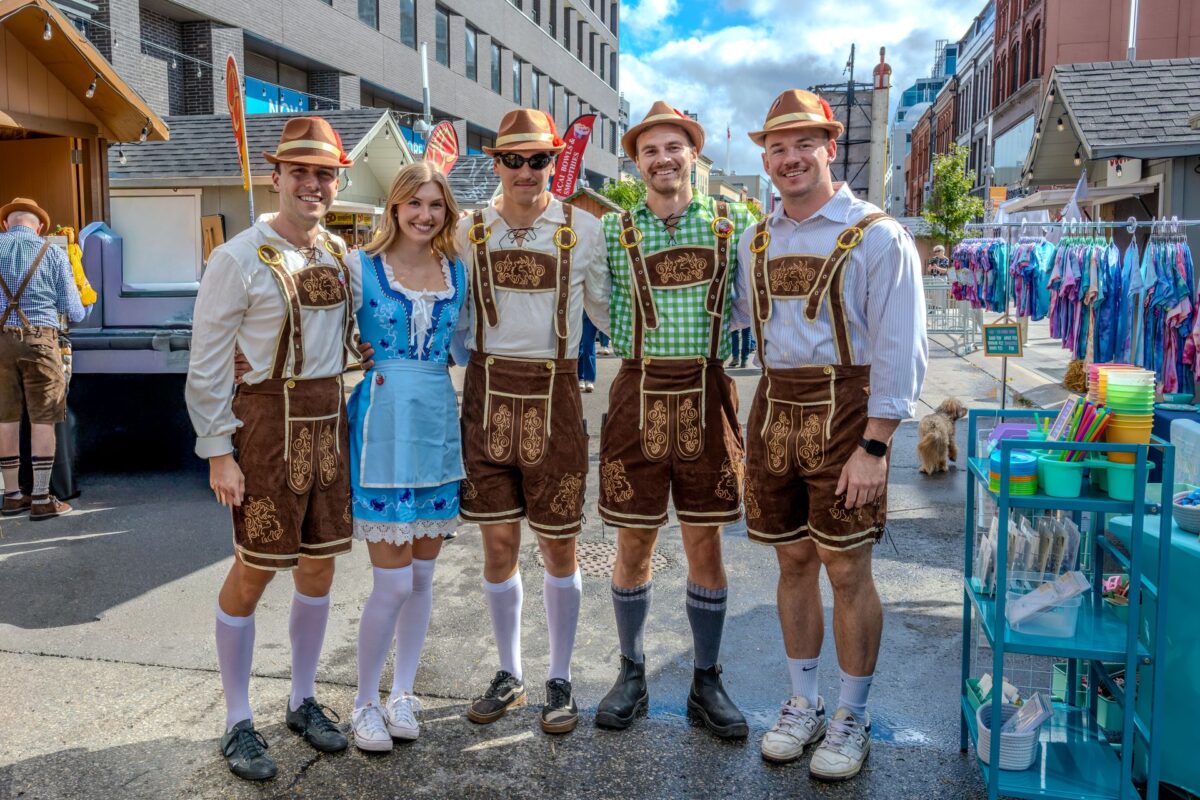

Oktoberfest may last only a few weeks, but the clothing worn during it is designed to last far longer. Trachten garments, whether a traditional Dirndl, a pair of Lederhosen, or a classic Trachtenhem, represent a meaningful investment in both quality and cultural heritage. How you care for and store them after the festival season directly affects how well they hold up for the following year. This guide covers the practical steps to clean, prepare, and store your Oktoberfest clothing properly so that it remains in good condition season after season.
Why Proper Storage Matters for Trachten
Unlike fast-fashion garments that are replaced after a season or two, authentic traditional Bavarian clothing is built to last for years — sometimes decades. The natural materials used in genuine Trachten, including leather, wool, cotton, and linen, require a different level of care than synthetic fabrics. Improper storage can lead to:
- Mould and mildew — particularly in leather Lederhosen or wool skirts stored in damp conditions
- Fabric distortion — caused by folding garments incorrectly or storing them under pressure
- Pest damage — moths are drawn to natural wool and linen fibres if garments are not properly protected
- Odour retention — festival environments mean garments absorb food, smoke, and perspiration over the course of the event
- Colour fading — exposure to light during storage can gradually dull the rich tones typical of traditional Bavarian clothing
Taking a little extra time before putting your Trachten away makes a significant difference in how the garments look and feel when you bring them out again.
1: Clean Everything Before Storing
The most important rule of Trachten storage is simple: never put away garments that have not been properly cleaned. Storing soiled clothing allows stains to set permanently, odours to deepen, and bacteria or mould to develop over time.
For Dirndls and blouses:
- Check the care label first, most traditional Dirndl fabrics are machine washable on a gentle or delicate cycle at low temperatures
- Hand washing in cool water with a mild detergent is the safest option for embroidered or decorated sections
- Do not wring or twist the fabric, press gently to remove excess water and reshape while damp
- Air dry flat or on a padded hanger away from direct sunlight or heat sources
For wool components:
- Wool skirts and bodice linings should be dry cleaned where possible, or hand washed very gently in cool water with a wool-specific detergent
- Never machine wash wool on a standard cycle, heat and agitation cause irreversible shrinkage
- Allow to dry completely before storing, as even slight dampness encourages mould
For blouses:
- Cotton and linen blouses can generally be machine washed, but delicate lace or embroidered trims benefit from a laundry bag and a gentle cycle
- Iron while slightly damp for the cleanest finish, particularly around lace detailing
2: Caring for Leather, Lederhosen and Leather Accessories
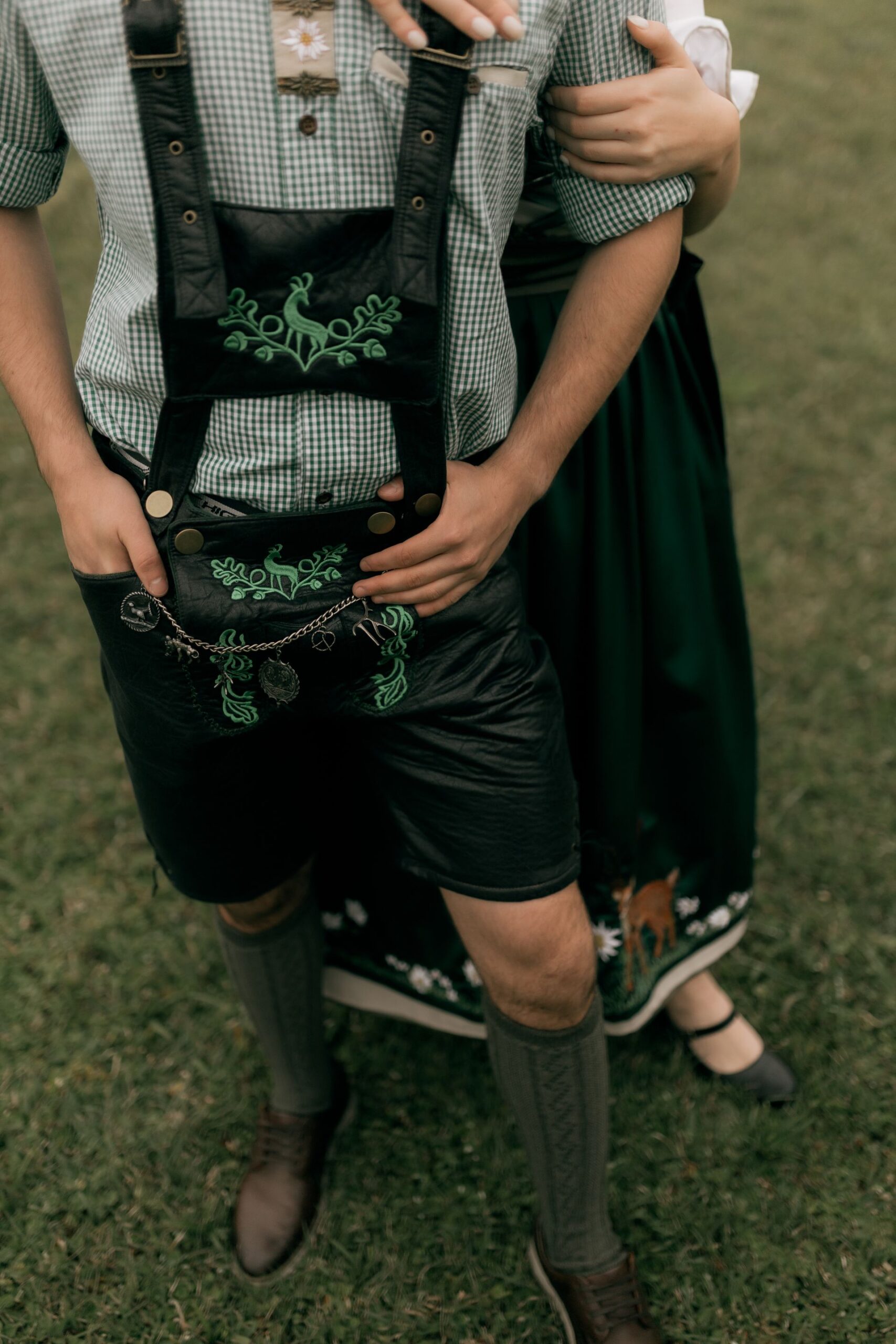
Leather requires its own set of care steps and should never be stored without preparation. This applies to both traditional men’s Lederhosen and women’s Lederhosen, as well as leather belts, bags, and shoe accessories that are part of a complete Trachten outfit.
Cleaning leather:
- Wipe down the surface with a slightly damp cloth to remove surface dirt and dust
- Use a leather-specific cleaner for any stained areas, avoid household cleaning products, which can strip the natural oils from the leather
- Allow to dry naturally at room temperature, away from radiators or direct sunlight, both of which cause leather to dry out and crack
Conditioning leather:
- Once clean and dry, apply a thin layer of leather conditioner or beeswax-based leather balm
- This step is particularly important for Lederhosen, as it keeps the leather supple and prevents cracking during the months it is not being worn
- Buff gently with a soft cloth after application
What to avoid:
- Never store leather in a plastic bag or airtight container — leather needs to breathe
- Do not use heat to speed up drying
- Avoid folding leather Lederhosen along the same crease repeatedly, as this weakens the material over time
3: Preparing Garments for Long-Term Storage
Once everything is clean and fully dry, the next step is preparing each garment for storage in a way that preserves its shape and protects it from environmental damage.
Hanging vs. folding:
| Garment | Recommended Storage Method |
| Dirndl bodice | Hang on a padded hanger to preserve structure |
| Dirndl skirt | Hang or fold loosely — avoid tight folds at the waistband |
| Apron | Fold flat and store with the skirt |
| Blouse | Hang or fold — store separately from leather items |
| Lederhosen | Hang by the suspenders or fold loosely along natural seams |
| Wool socks and accessories | Fold and store flat in a breathable bag |
Protecting against moths:
- Place cedar blocks or lavender sachets near wool and linen garments — both act as natural moth deterrents without the chemical smell of mothballs
- Replace cedar blocks annually, as they lose potency over time
- Avoid mothballs directly touching fabric, as they can leave residue and a persistent odour
4: Choosing the Right Storage Environment
Where you store your Trachten is just as important as how you prepare it. The ideal storage environment for Oktoberfest clothing shares a few consistent characteristics:
- Cool and dry : avoid attics in summer or basements prone to dampness; a wardrobe in a climate-controlled room is ideal
- Dark : prolonged light exposure fades fabric colour, particularly the deep greens, navies, and burgundies typical of traditional Bavarian clothing
- Well-ventilated : garments stored in airtight bags or sealed boxes without breathable material are at greater risk of mould and odour retention
- Away from direct heat : radiators, heating vents, and sunny windowsills all dry out both fabric and leather over time
Storage solutions worth considering:
- Breathable garment bags : cotton or non-woven fabric bags allow air circulation while keeping dust off hanging garments
- Acid-free tissue paper : useful for padding out bodice cups or filling the body of a blouse to help it hold its shape
- Wooden hangers : preferable to wire or plastic for structured garments like bodices, as they support the shoulder line without distorting it
A Note on Professional Cleaning and Repairs
Before storing your traditional Dirndl or Lederhosen for the season, it is worth taking a moment to assess whether any repairs are needed. A loose button, a small tear at a seam, or a worn suspender clip is far easier and less expensive to fix now than after months of storage have allowed the damage to worsen.
For high-quality or older pieces, professional dry cleaning and leather care services are a worthwhile investment. Specialist Trachten retailers, such as Bavaria Trachten, can often advise on recommended care services or products suited to the specific materials used in their garments.
Conclusion
Storing your Trachten correctly after Oktoberfest is a straightforward process when approached in the right order: clean first, condition leather, prepare garments for hanging or folding, and choose a suitable storage environment. Traditional Bavarian clothing is built to last, but that durability depends on the care it receives between seasons. Whether you are putting away a traditional Dirndl, a pair of women’s Lederhosen, or a full set of Oktoberfest clothing for the whole family, a little attention at the end of the festival season goes a long way toward keeping your garments in excellent condition for many years to come.