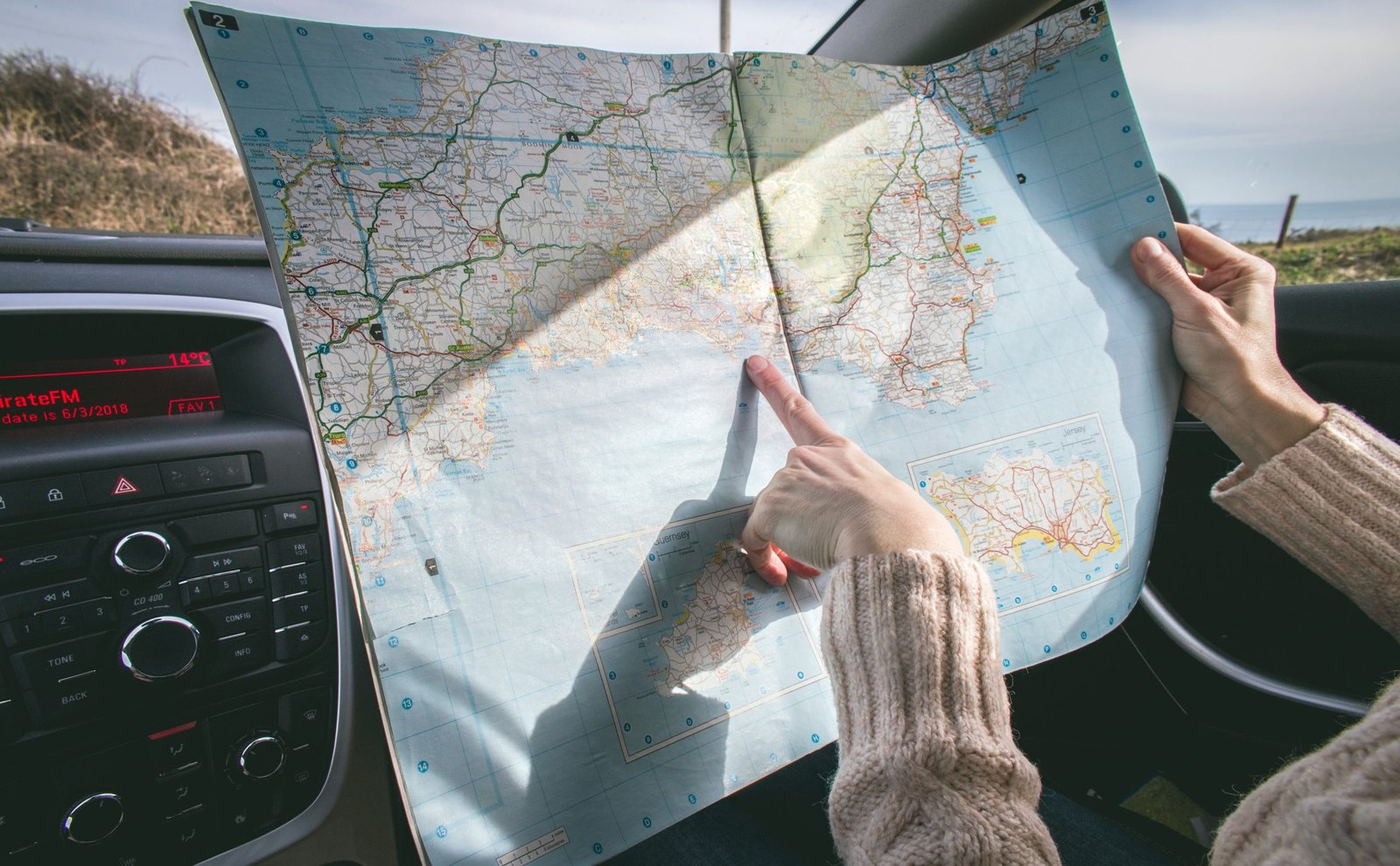







Want to know how to take truly unforgettable holidays?
Most holidays are boring. The average traveller spends days lounging by a pool or walking from one gift shop to the next. Then they return home with a suitcase full of trinkets and a brain full of nothing.
Here’s the thing…
Travel and adventure activities change that. Adding physical experiences to your travels literally rewires your brain. Those holiday memories become part of your long-term memory.
In fact, the numbers don’t lie. The adventure tourism sector is expected to grow at a 16.8% annual rate through 2030, which means that travellers are finally starting to wise up. The days of passive tourism are over. Today’s holidaymakers want active, memorable experiences.
In This Guide
- Why Active Experiences Create Stronger Memories
- The Science Behind Adventure and Memory
- Best Activity Types for Memorable Trips
- How to Plan Your Own Activity-Based Holiday
Why Active Experiences Create Stronger Memories
Your brain is designed to remember only the most important information. Adventures and travel activities that challenge you push the right buttons in your mind. Physical activity in unfamiliar places triggers a dopamine-rich chemical cascade that will cause your brain to save those memories for the long haul.
Travel and adventure activities fire up your hippocampus, the brain’s memory and navigation system, so you remember more. Whether it’s taking Newquay surf lessons on the Cornish coast or hiking through mountain trails, the result is holidays that you will not forget.
That’s why travellers are demanding active vacations. Adventure tourism is on the rise all over the world, and for good reason. Visitors are starting to realise that it is not material goods that provide long-lasting satisfaction but meaningful experiences.
The Science Behind Adventure and Memory
Adventure and exploration are what being human is all about. When you do something active and fun during your travels, the pleasure chemicals released by your brain lock that experience into your long-term memory. This is why adventures and active travel experiences become more than memories. They become part of who you are.
Research in the field of psychology by Cornell University shows that people who spend money on experience-based holidays have greater and longer-lasting happiness than those who buy material possessions. The enjoyment that a physical item can bring quickly disappears, but memories of positive experiences will become even more pleasurable over time.
Several factors explain this connection:
- Physical engagement forces your body to activate all your senses simultaneously.
- Challenge and achievement create emotional peaks in your brain’s memory map.
- Novel environments and situations make your brain take special notice.
- Social connections to other travellers and locals during the activity support later recall.
Tourism research has shown that memorable experiences are reliable predictors of customer satisfaction and lead to repeat visitation and emotional attachments to a destination.
Best Activity Types for Memorable Trips
Not all holidays are created equal, and neither are all travel activities. The most effective way to make sure that your trips stay in your long-term memory is to go for memorable activity types that take full advantage of our biology. Research has shown the best way to create true experiential value is to participate in meaningful travel and adventure activities that get your body involved.
The best travel activities have these characteristics in common: they nudge you slightly outside of your comfort zone without being overwhelming. They are not repeatable experiences you do every day at home. They involve learning something new and engage multiple senses. They help you connect with the local landscape in a more direct, physical way.
Water Sports
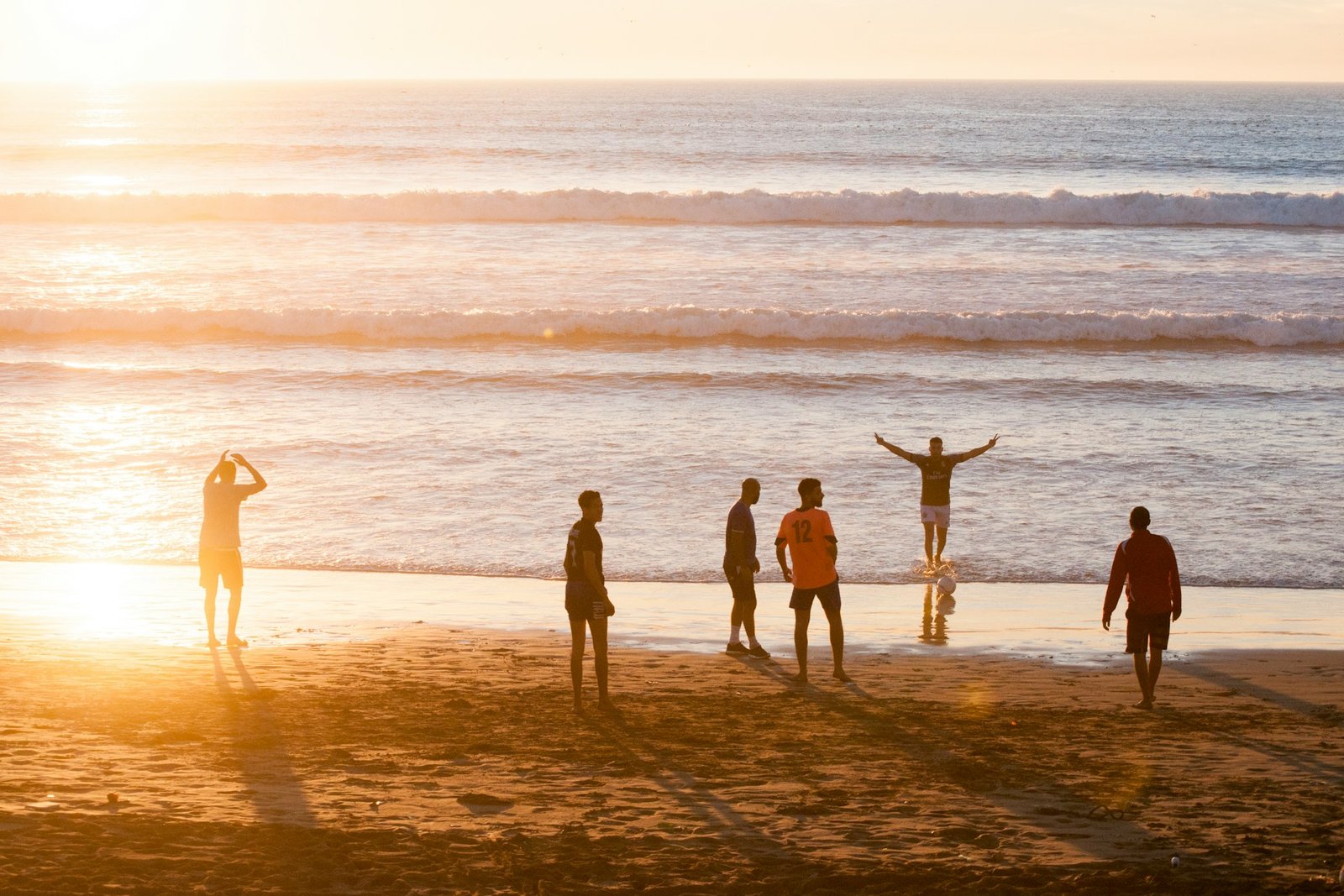
Water activities like surfing, kayaking, paddleboarding, and snorkelling are among the most memorable travel experiences you can take. Participating in adventures on, under, and around waterways mixes up the pleasurable feelings of physical challenge with the relaxed effects of the natural world. Plus, the sensory imprint of moving around in water creates powerful memory anchors.
Hiking and Trekking
Walking and hiking on trails are some of the most straightforward and satisfying activities on this list. Hiking a mountain, walking the beach, or simply roaming through nature forces you to use all your senses. The effort needed to see new sights in nature makes destinations feel more earned than merely visited. As a result, these memorable travel activities lead to deeply personal memories rather than generic, superficial snapshots.
Cultural Immersion Activities
Cooking classes, craft workshops, and cultural experiences also create memories through active participation. Learning how to prepare traditional food or make local crafts is a far more effective way to connect with a destination than passively sightseeing.

Cycling Adventures
Renting a bike or going on cycling tours will help you cover more ground on holiday while keeping you physically engaged. The rhythm of the pedalling combined with the flow of changing scenery will put you in the right state of mind for maximum memory retention.
It is little wonder the adventure travel industry has been taking off. In fact, according to the Adventure Travel Trade Association, 73% of operators reported increases in revenue during this past period, with the most popular trips priced on the moderate side and centred on active exploration.
How to Plan Your Own Activity-Based Holiday
It’s now time to create some fantastic memories. Planning an activity-based holiday is easy. It does not require extreme fitness levels or massive budgets. All it takes is choosing the right experience for your abilities that will provide the level of engagement necessary to get your brain juices flowing.
The first step is to identify the activities that interest you the most. Putting yourself into activities that you hate is the fastest way to ensure that no one has a good time. So choose experiences that match your natural curiosities and a destination that makes it all possible.
When planning your holiday, keep the following factors in mind:
- Your current fitness level and any physical limitations
- The environment where you want to travel and the activities that work best there
- The potential for learning new skills during your trip
- The ideal mix of structured activities and free exploration time
Booking one or two guided activities is a good idea. Professional instruction will not only keep you safe but also fast-track your learning and understanding so you can actually enjoy the experience. Surfing, climbing, or cultural workshops will be much more fun when you don’t have to spend a third of your time fumbling around by yourself.
Don’t over-schedule your trip either. The best activity-based holidays leave plenty of time for spontaneous experiences. It is often those unexpected moments between two intense activities that lead to the strongest memories.
The Long-Term Benefits
Activity-based travel is beneficial not only in the moment but also for the future. Research has shown that just planning experiential travel improves your long-term happiness even before you travel. Buying an adventure holiday provides weeks and even months of positive anticipation that simply cannot be matched by spending on material goods.
Then, once you return home, the experience continues to pay dividends. Several studies have demonstrated that even recalling a travel experience can help repair a negative mood. Your adventure memories become a personal resource that you can draw on during tough times. The social aspects are also essential, as shared activities bond people together. Families who take active holidays together report that those trips have a way of bringing people closer together.
Pulling It All Together
Activity-based travel creates holidays that turn into extraordinary life experiences. The science behind active travel and adventure experiences is pretty clear. Physical engagement in a novel challenge that brings out the best in you in a sensory-rich environment creates the perfect cocktail to facilitate long-term memory formation. Passive tourism will never be able to compete on this front.
The great news is that you do not have to be an extreme athlete or spend big to start having unforgettable holidays. Selecting an activity that interests you and a destination that supports it will be all you need to get started. It could be surfing lessons, mountain hiking, cooking classes, or cycling tours. The key is simply taking part. Your future self will thank you for this decision. The good activity-based memories will provide joy decades from now, long after those souvenirs have been forgotten.
The best trips are not measured by how many places you see. They are measured by how many moments you lived.