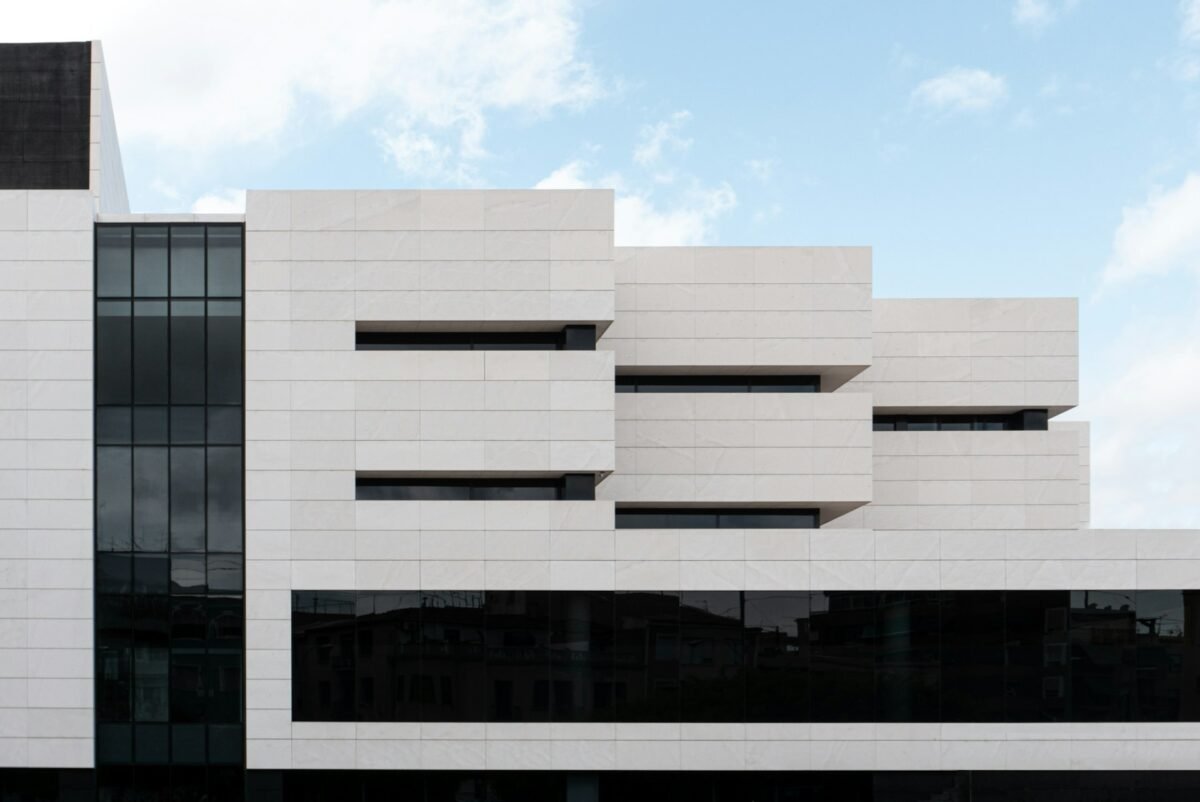

Architecture isn’t just about structures—it reflects how people live.
In cities like Los Angeles, where individuality and daily rhythm shape everything from fashion to food, homes are expected to do more than look good.

They need to support real life in thoughtful, intuitive ways.
More homeowners now want spaces that feel aligned with who they are. A modern estate offers the chance to create something deeply personal, where beauty works hand in hand with function. When architects design with lifestyle in mind, the result is more than a home—it’s a setting that feels right from the moment you walk in.
Why Architectural Input Defines the Character of a Modern Estate
Personal style stands out in well-planned architecture, where each room and detail tells a part of the owner’s story. Experienced architecture firms in Los Angeles focus on the client’s lifestyle when designing, making sure the space supports their habits and routines. Large windows, for example, can brighten kitchens and make them ideal for relaxed mornings, while open layouts make it easier to move around and carry out daily tasks.
Design choices influence how a home feels and functions on a daily basis. Thoughtfully planned layouts make everyday transitions—like moving from meal prep to hosting—feel effortless. These decisions shape a living experience that’s both intuitive and enjoyable. Sharing the rhythm of your routines with your architect helps translate abstract needs into concrete features that actually support how you live.
Customization at the Structural Level Drives True Luxury
Luxury in modern homes isn’t just about fancy finishes. It comes from spaces shaped to support daily life. Skilled LA architects consider details like wall placement, room size, and how rooms flow together to make the home feel more natural and comfortable to live in.
Flexible design also plays a major role in making a home feel open yet connected. Architects can create layouts that support both social gatherings and quiet moments, without feeling crowded. These thoughtful choices improve both comfort and function. Speaking to your architect about how you live keeps the design grounded in what matters most to you.
Climate and Context Dictate Material and Layout Choices
Los Angeles has a varied climate, shaped by its coastlines and nearby mountains. Each property faces different weather conditions, so architects take into account things like sun exposure, wind, and soil type to decide how to place and design a home. This kind of planning helps keep the home comfortable year-round, using nature to reduce energy use and make the space more pleasant.
Choosing the right materials also makes a big difference. Materials that can handle local weather last longer and look better over time. Using local stone, wood, and sustainable finishes helps the home blend with its surroundings. Talking with your architect about the materials you prefer can help create a home that matches both the environment and your taste.
Coordination with Interiors Starts Before Groundbreaking
Good design isn’t just about the structure—it should also work well with interior style. LA architects know how important it is to connect the overall design with the interior layout, so everything fits together smoothly. Starting with this kind of planning means better choices about space, light, and furniture from the beginning.
Thinking about furniture and room layouts early in the process helps avoid awkward or hard-to-use areas. It also helps homeowners end up with rooms that match their lifestyle. If you talk about furniture and layout ideas with your architect from the start, you’ll likely find smart ways to improve how the home functions and feels.
Value Retention and Livability Are Built in From Day One
Homes built with daily life in mind naturally support comfort and ease. When architects keep lifestyle in focus, the home works better for the people living in it. Multi-use rooms and easy-to-access storage show smart planning and make daily life smoother. This kind of livability helps families enjoy their homes more fully.
Well-designed homes also hold their value—both emotionally and financially. Features that seem small at first can make a big difference over time. Smart design choices help homes stay appealing, even years later. Talking to your architect about what you might need in the future can help make your home useful and attractive long-term.
Working with an architect who understands how you live changes everything. A well-designed home should feel natural, support your habits, and adapt as your life shifts. Light, flow, and layout matter just as much as materials and finishes—especially in a place like Los Angeles where climate and lifestyle go hand in hand. Early conversations about how you use your space, what comforts you, and what might change help shape a design that lasts. A home isn’t just a structure; it’s a reflection of your everyday life. Thoughtful planning now creates a space that stays meaningful for years to come.