





A trip to Italy deserves slowing down. When you rush through it, you collect landmarks.
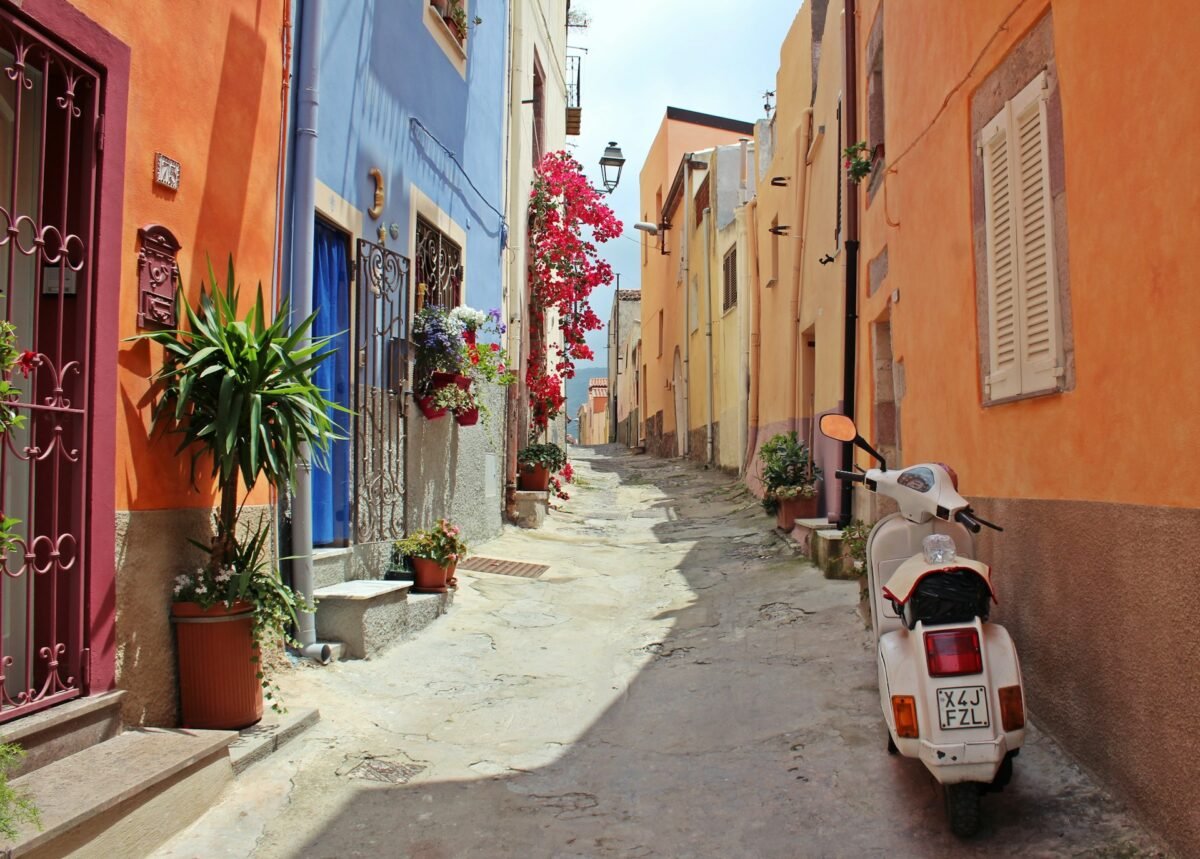
When you slow down, you start noticing how locals greet each other at the same café every morning and how each region carries its own rhythm. The longer you stay in one place, the more it starts to feel like you’re learning about the real Italy rather than ticking it off a bucket list.
Understanding the slow travel movement
Slow travel encourages you to step away from tight schedules and constant movement. You stay longer in fewer places, which gives you time to notice details you’d normally pass by, like how a neighborhood bakery changes its offerings depending on the day or how a town square fills differently in the evening compared to the morning.
This approach also changes how you interact with a destination. Instead of treating each stop as a photo opportunity, you engage more directly with daily life. You might shop in local markets or return to the same café enough times that the owner starts recognizing you.
Italy as the ideal slow travel destination
Italy fits slow travel naturally because each region feels distinct enough to hold your attention for days or even weeks. You can move between coastal paths, mountain villages, and historic cities without ever losing variety. Walking becomes one of the easiest ways to absorb that difference, especially in rural areas where footpaths link small towns and farmland.
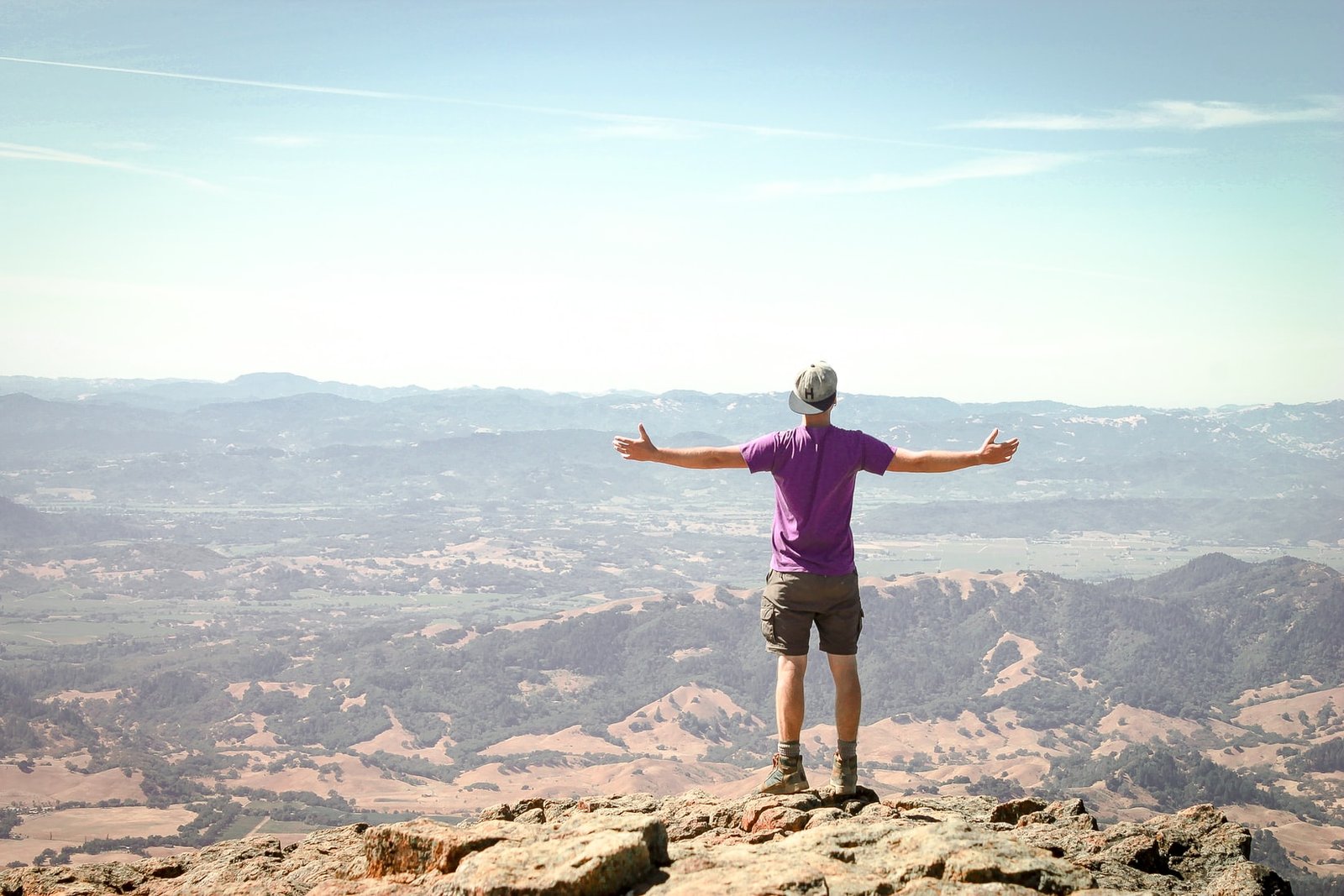
Experiences such as hiking trips in Italy allow you to engage with landscapes at a slower pace, giving you time to notice how terrain changes from one valley to the next or how local life adapts to the environment. Instead of rushing between viewpoints, you build the journey step by step, often sharing paths with locals rather than tourists.
Curating immersive local experiences
You might join a cooking class in a small village in Italy, where you learn how to make pasta using recipes passed down through families, or visit artisan workshops where craftspeople shape ceramics, leather, or textiles using traditional methods.
Staying in rural guesthouses or family-run agriturismos also changes how you experience the country. You wake up to local produce, eat meals that reflect seasonal ingredients, and often speak directly with hosts about nearby places worth visiting. That kind of interaction helps you move away from surface-level travel and towards something more grounded.
Sustainable travel and long-term value
Slow travel also reduces pressure on busy destinations because you move less frequently and stay longer in one place. That means fewer internal journeys and a lighter overall footprint, especially when you choose trains or walking routes instead of frequent flights or car transfers.
It also spreads your spending more evenly. Instead of paying for multiple short stays in tourist-heavy areas, you support smaller businesses in one region over a longer period. Local cafés, markets, and family-run accommodation benefit directly from that steady presence. Over time, you not only reduce environmental impact but also build a more meaningful connection with the places you visit.