

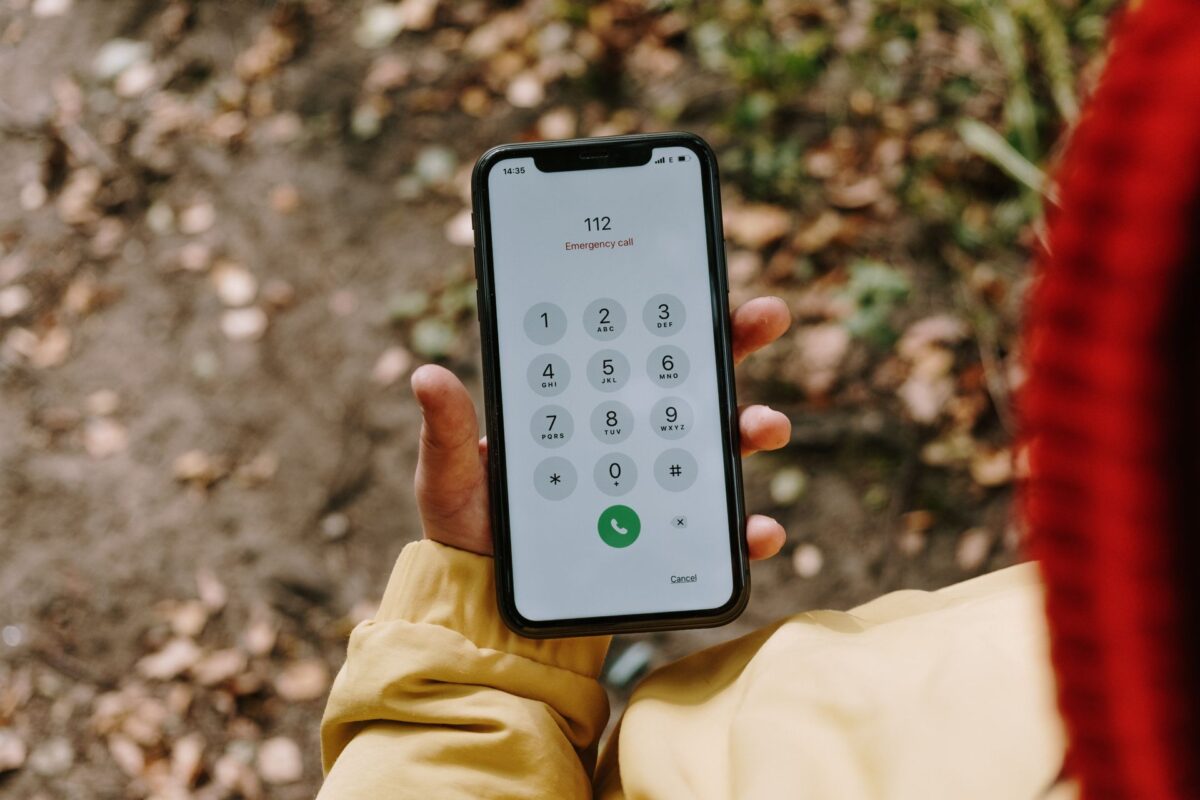

Interference with an emergency call charge can have serious legal consequences. If you’re accused of preventing, interfering with, or disrupting an emergency call, you may be able to dispute the evidence, question the required intent, or show that the alleged conduct does not meet all the elements of the offense.
Understanding the allegations and the applicable law can help you protect your rights. That is why people accused of interfering with an emergency call often seek legal guidance from a criminal defense attorney.
An attorney can review the evidence, identify weaknesses in the prosecution’s case, and help determine which legal arguments may apply to the circumstances.
What Defenses Can You Use Against an Interference with an Emergency Call Charge?
Potential ways to challenge the charge may include the following:
Challenge Whether the Alleged Conduct Interfered with the Emergency Call
The prosecution generally must prove the conduct required by the applicable statute. If the evidence does not show that you obstructed, interrupted, prevented, or interfered with an emergency call as defined by that law, the charge may be challenged.
The timing and outcome of the emergency call may be important when determining whether the alleged conduct actually disrupted the call. For example, evidence that the call connected and continued normally may raise questions about whether the defendant’s actions legally amounted to interference.
Dispute the Required Intent
Under Texas Penal Code § 42.062, a person may commit an offense by knowingly preventing or interfering with another person’s ability to make an emergency call or request assistance. The law also applies when someone recklessly renders a phone or other electronic communication device unusable for that purpose. If the alleged interference was accidental and the evidence does not establish the required knowing or reckless conduct, that element may be challenged.
The circumstances surrounding the incident can help determine whether the conduct was deliberate. An argument, physical struggle, or sudden confrontation may create uncertainty about whether an action involving a phone was intentional.

Challenge the Witness’s Account
Witness testimony can be important when an interference allegation arises during a stressful or rapidly developing confrontation. Differences in witness accounts may create questions about who had the phone, whether a call was attempted, or what happened before and after the incident.
For instance, one witness may claim that the defendant took the phone before an emergency call could be made, while another says the phone remained with the alleged victim throughout the incident.
A defense attorney can compare witness statements and identify inconsistencies in how the events were described. Conflicting accounts could make it harder for the prosecution to establish exactly what happened.
Present Evidence That Contradicts the Allegation
Objective evidence can provide a different account of what happened during the incident. Security footage, recordings, messages, and other evidence may help establish the timing and sequence of events. Preserving this evidence can be important when the accusation depends mainly on someone’s account of the incident.
For example, security footage may show that the accused was in another part of the room when the emergency call was made. This could contradict a claim that the accused was physically holding or taking the phone at that time.
Argue That Another Required Element Was Not Proven
Some statutes require the prosecution to establish that the circumstances met the law’s definition of an emergency. Under Texas Penal Code § 42.062, an emergency includes circumstances in which a person is or is reasonably believed to be in fear of imminent assault, or property is or is reasonably believed to be in imminent danger of damage or destruction.
For example, if the circumstances do not show that anyone was in fear of imminent assault or that property was in imminent danger as required by the applicable statute, the defense could dispute whether a qualifying emergency existed A defense attorney can examine the circumstances surrounding the alleged call to determine whether they satisfy the statute’s definition.
Key Takeaways
- Challenge the alleged interference when the prosecution cannot show that you actually disrupted or prevented an emergency call.
- Dispute intent when appropriate if the alleged conduct was accidental, misunderstood, or did not involve the mental state required by the applicable law.
- Examine witness statements when conflicting or inconsistent accounts raise questions about what actually happened.
- Preserve relevant evidence such as phone records, recordings, messages, and other evidence that may contradict the allegations.
- Review every legal element when the prosecution may be unable to prove all the requirements of the charge.