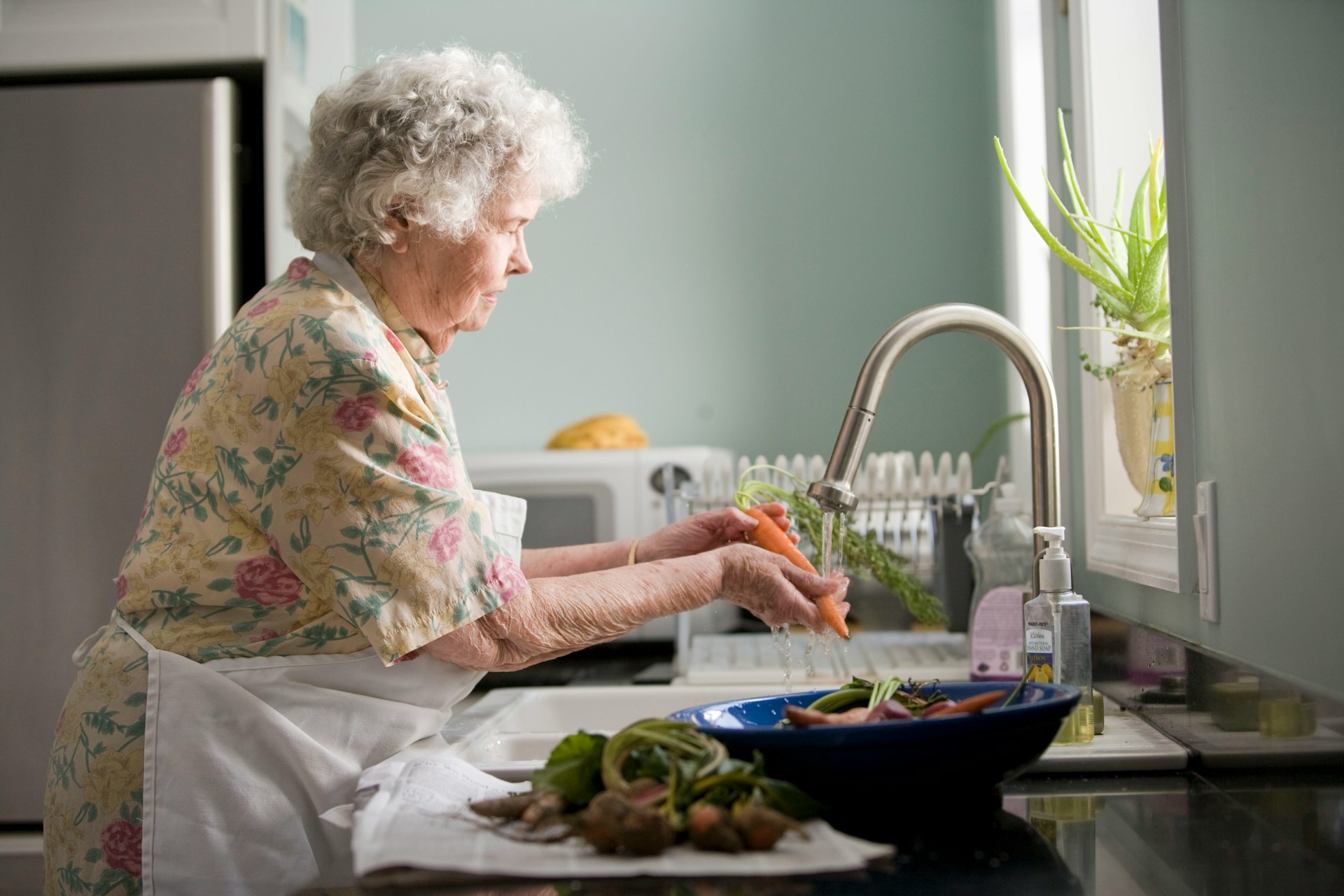



Often when thinking about family dinners, people think about the food that is being served. But often the preparation and clean up associated with this meal can affect other aspects of the home. The meal, the set up of the table, sitting down to eat, clearing the plates and cleaning the kitchen can all contribute to large impacts. Having a family dinner routine can allow for more peaceful evenings, teach important skills and allow for all family members to enjoy their meal together.
Establishing Predictability
A dinner routine provides a family with a stable, knowable structure that makes it possible for them to know what to expect at the end of the day. Variability in the hours of activity during the day can make the differences from day to day difficult to predict. A routine helps to make sure that things always happen in the same way, regardless of how busily they were done before. It can allow for the creation of an evening that is always the same, where table-setting, eating and cleaning can always be expected, even if the food and sides change.
In addition to getting those little ones moving, predictability will help to have everything flow so smoothly together too. The kids know that after dinner there are certain things they need to do or that there is homework due that they need to get done on to go to bed. Then the parent can schedule his or her day around the family dinner as well, so that it helps them out too. It doesn’t mean that you should be so strict with a schedule that you can’t get any flexibility; rather you can have a routine going which then makes everything flow together smoothly from task to task.
Learning Household Skills
Dinner routines can provide an opportunity to teach children many things. Depending on their age, they can be taught to set the table, bring things to the kitchen, clear their plates, and put them in the dishwasher. Older children can also help to wash the dishes, clean the kitchen, store food leftovers, and put away the clean kitchen supplies.
Furthermore, children can learn to perceive work around the house as a collective endeavor. Children can learn teamwork skills and that every family member contributes towards ensuring everything runs smoothly while also playing a critical role in preparing and cleaning up after dinner. A chore routine can also help children learn to perform the task at hand as well as understand how to do it right, while giving them an opportunity to gain the confidence needed to accomplish the task on their own with minimal assistance from their parents. Parents can also help children by teaching them the right way to do things and let them develop the skills necessary to carry out the tasks independently.
Enabling Organization
Having a routine around dinner time can prevent little things from becoming big problems. When it comes to cleaning, having a dinner routine can help get those dishes put away promptly and the kitchen prepped for the next mornings breakfast. Other things that need to be done around the house can also be scheduled to make life easier. Organization can help make bedtime easier on both the parents and the kids, as things that need to be done will be easier and more routine.
Organization can also be achieved by dividing tasks among family members. Some kids or parents may be able to complete a specific job faster than others. Some may be able to wipe counters while others can load the dishwasher. In addition, all of these jobs can be incorporated as part of a dinner routine.
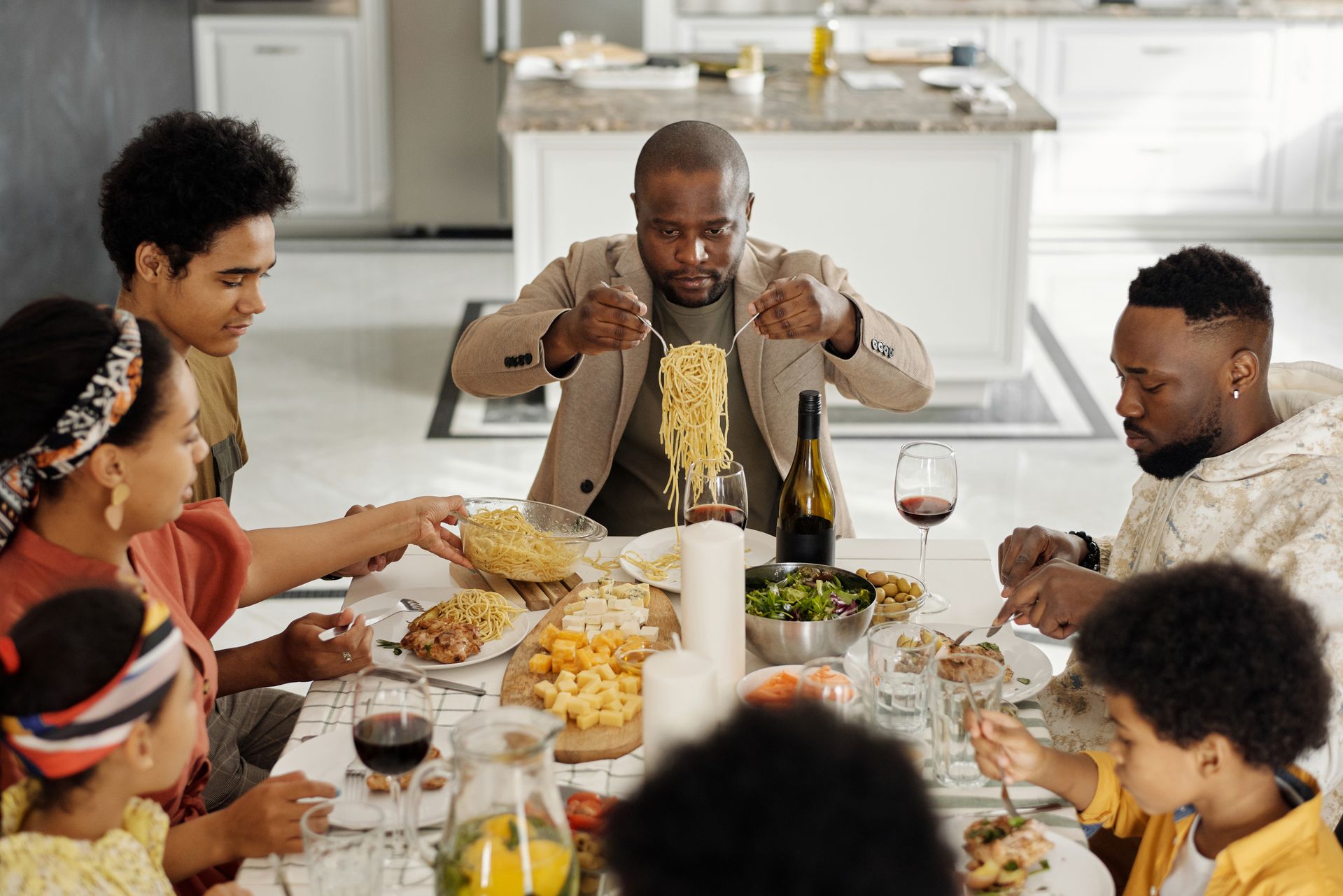
Saving Time During Weeknights
Weeknights can be very busy for both parents and children, as they both have lots of time to spend on their jobs and classes. Having a dinner routine can help save time in these busy weeknights, as it will prevent the family from arguing over what to do after dinner, and instead, it will already show them what they should do next.
It is not necessary to do everything at a furious pace, but it is possible to optimize the time spent by reducing the number of steps during preparation of dinners. Those items which are most demanded may be placed within a convenient area and those which are not required at hand may be stored accordingly. Most needed food products may be stored in such a way that they could be used for cooking of a following day breakfast without additional efforts. As for the cleaning means, they may be stored in a place where they could be found in a necessary moment, for example, dishwasher tablets.
Encouraging Shared Responsibilities
Family eating together can help promote helping out as well as letting everyone know that no one person has to do everything. The whole family can help out with cleaning, so it won’t be as much of a chore for the children or for the parents. This would be much easier for the parents to manage if the children have lots of activities, or if the parents have jobs themselves.
It is unnecessary for every family member to do the same things. Kids my age or younger might not be able to do as much or might just feel like they took on too much. Older kids and parents can feel good about themselves if they do their share and put more work in. And, whoever has more free time that night can do more while others who have to leave immediately after dinner can do less.
Establishing Dinner Habits
A dinner routine can also be effective in developing positive habits at the dinner table. Kids can learn to sit down and wait for everyone to be seated before eating, practice table etiquette, and ask for permission to leave the dinner table. Additionally, families can establish rules about electronics during the meal, such as turning off cell phones or waiting to use them until after the meal. Finally, children can all be required to sit at the table for some time after the meal is over or to assist another family member.
Habits around the dinner table can make the meal more enjoyable for the whole family. By having a routine, the family can all sit down together for a long meal, or, the family can clean up and be done with the meal quickly if someone needs to leave. In this way, the routine can be whatever works best for the family, because the habits just need to be established so that the family has some expectations for dinner time.
Reducing Evening Tension
The predictability and organization of a dinner routine can make life less stressful for children and parents. Everyone knows what has to get done and when and it just makes everything run smoother. Plus, it can really help out the parents and the students who have to do something right after dinner. After dinner, a child can be assured that they will have enough time to get their homework done, practice an instrument or get to their extracurricular activity before bedtime. Same goes for the parents, they can make sure that they’ll have enough time to wrap up work and get home before dinner.
Reducing tensions that erupt around dinner time does not mean establishing a rigid schedule for the whole evening. There has to be some flexibility to accommodate unplanned happenings. In general, a family needs to come up with a reliable schedule for the evening so that everyone can be at ease having a clear understanding yet having the opportunity to change events as they unfold.
Preparing for the Next Morning
In addition to the benefits of having families eat together in the evening, establishing a night time routine helps ensure the family’s morning will also go smoothly. After dinner, everyone can clean up the kitchen and prepare food for the following day’s meals. Leftover food can be put away, dishes can be done, and counter tops can be cleaned so that in the morning, no food needs to be prepared from scratch. This means that everyone can wake up later or have less to do when they do wake up.
The children can all pitch in and help clean up as part of the chores that they need to do that relate to their morning preparations for school. This can help both set up the next day and teach responsibility to the children. The children can be tasked with these things that they would normally have to do for school the next day anyway so they can be prepared for the next day ahead of time.
Conclusion
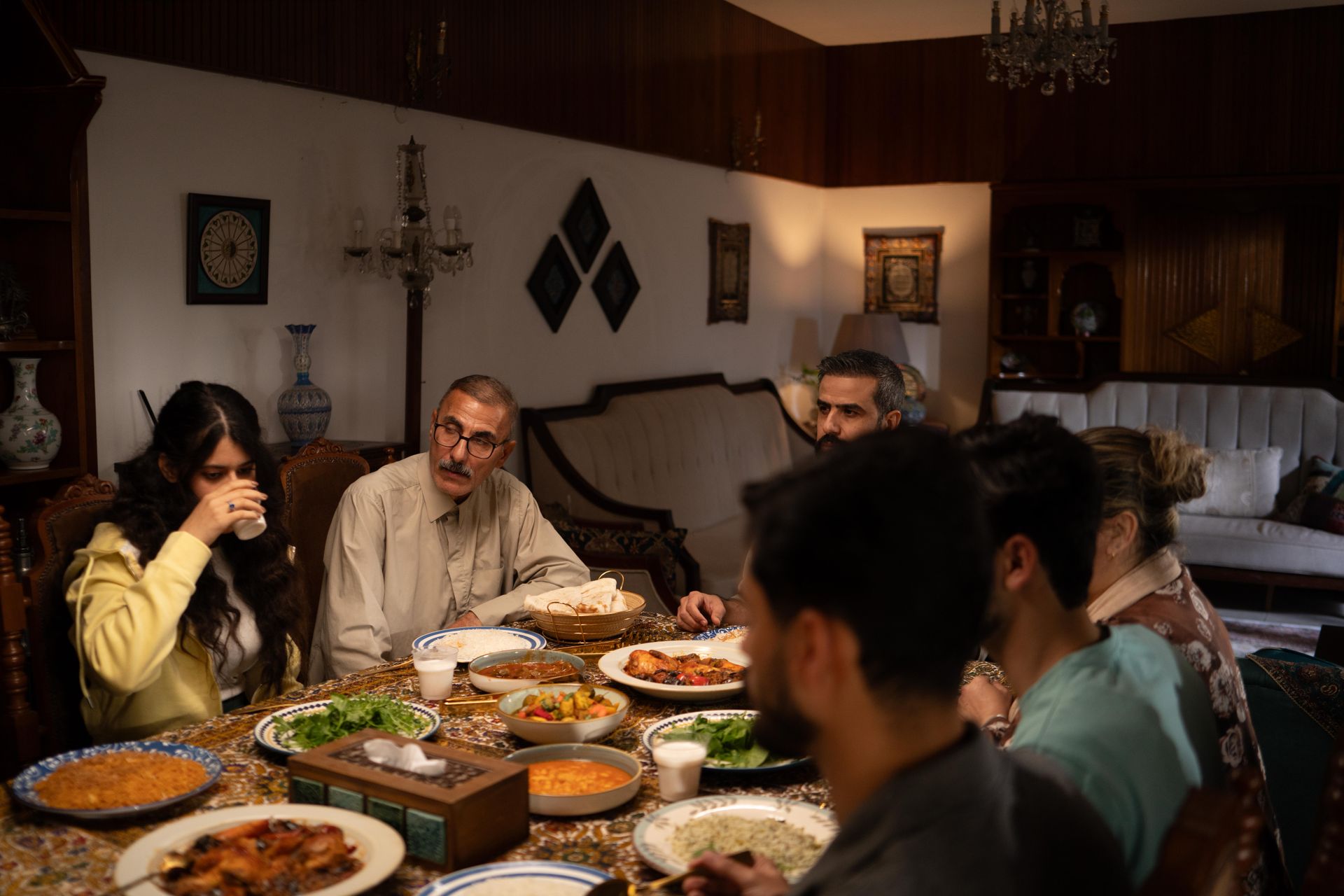
Family dinner routines are very important for a number of reasons. They can help a child develop important skills, give the family structure, and keep the family functioning well. Setting the table, sitting down for meals, clean up, and helping in the kitchen are only some of the things that a dinner routine includes. Through a dinner routine, the family can come together, save time, and make the most of their evenings.