





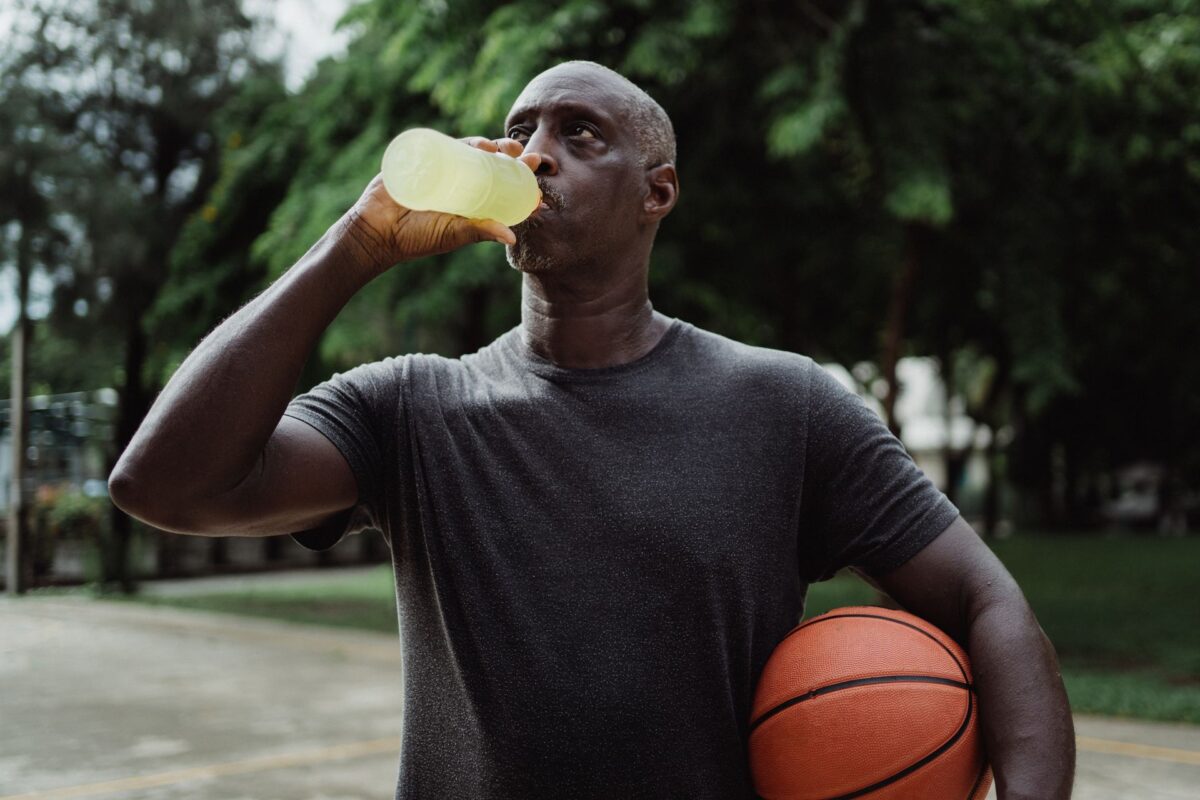

A training household may need a low-sugar electrolyte mix for easy days, a carbohydrate drink for long sessions and a case of familiar bottles for the garage fridge. A sports-focused specialist is the best first stop because its catalog assigns those products to training roles. Walmart and Target are useful for mainstream bottles, while refill programs suit proven powders.
Give each drink one job before comparing stores. Then price the retailer that fits that job, including shipping and any membership cost assigned to the order.
Sports Drink Cost Per Prepared Serving
Powder should be compared by prepared serving, using the amount a household puts into one bottle. Divide the delivered price by the number of bottles the container makes at that concentration. Ready-to-drink products can be compared by bottle or fluid ounce once the formulas serve an equivalent purpose.
Shipping changes the result quickly. A heavy case with a low item price may cost more at the door than a lighter powder order. Charge the entire delivery fee to a small order, while a larger cart divides it across more servings. Membership fees belong in the calculation too. Divide the annual fee across the orders that will use it, then subtract rewards only when the household expects to redeem them.
Flavor testing belongs to the retailer assignment. Use a sample-friendly store for an unfamiliar mix and reserve bulk pricing for a product that already has a fixed place in the weekly plan.
1. The Feed: Best Overall for Athletes
The Feed earns the top spot for a training household because one sports-focused catalog covers daily hydration and longer-session fueling. Shoppers can filter by sodium and carbohydrate level, with separate controls for caffeine and sport-testing status. That organization matters when several people train differently or one athlete uses a light electrolyte drink on easy days and a carbohydrate mix during long rides.
Mixed Hydration Carts
The assortment covers packages from individual servings through tubs. Tablets and liquids widen the options. A household can put several formats into one checkout and reach an order threshold without buying a full case of one drink. This also makes it easier to restock gels or recovery products at the same time.
Frequent small restocks can also receive Feed 1st shipping and Feed Cash across the full nutrition cart. The stronger reason to start here is the hydration organization, which keeps daily electrolytes and long-session fuel in one athlete-specific comparison. Test servings can join the order as needed.
Sampling Before Bulk Orders
Single servings give The Feed an advantage that basic case comparisons miss. A shopper can test taste and sweetness before buying a larger box. Training with the sample also reveals stomach tolerance. This protects the household from paying a low bulk price for servings that nobody finishes.
Sample sizes are also useful when different sessions need different formulas. A mixed cart can combine caffeinated race servings with stimulant-free daily electrolytes.
2. Walmart: Best for Mainstream Bottles
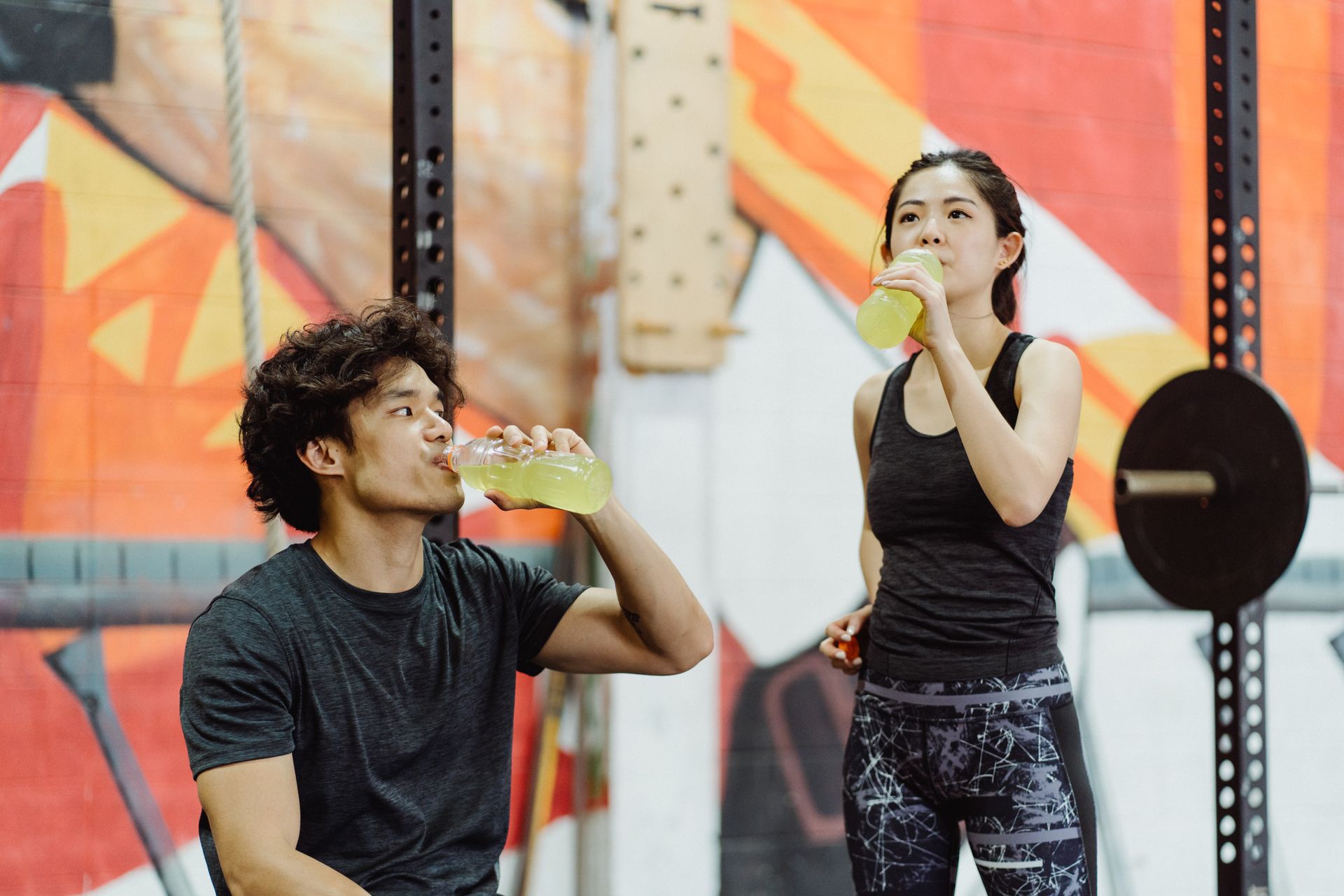
A household stocking a garage fridge can use Walmart to price familiar ready-to-drink brands such as Gatorade and Powerade. Its live deal shelves show bottle and fluid-ounce prices, so same-size cases are easy to compare.
A local store may also provide pickup, avoiding the delivery cost that can erase a case discount.
Large canisters can be inexpensive as well. In September 2026, Walmart listed a Gatorade Thirst Quencher canister at $16.11, while smaller stick packs had higher packaging costs per serving. Buyers should confirm the current price and calculate the number of bottles they will prepare.
Walmart+ can suit households that already use the membership for other groceries. Calculate each fulfillment method on its own before treating shipping as free. Mailed orders and local deliveries use different thresholds.
3. Target: Best for Small Promotional Orders
Target’s September 2026 sports-drink deal page showed 3 Prime Hydration bottles for $5 and 2 Electrolit bottles for $5. These temporary prices can suit a small order when storage space and flavor commitment matter.
The site displays per-fluid-ounce pricing and connects online browsing with store pickup. That makes Target a practical same-day comparison for mainstream drinks. Current multi-buy offers appear with the order.
4. The Vitamin Shoppe: Best for Predictable Refills
Auto Delivery at The Vitamin Shoppe advertises at least 15% off refill orders. Qualifying recurring orders also have a lower free-shipping threshold than ordinary orders, which can improve a small monthly cart when the household finishes the same powder on a steady schedule.
An unwanted automatic refill creates waste immediately, so use Auto Delivery for products consumed consistently. Members of the free Healthy Awards program earn points that convert to cash-back awards. Store pickup adds flexibility when a scheduled order will arrive too late.
5. Amazon: Best for Settled Subscriptions
Once a household has fixed the exact product and flavor, Amazon can make recurring delivery convenient. Pack size must match what it will finish.
Subscribe & Save can reduce eligible orders by 5% to 15%, depending on the offer and the number of subscriptions arriving together.
Grouping routine household products on one delivery date may unlock the higher tier.
The subscription price can change, so each shipment deserves a quick review. Shoppers should also confirm the seller and compare the final per-serving amount with specialist and local-retailer carts. Review the delivery interval separately.
Build a Cheap Sports Drink Cart
Assign Each Drink a Job
Start by listing the weekly sessions that require more than water. For exercise under an hour, cool water is generally adequate. Longer endurance work and heavy sweating can make a sports drink useful, particularly when the drink supplies carbohydrate as well as fluid. Buying a specialty mix for every short workout raises the monthly total without improving the plan.
Sport and exercise nutrition separates daily hydration from long-session fuel. Choose one product for each role and estimate weekly bottles. This keeps a sugar-free electrolyte powder from being compared with a high-carbohydrate endurance mix as though the products were interchangeable.

Calculate the Delivered Bottle Cost
Add the item price and allocated shipping, then subtract a discount that appears in the cart.
Divide that amount by the bottles the package will make at the concentration used at home. Include the annual share of a membership when that order depends on it.
Run the calculation again after two weeks of use.
If a flavor is being skipped or mixed too weak to meet the intended nutrition target, its theoretical unit price is inaccurate. Record the servings prepared at the intended concentration.
The Best Buying Rule for a Training Household
Open The Feed first to build the athlete-specific cart, including any samples needed before a bulk commitment. Send familiar bottled drinks to the Walmart or Target comparison. A proven powder with stable weekly use can move to The Vitamin Shoppe or Amazon refill pricing. Each retailer then serves a defined training purpose.