





Taking a flight, whether domestically or internationally, has become so convenient in the modern world that many people fly almost every other week. But while flying has its conveniences, especially when it comes to reducing travel time, it also means eating airport and airline food quite frequently.
While a good number of people have no qualms about this, others prefer to skip these food options completely. After all, not only are many of these foods loaded with sodium, sugar, and unhealthy fats, but they are also quite costly. Moreover, people with food allergies and intolerances are not always able to find suitable healthy options that are free of cross-contamination.
Luckily, skipping these options does not mean going hungry. With some planning, you can waltz into the airport with your own healthy food and upgrade your flight experience. Let us consider how you can do this.
Rules to Consider When Bringing Your Own Food
As you very well know, airports and airlines adhere to strict standards to guarantee passenger safety. For instance, airlines must ensure their aircraft are structurally sound and thus rely on organisations like Magnetic Engines Services to maintain, repair, and overhaul their engines. But these checks and balances do not just apply to airlines; they also extend to passengers.
As such, you are generally bound to some rules, as follows:
- Gels and liquids. Most airports state that you cannot carry liquids in containers exceeding 100 ml. That means that if you are carrying liquids or gels such as salad dressings and yoghurt, you must limit their container sizes or put them in your checked luggage.
- Solid foods. Most airports will allow you to carry solid foods in your carry-on and checked luggage. Examples include fruits, nuts, bread, etc. However, you will likely need to remove the food from your bag at checkpoints for separate screening. As such, you should pack your food in an accessible manner to speed up these processes.
We should note that when flying internationally, you might need to consume all your fresh food before landing. That is because most countries restrict the entry of fresh foods, such as meat, dairy products, fruits, and vegetables, at their borders. However, you can always confirm the regulations in your destination country to determine whether this is necessary.
How Should You Pack Your Meal?
Given that it could be hours before you get to enjoy your meal, you will need to prepare and assemble it strategically. So, how do you do this?
First, choose low-maintenance foods that will not create a mess, require many utensils, or bother the people around you by taking up their space. It is best to choose foods you can pack tightly and enjoy by hand or with a fork, such as sandwiches or wraps. And when packing dressings and sauces, do so in separate containers.
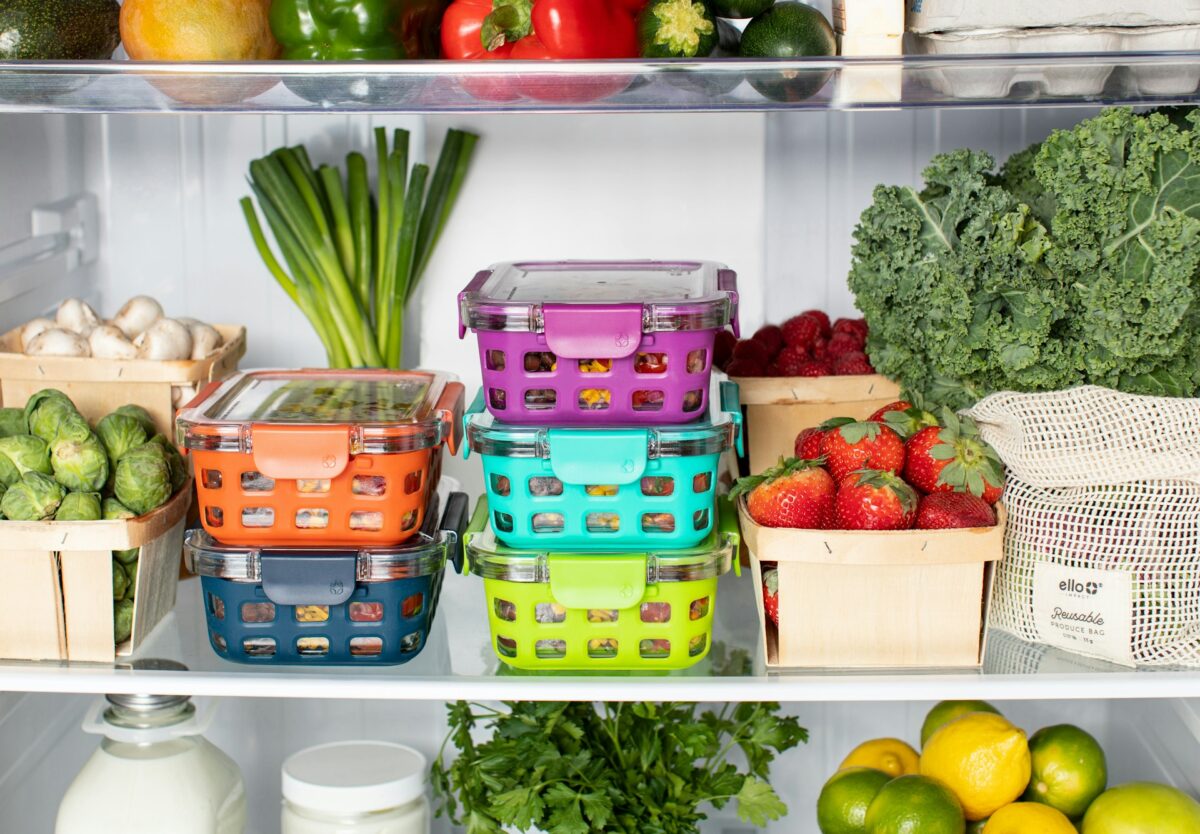
Secondly, go for containers that will not leak food into your bag. And when packing perishables like meats and dairy products, it is advisable to use insulated containers with a reusable ice pack to regulate temperature and keep the food from going bad. Please note that ice packs should be solid when going through security. Otherwise, they might get confiscated during checks for violating the 100 ml liquid requirements.
While this is not mandatory, avoid packing foods with strong, pungent odours that could affect other passengers. Examples include tuna, hard-boiled eggs, or very garlicky dishes. As much as nobody will keep you from eating your food, it is polite to consider others’ experiences on the same flight.
Examples of Good Meal Preps
There is a world of amazing dishes out there that you can take with you on your next flight. But to give you a rough idea of simple meals:
- Turkey or chicken wraps;
-
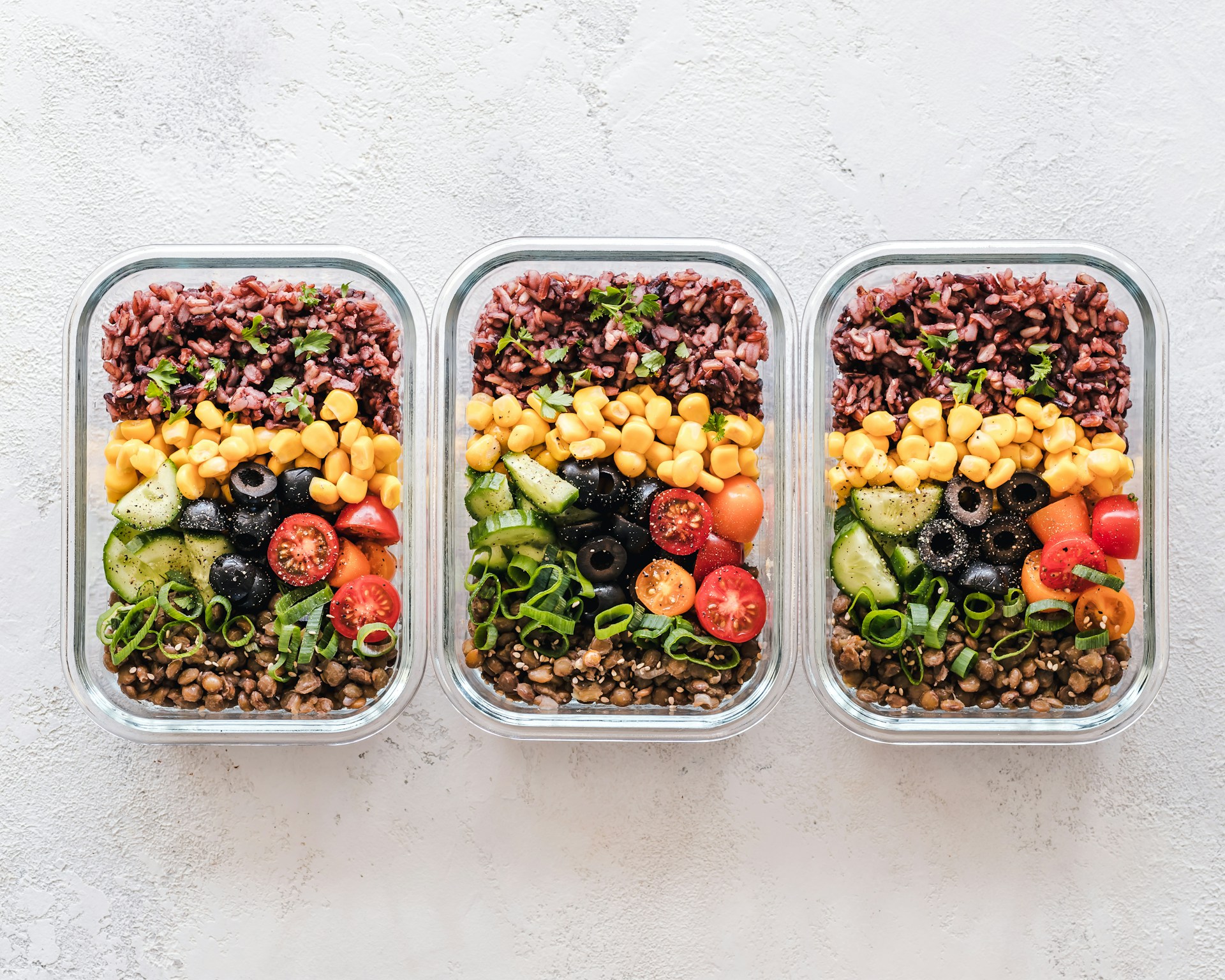
- Roasted vegetable or quinoa bowls;
- Compartment salads;
- Bento boxes;
- Whole-grain toasts.
You can even keep it simple with peanut butter and jelly sandwiches. Of course, you would need to carry the condiments separately!