

A visitor who falls on a Gulf Coast trip usually knows exactly where it happened.
What they almost never know is who owned the ground, and on the Florida coast that question has an unusually messy answer.
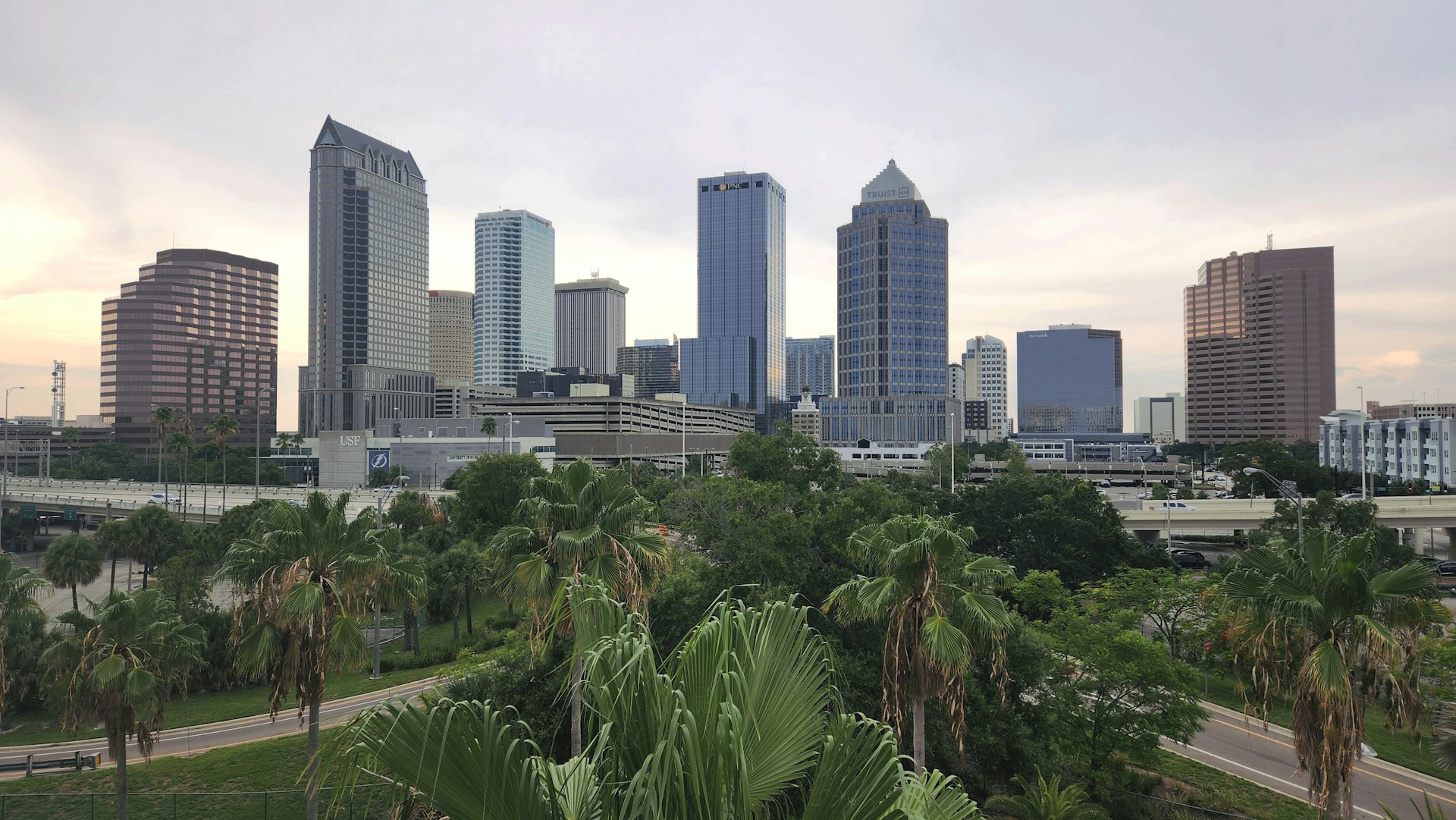
The resort, the condo association, the county and the city can own surfaces within a hundred feet of each other that look identical underfoot. Which one you fell on changes the deadline, the procedure and the maximum you can recover.
The Boundary Nobody Can See
Hotel property stops sooner than guests assume
The pool deck and the lobby belong to the hotel. The dune crossover, the public beach access path, the boardwalk and the sidewalk along the beach road frequently do not. Many are municipal or county assets maintained on a public schedule.
Resort and association land interlocks
Beachfront developments commonly mix hotel parcels, condominium common elements and public easements. A walkway can begin as hotel property, cross an association’s land, and finish on a county access point, with no change in surface to mark it.
Which is why the photograph matters more here
Wide frames showing buildings, signage, bollards, access markers and the road are what later establish which parcel you were standing on. A close-up of a wet tile proves the hazard and nothing about who owed you a duty.
If It Was Public Land, a Different System Applies
Sovereign immunity sets a ceiling
Florida has waived immunity for tort claims against the state and its subdivisions, but only to a point. Under the governing statute, neither the state nor its agencies or subdivisions is liable to pay a claim or judgment by any one person exceeding two hundred thousand dollars, or exceeding three hundred thousand dollars in total for all claims arising from the same incident.
A serious injury on a county boardwalk therefore runs into a ceiling that would not exist on the hotel’s pool deck twenty feet away.
The claim has to be presented in writing first
The same statute requires that before suing, the claimant present the claim in writing to the appropriate agency within three years of accrual, and, except for claims against a municipality or county, also to the Department of Financial Services. A lawsuit filed without that step is exposed regardless of the underlying facts.
If It Was the Hotel, It Is a Regulated Business
Public lodging in Florida is licensed and inspected rather than left to its own devices, and the regulation of public lodging establishments places that oversight with the state division. That produces an inspection history, which is a record a guest can pursue.
According to personal injury lawyer Shaun M. Serelson, Partner and Managing Attorney at RTRLAW, visitor fall claims on the coast are frequently aimed at the wrong entity for the first several months, because the guest reasonably assumes the resort controlled the path they were using, and establishing the actual parcel early is what preserves both the right defendant and the right deadline. Anyone hurt on or near resort property is well served asking a Tampa slip and fall legal help to settle the ownership question before anything else is decided.
The operator may not be the owner
Hotels are routinely owned by one company, operated by a second under a management agreement and branded by a third. The inspection record, the licence and the incident report may each sit with a different entity.
Where the Falls Actually Cluster
The sand transition
Sand carried onto a tiled or painted surface behaves like ball bearings. The hazard is at its worst precisely where people are least cautious, which is the last few steps before a shower or a bar.
Pool decks after an afternoon storm
Surfaces specified for wet use still lose traction once a coating ages, and the degradation is gradual enough that nobody notices until a season after they should have.
Dune crossovers and timber boardwalks
Timber structures in salt air deteriorate quickly. A loose board, a protruding fastener or a missing rail is both the classic public-walkway hazard and the one most likely to sit on government land.
What to Do Before You Fly Home
Report it to whoever is nearest, then work out who it should have been
A hotel incident report costs nothing even if the fall turns out to have been on county land. Where there is genuine doubt, report to both and keep copies.
Get the location to a street address
Photograph the nearest access number, lifeguard tower, street sign or beach marker. Parcel boundaries are resolved from precise locations, and “by the hotel” will not do it.
Ask who maintains it, not who owns it
Maintenance is frequently contracted out, and the company that was supposed to be inspecting a boardwalk or pressure-washing a deck may be a private contractor even where the land is public. That contractor is not protected by the statutory ceiling, which can matter a great deal to the size of a claim.
Treat the written claim deadline as the real one
Three years sounds comfortable until you remember the presentment step has to happen inside it, and nothing can be filed until the agency has responded. Build the ownership answer in the first month, while you can still stand on the spot and photograph it.