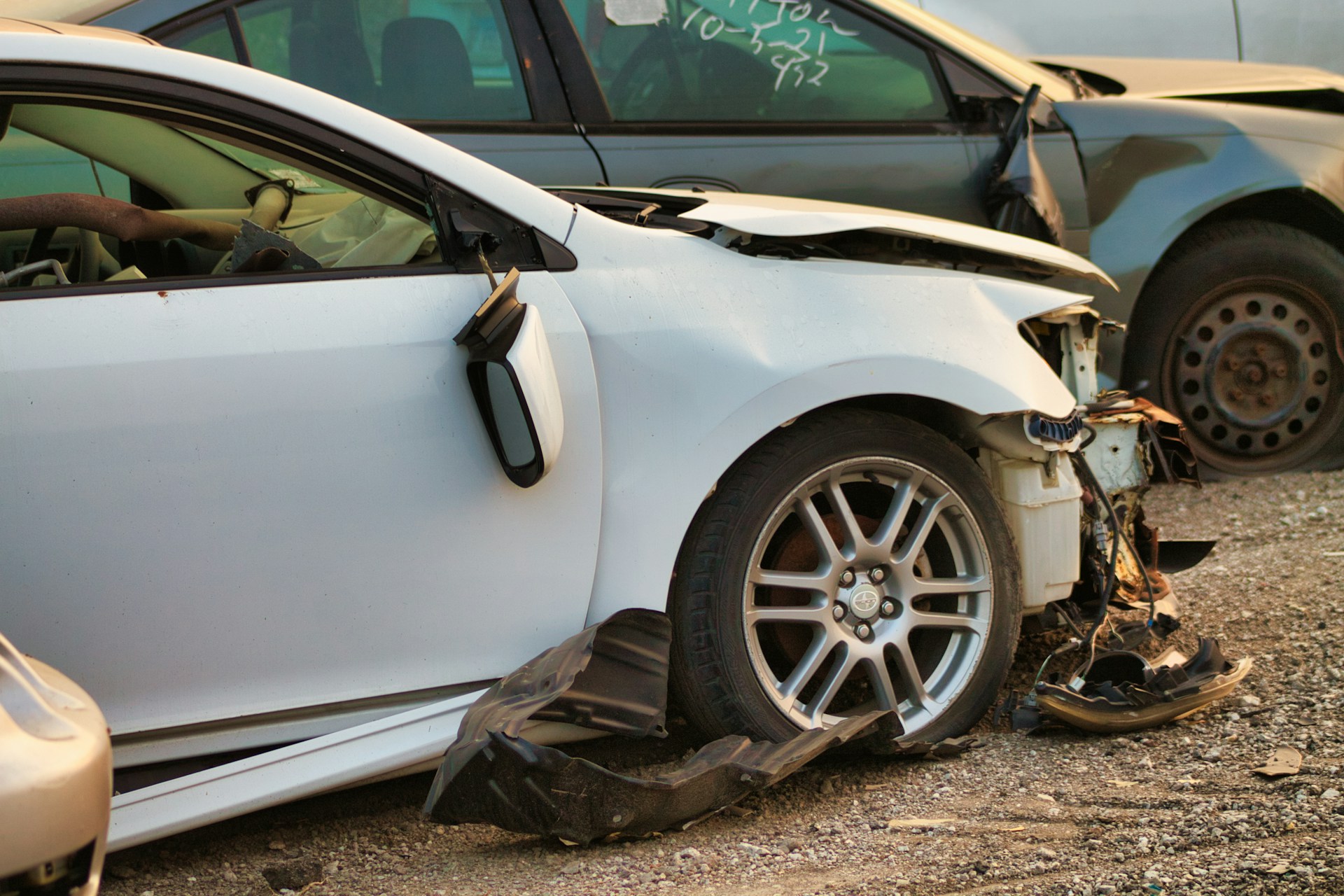



Proving which party is to blame in a car crash in Florida is never as easy and straightforward as it appears on television, where everything is neatly wrapped up at the end of the hour.
But in recent years one gadget has emerged to be a game-changer: the dashcam.

These little cameras, which mount to windshields or dashboards, record what drivers see, or don’t.
That said, in a no-fault insurance state with rules of comparative negligence, your dashcam footage could become a powerful tool in shaping the outcome of a claim.
Here’s a look at how dashcams are affecting fault determinations in Florida crashes.
Provides Clear Visual Evidence
The main benefit of dashcam footage is its ability to provide a visual, real-time record of what actually occurred during the accident. This can help in proving fault in Florida personal injury cases. While written statements and police reports are subject to human interpretation, a dashcam video offers an unbiased, timestamped view of the incident.
Concrete evidence like that can paint a clear picture about the chain of events, such as who turned in front of whom, how fast the vehicles were traveling, and the location of the point of impact.
Also, it allows insurance adjusters and attorneys to see clearly, instead of choosing between disjointed versions of accounts from the scene. In many cases, a Florida accident lawyer can use this footage to build a stronger case and help establish fault more efficiently.
Disproves False Claims
Unfortunately, not all crash participants are honest. Some drivers try to assign blame elsewhere or exaggerate their account of events to shift responsibility or collect a bigger insurance payout. Dashcam recordings can as easily prove false claims by revealing the driver’s actual conduct in the moments leading up to and during the collision.
For instance, if another driver says they had a green light, but footage shows otherwise, their story falls apart.
Supports Eyewitness Testimony
Eyewitnesses can be useful after a crash, but they are not always reliable. People can forget, miss key moments, or have their recollection muddied by stress. That said, footage from dashboard cameras provide a valuable corroboration for these testimonies, or evidence to disprove them.
If a witness tells police that a driver ran a red light, and dashcam footage shows they did, their description gains much more credibility.
Clarifies Traffic Signal Status
An area of frequent dispute in many intersection crashes is the positioning of traffic lights. Without the surveillance footage or witnesses, it can turn into a matter of one driver’s word against another’s.
Dashcam footage can settle the argument instantly. If the camera captures the light turning red just before impact, or shows a vehicle entering the intersection after the light changed, that video can become pivotal in assigning fault.
Such certainty is priceless, especially in a state like Florida, where a portion of the fault can still impact the amount of damages received.
Shows Road and Weather Conditions
Road and weather conditions often play a significant role in fault determination. Slippery roads, pouring rain, and low visibility can all change driving habits and reflexes. A dashcam gives us a brief glimpse of these conditions at the moment of the crash.
This may demonstrate why a driver wasn’t necessarily reckless but was instead influenced by outside elements.
Alternatively, it could show that a driver did not slow down for the conditions, strengthening the case against that person.
Take Away
Dashcam video has been of growing importance in Florida crash cases, where fault can make the difference between an insurance payout and making a payment. It can freeze the truth when words and memory often betray.
By refuting bogus claims and capturing essential information about the drivers’ actions, the state of the road and the light sequence, dashcams are tearing up the rulebook on fault and justice.
In Florida, it could easily be argued that a dashcam is THE BEST investment for drivers to make when thinking about safety and peace of mind on the road.