






A crash involving a company vehicle can become a public relations problem within minutes. Photos, videos, and eyewitness accounts may spread online before the business knows what happened, making it important to consult with a lawyer when serious legal questions arise. Companies should understand how quickly social media can shape public opinion after an incident.
Company Branding Makes the Incident Easy to Identify
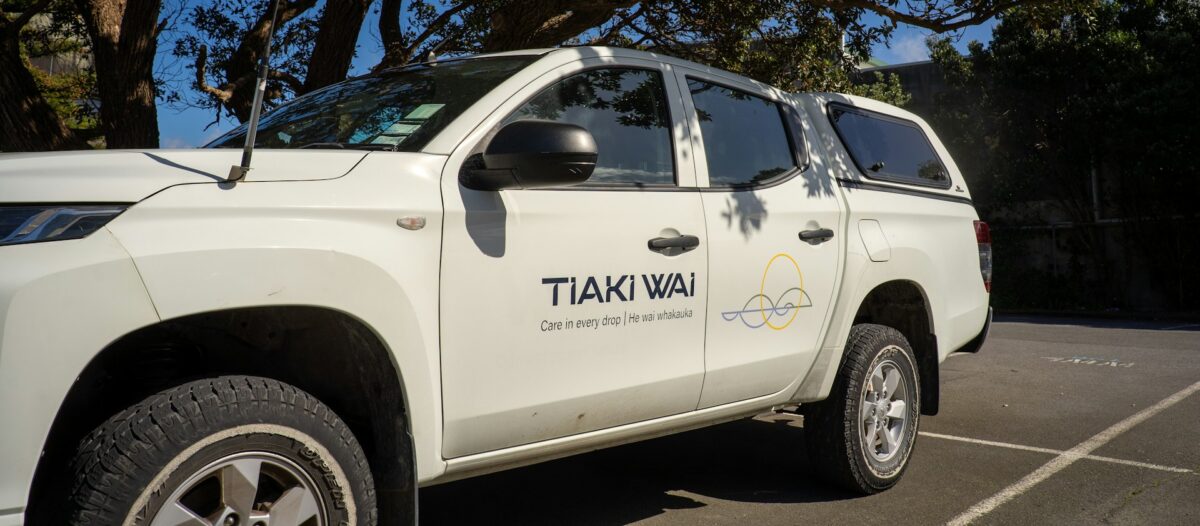
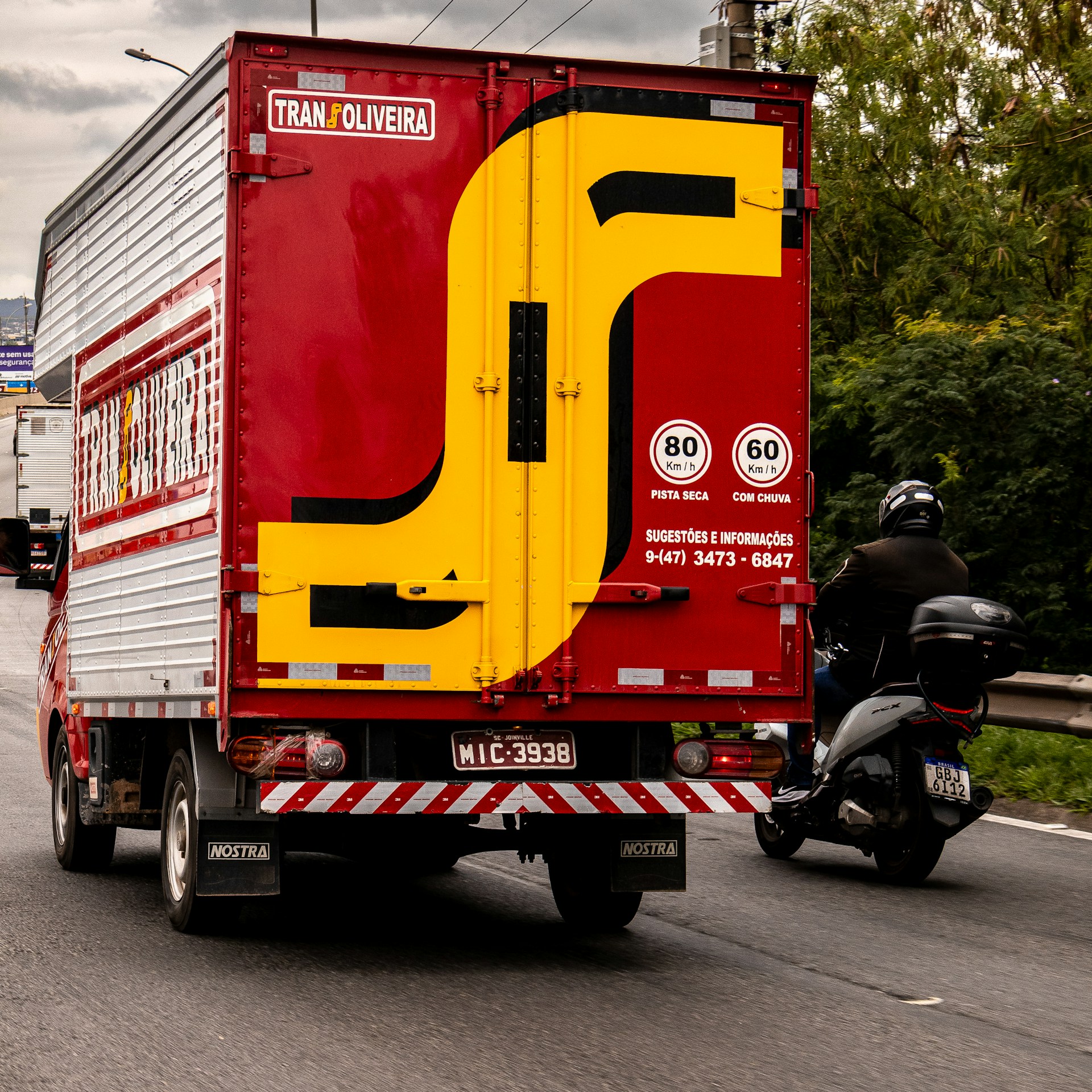
Commercial vehicles often display company names, logos, phone numbers, and other recognizable branding. Anyone who sees an accident can quickly connect the vehicle with the business and post that information online. A single photograph may reach thousands of people before the company has received an official accident report.
People viewing the post may immediately search for the company and leave comments on its social media pages. Some may also post reviews based entirely on what they saw online rather than personal experience with the business. This attention can turn a local traffic incident into a much broader reputation problem.
Videos Can Spread Before Facts Are Known
A bystander can record a company vehicle accident and post the footage online within minutes. The video may show damaged vehicles, upset drivers, or only the moments immediately after the crash. What viewers see may not explain what led to the incident in the first place.
That does not always stop people from deciding who they think was responsible. A few seconds of footage can lead to accusations about the company driver before police or insurers have reviewed what happened. Once those claims are shared across social media, they can be difficult to correct.
Businesses should be careful about responding to every comment or accusation right away. Witness statements, police findings, vehicle information, and nearby camera footage may provide details that were missing from the original post. Waiting until more facts are available can help the company avoid putting out information that turns out to be wrong.
Emotional Posts Can Attract More Attention
Social media tends to reward content that gets people talking and reacting. Posts containing dramatic footage, angry comments, or accusations can attract attention quickly. The discussion may continue even when the original information is incomplete or inaccurate.
People may share the story with their own comments about the company or its employees. Others who had unrelated complaints about the business may join the conversation and bring up past experiences. The result can be a much larger discussion than the original incident would normally create.
Employees should avoid joining these arguments from personal accounts. Even if they want to defend the company, an emotional response can create another screenshot that circulates online. Businesses should decide who is authorized to speak publicly and ask other employees to direct questions to that person.
Silence and Quick Responses Both Carry Risks
When negative posts start gaining attention, a company may feel like it needs to respond immediately. Posting too quickly can cause problems if important details about the incident are still unknown. At the same time, staying silent for too long may give customers the impression that the company is ignoring the situation.
An early response can acknowledge that the company is aware of what happened without guessing about responsibility. The business can explain that it is gathering information and cooperating with the appropriate parties. This approach provides some communication while leaving room for the investigation to continue.
Anything posted publicly should be checked carefully before it goes online. Comments about injuries, insurance, employee conduct, or who caused the incident could become important later. Keeping the response factual and straightforward can help the company avoid creating additional problems.
Employees Can Accidentally Make Matters Worse
Employees may hear about an accident from coworkers, internal messages, or social media before the company has all the facts. Some may want to defend the business or explain what they think happened online. Those comments can cause confusion if the official investigation later tells a different story.
Private conversations are not always as private as they seem. Screenshots of messages, photos from the scene, or comments about the people involved can easily end up online. After a serious incident, it can help to remind employees about company rules for sharing internal information.
Managers should follow those rules as well. Posting personal opinions about the driver, another motorist, or an injured person can create additional problems. Internal discussions about the incident should remain focused on gathering accurate information and handling necessary business responsibilities.
Prepare Before an Incident Happens
Businesses that operate vehicles should have a communication plan before a serious accident occurs. The plan can identify who handles media questions, social posts, employee communication, and insurer contact. Clear responsibilities can prevent several people from releasing conflicting information.
Companies should also have procedures for preserving records after an incident. Vehicle data, photographs, employee reports, schedules, and relevant communications may all become important. Keeping these materials organized can support both the investigation and any later response.
Final Thoughts
Social media can turn a company vehicle incident into a public controversy before all the facts are available. Businesses should preserve important information, communicate carefully, and consult with a lawyer when legal concerns could affect how they respond. A calm and organized approach can help the company address both the incident and the public attention surrounding it.