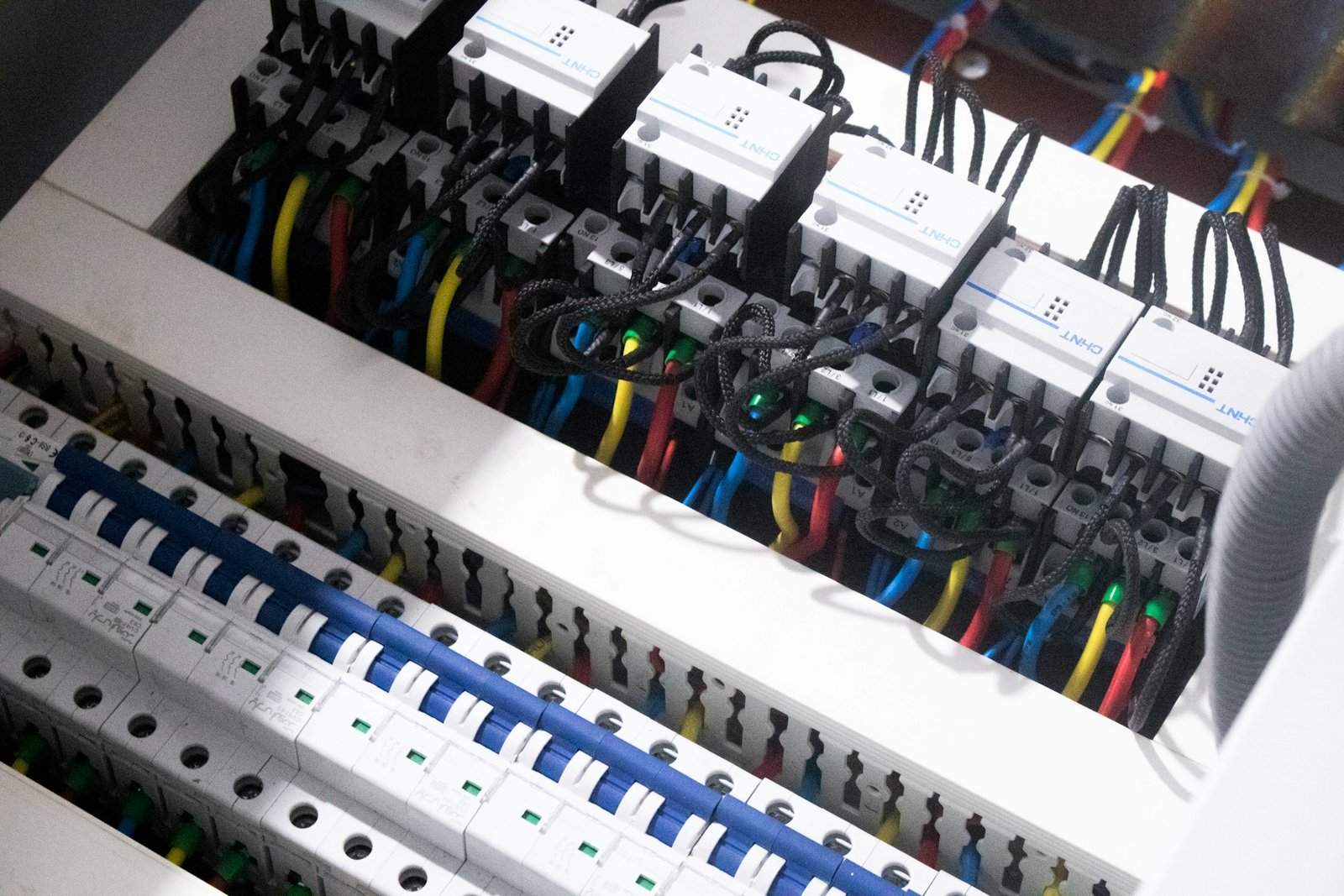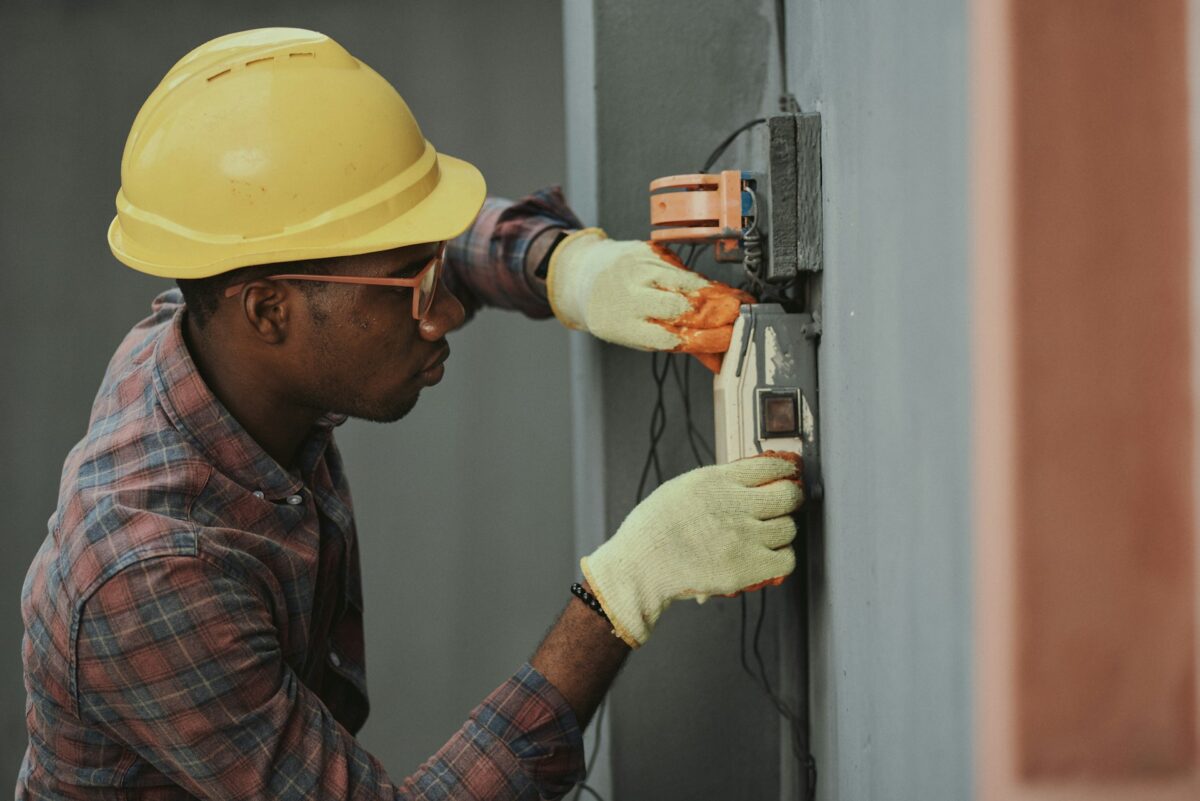

You cannot rely on one tester for every electrical task.
Diagnosing a faulty circuit, checking a new installation and confirming safe isolation demand different measurements and safeguards.
Choosing the right test equipment involves understanding what you need to measure, the electrical environment and the level of accuracy required. Matching your tools to these conditions helps you obtain reliable readings while managing electrical risks.
Match the Instrument to the Measurement
Start by identifying whether you need to measure voltage, current, resistance or continuity. A digital multimeter handles several common electrical measurements, while a clamp meter measures current without opening the circuit. Choosing between them depends on the fault you are investigating and the access available.
The distinction becomes clear when comparing ranges such as Fluke multimeters and test equipment, where different instruments serve different testing requirements. A multimeter may suit general voltage and resistance checks, whereas a clamp meter is often more practical when assessing the current drawn by operating motors or other electrical loads.
Check the Electrical Environment and Safety Rating
Assess where the measurement will take place before selecting your instrument. Testing a socket outlet, distribution board or service entrance involves different levels of exposure to electrical transients. Under IEC 61010, measurement categories (CAT ratings) identify the environments that instruments are designed to withstand.
CAT III typically applies to fixed electrical installations and distribution equipment, while CAT IV covers supply origins and service entrances. You should check both the CAT rating and voltage rating of your instrument, including its probes and leads. A high maximum voltage range does not automatically make a tester suitable for every installation.
Select Specialist Testers for Specific Checks
Some electrical checks require dedicated instruments rather than a general-purpose multimeter. A continuity tester helps verify electrical connections, while an insulation resistance tester assesses insulation integrity by applying a specified test voltage under appropriate conditions.
When checking residual current devices (RCDs), an RCD tester can assess operating characteristics, including trip times. Confirming that a circuit is de-energised requires a suitable contact voltage tester and an appropriate verification procedure. Non-contact voltage detectors may assist with preliminary checks but should never be your sole method of proving a circuit safe to touch.
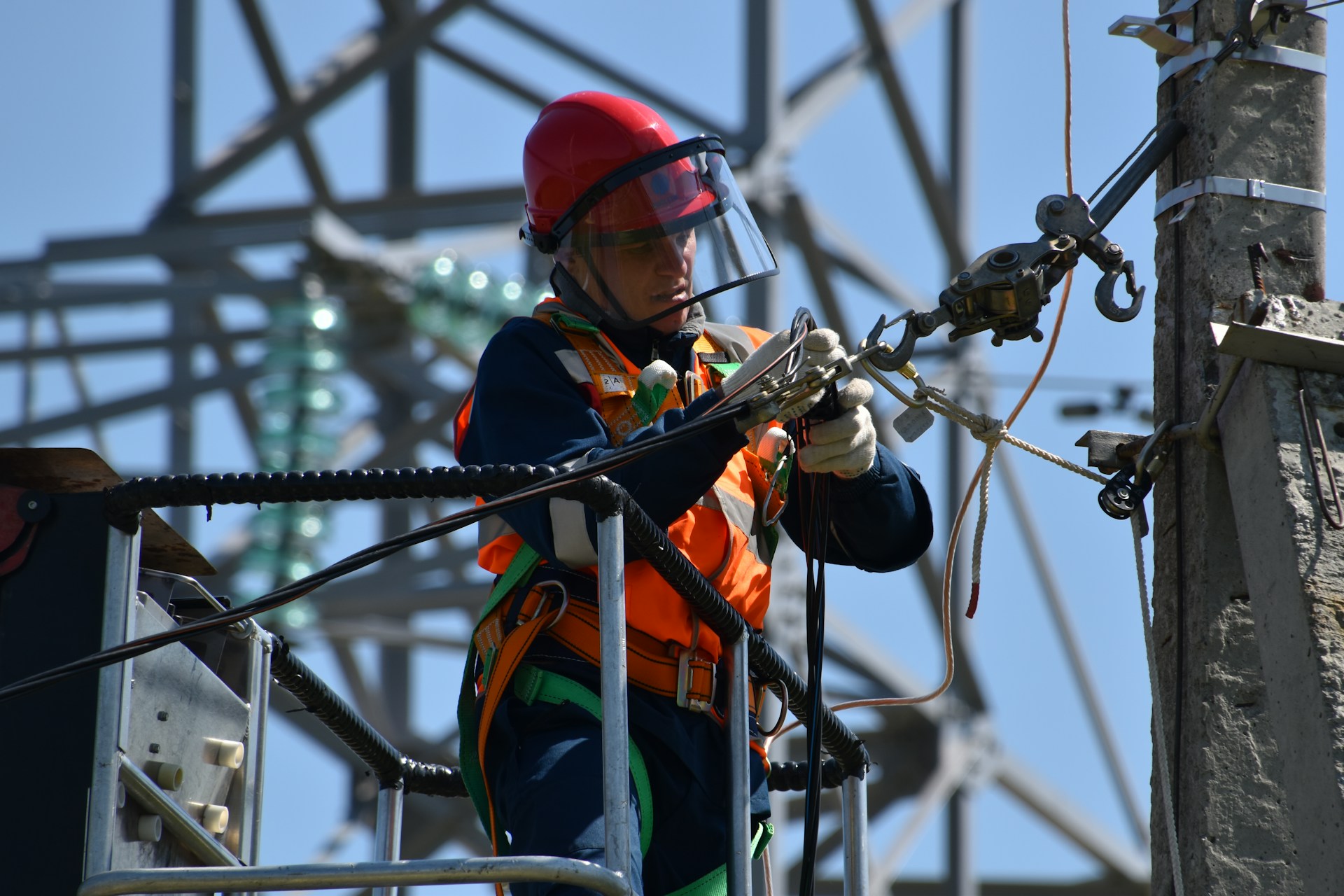
Consider Measurement Accuracy and Test Conditions
The accuracy and features you need depend on the electrical characteristics being measured. Routine voltage checks may require straightforward readings, while troubleshooting electronically controlled equipment can demand true RMS measurement for distorted AC waveforms. Functions such as inrush current capture may also help investigate motor starting conditions.
Consider the physical working environment as well. Confined switchboards may require compact probes and readable displays, while outdoor jobs may demand greater resistance to dust, moisture and impacts. Your equipment should meet the measurement requirements without compromising accessibility or safe operation.
Verify Equipment Condition Before Testing
Even a correctly specified instrument may produce unreliable results when its leads, connections or internal components are damaged. Inspect probes, cables and input sockets before use, and confirm that batteries, protective fuses and any applicable calibration requirements are satisfactory.
When proving a circuit de-energised, follow the required safe-isolation procedure. Check the voltage tester against a known live source or suitable proving unit before and after testing the circuit. You should also confirm that the selected settings and connections match the measurement being performed, particularly when switching between voltage, current and resistance functions.
Reliable Testing Begins With the Right Equipment
Matching test equipment to the job means considering the measurement, electrical environment, instrument capabilities and safety requirements together. A tool with numerous features is not necessarily the most suitable option for every task. By selecting instruments that address the specific conditions you encounter, you can improve measurement reliability, support accurate fault diagnosis and carry out electrical testing with greater confidence.