


Every home has one room that quietly absorbs more wear than any other, and in most cases it is the bathroom.
It runs hot and cold water several times a day, holds steam for long stretches, and takes constant foot traffic on a floor that is almost always slightly damp.
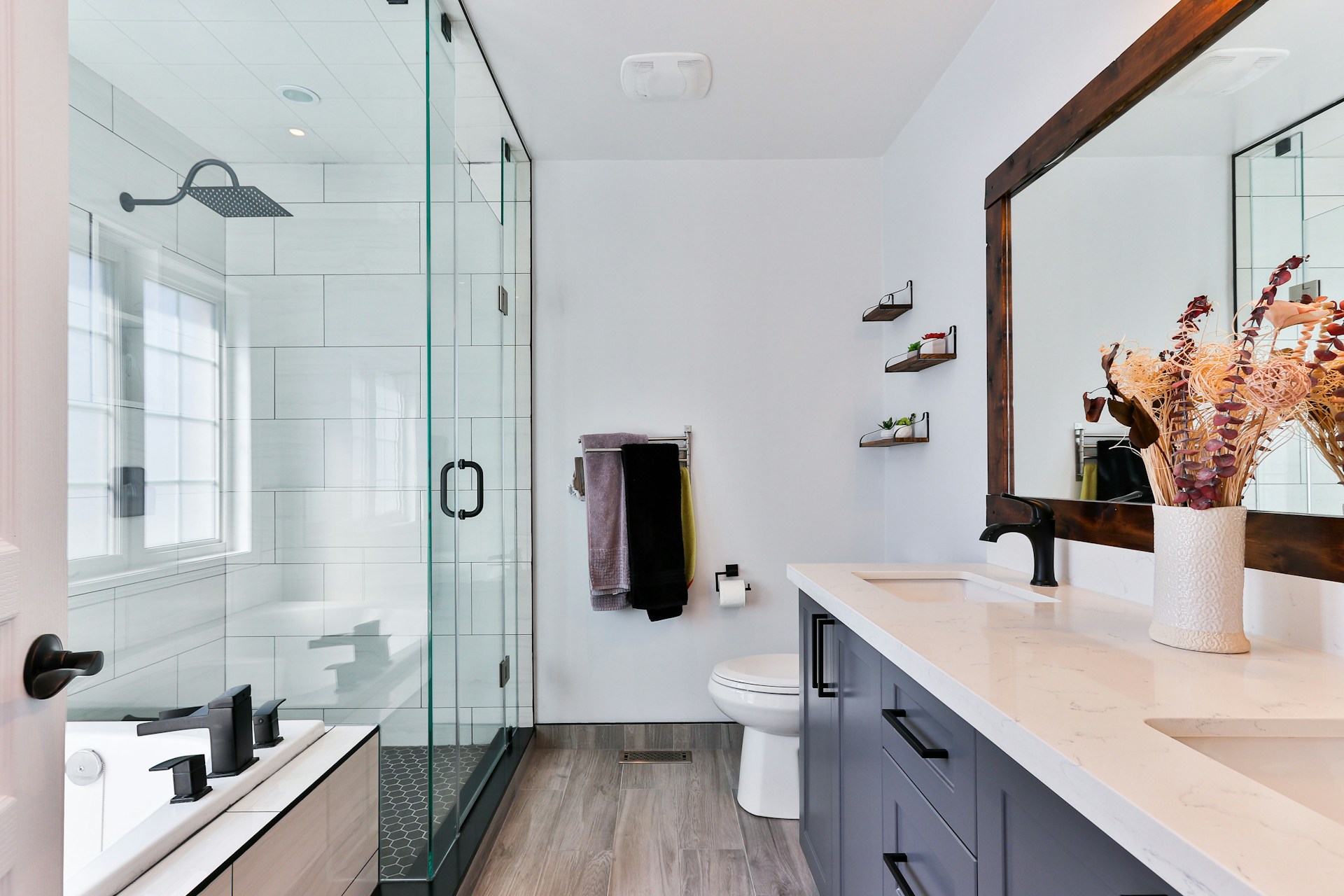
Because the damage builds slowly, it is easy to look at a tired bathroom and assume a fresh coat of paint, new towels, and a modern mirror will bring it back to life.
Sometimes that is true. Often it is not, and the surface treatment simply hides a problem that keeps growing underneath. Knowing the difference saves money, prevents damage to the rest of the house, and spares you from redoing the same work twice. The signs below are the ones worth paying close attention to.
When Surface Fixes Stop Working
Most homeowners reach for the simplest solution first, scrubbing harder, resealing edges, and replacing small fittings in the hope that the room will feel new again. Remodeling tends to get pushed down the list because people picture weeks of noise, dust, and a household living without one of its most used rooms. In reality, a properly planned bathroom project handled by an experienced team is far quicker and far less disruptive than most people expect.
Homeowners who want the space corrected at its source rather than patched for another season should get in touch with bathroom remodeling company to discuss their ideas and a result that finally holds.
Moisture That Keeps Coming Back
A stain that returns after you have cleaned it is not a cleaning problem. When dark patches reappear along the base of the wall, in the corners of the shower, or around the tub, water is getting somewhere it should not be and staying there.
The same goes for a musty smell that lingers even after the room has dried out. Paint and sealant can cover these marks for a few weeks, but the moisture behind them continues to work on the materials it touches. Left alone, it softens wallboards, loosens adhesive, and creates the damp conditions where mold takes hold.
Plumbing Problems That Repeat
One slow drain is routine. A drain that slows again every few months, a toilet that rocks slightly, a faucet that drips no matter how many times it is serviced, or water pressure that drops without explanation suggests older pipework that is reaching the end of its working life.
Repeat repair visits for the same fixture add up quietly, and each one buys a little more time rather than solving anything. When several fixtures in the same room start behaving badly within a short period, the issue is usually the system serving them, not the fixtures themselves.
A Layout That Fights You Every Morning
Some bathrooms are in sound condition and still fail the people using them. A door that bumps the vanity, a shower you have to turn sideways to enter, a sink with no usable space beside it, or storage so limited that everyday items live on the floor are all design faults rather than maintenance faults. New paint will not create room where there is none.
If two people cannot use the space at the same time, or if the arrangement forces the same small frustration on you every single day, the layout itself is the problem, and no amount of surface work will change it.
Ventilation That Cannot Keep Up
Watch the mirror after a hot shower. It should clear within a reasonable time once the fan is running and the door is open. If it stays fogged for a long stretch, if the walls stay wet to the touch, or if paint peels near the ceiling, the room is not clearing steam fast enough.
Poor airflow is one of the most common reasons bathrooms age badly, because every shower leaves behind moisture that never fully escapes. Over time, that trapped damp works on paint, wood, fittings, and the ceiling above.
Fixtures Past the End of Their Useful Life
Bathtubs and shower bases wear out. Surfaces that once felt smooth turn rough and chalky, chips appear along the edges, and stains settle in no matter how you clean. A tub that flexes when you stand in it, a shower base with a hairline crack, or fittings that are visibly corroded have reached the point where cleaning products and refinishing kits only buy a short reprieve.
Older fixtures also tend to be harder to clean, which makes the whole room feel dated even when everything around them is spotless.
Safety Concerns for Older Family Members
A bathroom that suited a household ten years ago may not suit it now. High tub walls, slippery floors, poor lighting, and nothing sturdy to hold on to become real hazards as mobility changes. This is one of the clearest cases where appearance is beside the point.
If anyone in the house hesitates before stepping into the tub, relies on a towel rail for balance, or avoids using the room without help, the space needs changes that go well beyond how it looks. Safety issues rarely improve on their own, and they tend to become urgent at the worst possible moment.
What to Do Once the Signs Add Up
One sign on its own is usually manageable. Three or four together almost always means the room is failing beneath the surface, and the most expensive approach at that point is to keep spending small amounts on fixes that do not last. Start by writing down everything you have repaired in that bathroom over the past two years.
If the same items appear more than once, you already have your answer. Look at whether the room is holding water where it should not, whether the floor and walls feel solid, and whether the space actually works for the people using it today.