




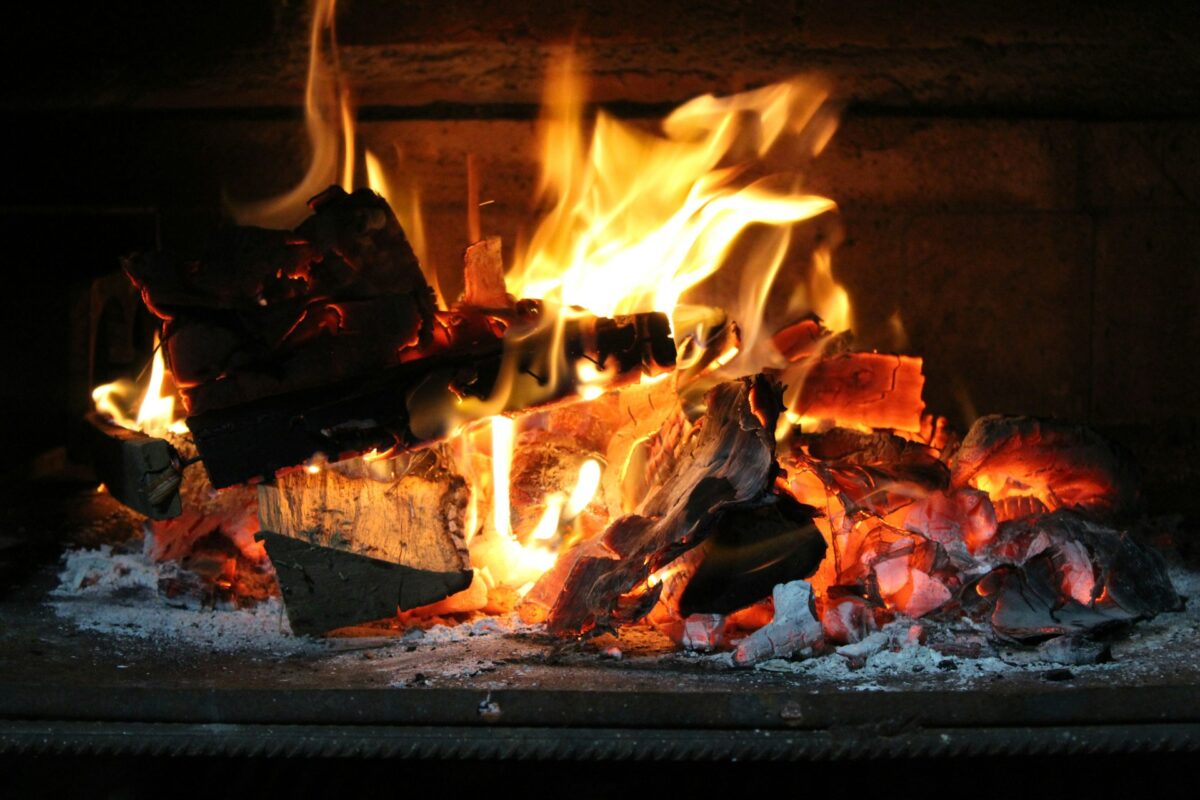

If your wood fireplace has quietly become a chore you schedule around, you’re in the right place. The interesting part of the switch isn’t the flame. It’s the math, the mess, and the winter weekends you get back.
You don’t have to guess at any of this. Homeowners who learn how to convert fireplace to gas usually find the decision gets simpler once they see what a wood fire actually costs to run. So let’s run it.
What a wood fire actually costs you
Nobody budgets for firewood the way they budget for a gas bill. That’s the trick of it. The expense hides in small, repeated purchases: a cord here, a bundle at the grocery store there, a chimney sweep every season, and the occasional replacement for a cracked grate or a warped screen.
Then you add the invisible line items. An open masonry fireplace pulls heated room air up the flue and sends it outside, which means your furnace works harder in the exact hours you’re trying to relax. You pay twice: once for the wood, once for the heat that leaves through the chimney. I’d argue that’s the single most expensive habit in most living rooms, and almost nobody notices.
Storage is a cost too, just not one on a receipt. Wood needs a dry place, off the ground, covered but ventilated. A tarp in the yard doesn’t do it. Half the fires I built in my twenties hissed and smoked because the wood was wet, and I blamed the fireplace instead of myself.
The case against gas is weaker than it used to be
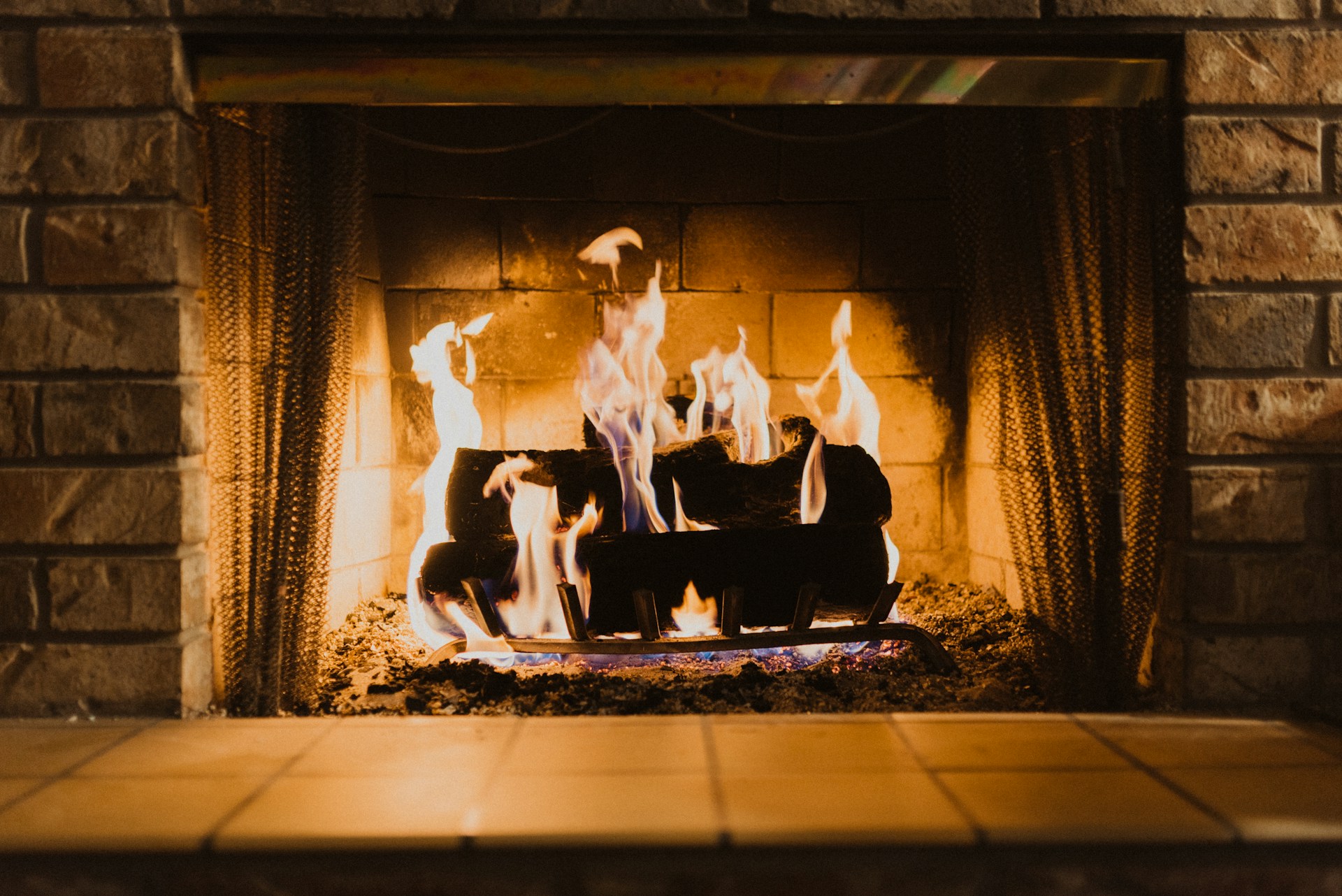
Plenty of people still picture a gas fireplace as a row of fake logs with a blue flame and no warmth. That was fair twenty years ago. It isn’t now. Modern inserts produce visible flame, realistic log sets, and enough radiant heat that you can sit a few feet away in January without a blanket stacked on your lap.
The control story is the part that sells people. A wall switch, a remote, or a thermostat, and the fire is on. No kindling, no newspaper, no crouching on the hearth with a lighter at 6 a.m. If you’ve ever wanted a fire before a dinner party without smelling like smoke when guests arrive, you already understand.
Three questions to ask before you commit
Here’s my Hearth Reality Check, the three questions I’d put to anyone sitting on this decision. Work through them in order, because each one can end the whole project.
- Does your chimney work? A wood-to-gas conversion typically uses the existing masonry chimney as a pathway for a direct vent system. If the flue is sound, the switch is usually straightforward. If the chimney needs relining or repair, that cost lands on top of the insert.
- What fuel can you get to the house? Natural gas is the easy answer in most city lots. Rural homes usually run on propane, which means a tank and a delivery schedule. Neither is a dealbreaker, but they price out differently.
- How big is the room, and how much heat do you actually want? A small insert that’s oversized for the space runs too hot and cycles on and off. Match the unit to the room, not to the biggest model on the showroom floor.
If you answer those three honestly, you’ll know whether you’re installing a fireplace insert or starting a much larger renovation. Most people, in my experience, are closer to the first.
So what does the switch cost?
You’re looking at a few thousand dollars installed, and the range is wide because the unit, the venting, the face trim, and any chimney repair all move independently. The way to read a quote is line by line, not by the total. Ask what’s included in venting and what happens if the chimney inspection turns up a problem.
Compare it against what you’ve already spent. Take your last three years of firewood, sweeps, and the extra furnace load, add them up, and you’ll probably find the number is less comfortable than you expected. Now spread the installation cost over the fifteen or twenty winters you’ll likely use it. That’s the real comparison.
One bit of context worth knowing: the Environmental Protection Agency has spent decades tightening standards on wood smoke and indoor air quality, and that trend has pushed more households toward cleaner-burning appliances. It’s a slow shift, but it’s steady. If you plan to stay in your house a while, the direction of travel matters.
Safety is not a reason to skip a fireplace, but it is a reason to plan
Gas is simple to operate, and that simplicity can make people careless. A converted fireplace still needs clearances to combustibles, a working carbon monoxide alarm nearby, and annual servicing by someone who knows what they’re looking at. The National Fire Protection Association publishes the baseline guidance most local codes lean on, and it’s worth a read before you hang anything above the mantel.
What changes the winter after
The furnace doesn’t have to carry every cold evening anymore, because the insert heats the room it’s in rather than sending warmth up a chimney. The pile in your driveway disappears, and with it the tarp, the splitting, and the ash bucket. Your living room stops being a work site.
There’s also a more subtle change. You start using the fireplace on a Tuesday, not just on holidays. That’s worth more than it sounds. The National Institute of Standards and Technology has documented how much fireplace design affects how heat actually reaches people in a room, and the short version is that a modern insert is engineered for occupants, not for looks.
Who should just keep the wood fire
Some people genuinely love the ritual of the wood fire, and I wouldn’t talk them out of it. If chopping and stacking is your version of a good Saturday, a gas insert will feel like giving up a hobby. If your fireplace is decorative and rarely lit, spend the money somewhere else.
But if you’re lighting fires at your inconvenience instead of your enjoyment, the switch pays you back in weekends. That’s the trade. Not warmth for warmth, but chores for time with the fire already lit.
Count what a season of wood fire actually costs you, and then decide. And if your chimney is the wild card, get it looked at this month while scheduling is easy, because the inspection is what tells you which version of this project you’re actually buying.