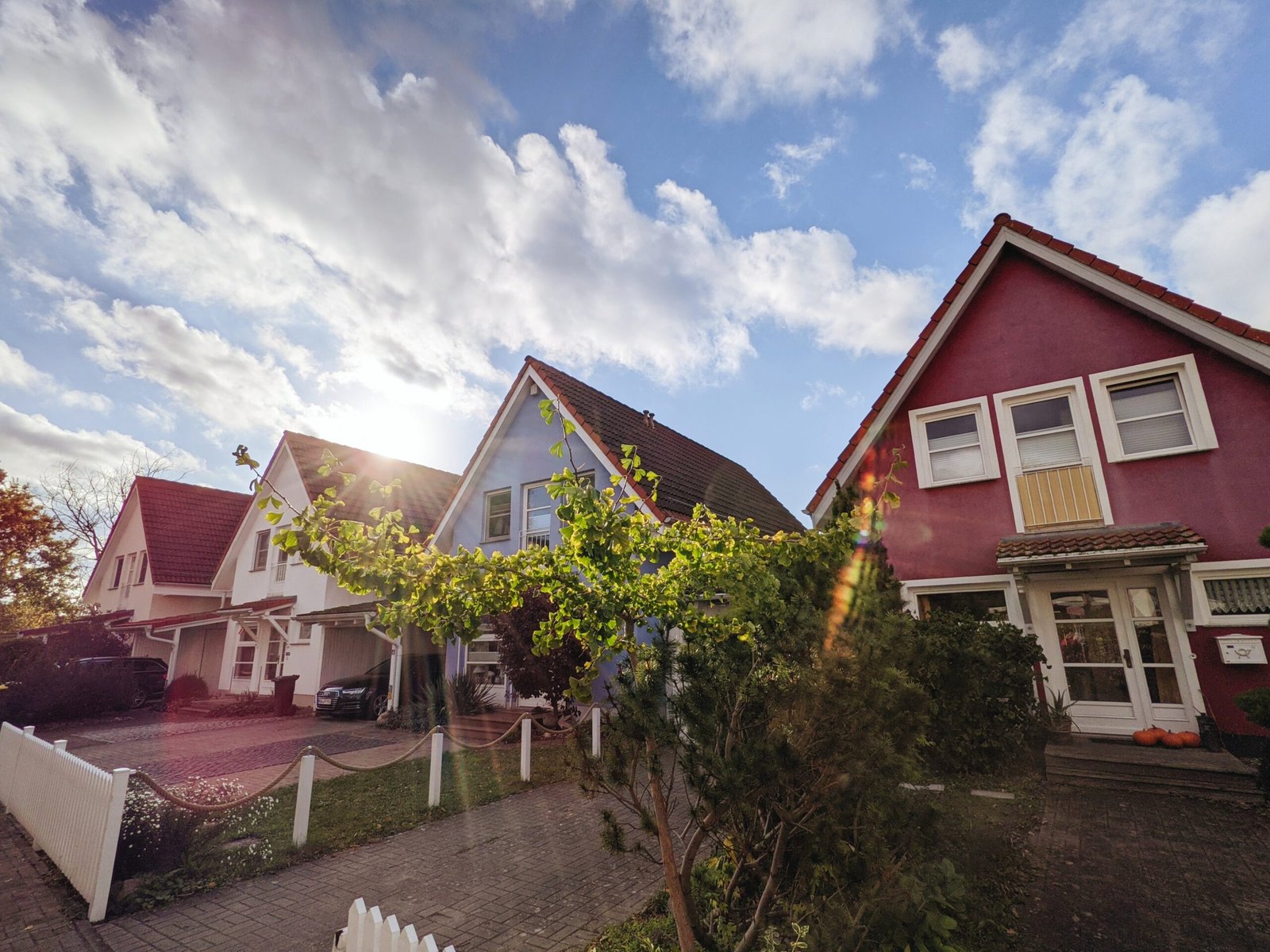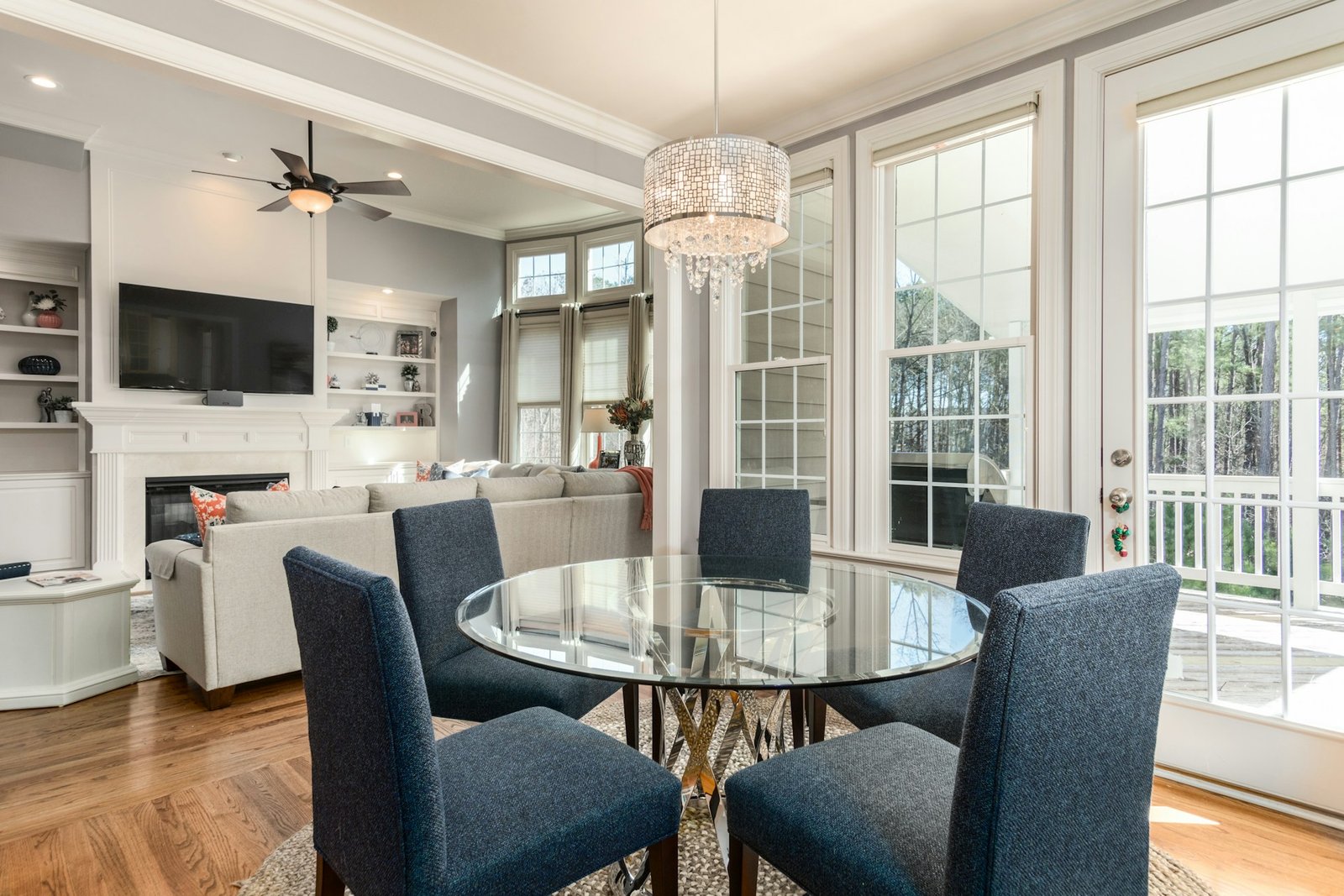






Property photos shape first impressions before buyers read square footage, school zones, or tax notes. That early glance carries weight because online shoppers compare rooms quickly and discard weak galleries even faster. Generic editors can improve a file, yet listing work asks for a narrower standard. Purpose-built tools support straight lines, balanced light, accurate color, and repeatable output across full property sets, where speed and consistency directly affect interest.
Listings Move Fast
A typical shoot may include mixed bulbs, reflective counters, dim hallways, and bright window pulls, all within one delivery cycle. In that environment, real estate photo editing software earns its place because editors need fast access to perspective fixes, exposure recovery, and batch consistency. Generic programs can complete those jobs, but they often require extra panel changes and more manual cleanup across twenty or thirty related frames.
Lighting Stays Complicated
Indoor property photography rarely presents one clean light source. Morning sun, recessed cans, and decorative fixtures often collide in the same room. Broad editors offer strong controls, yet the path can feel scattered during repeated correction work. Listing-focused platforms place white balance, highlight restraint, and shadow lift in a tighter sequence, which helps retain wall tone, cabinet detail, and believable surface color.
Vertical Lines Build Trust
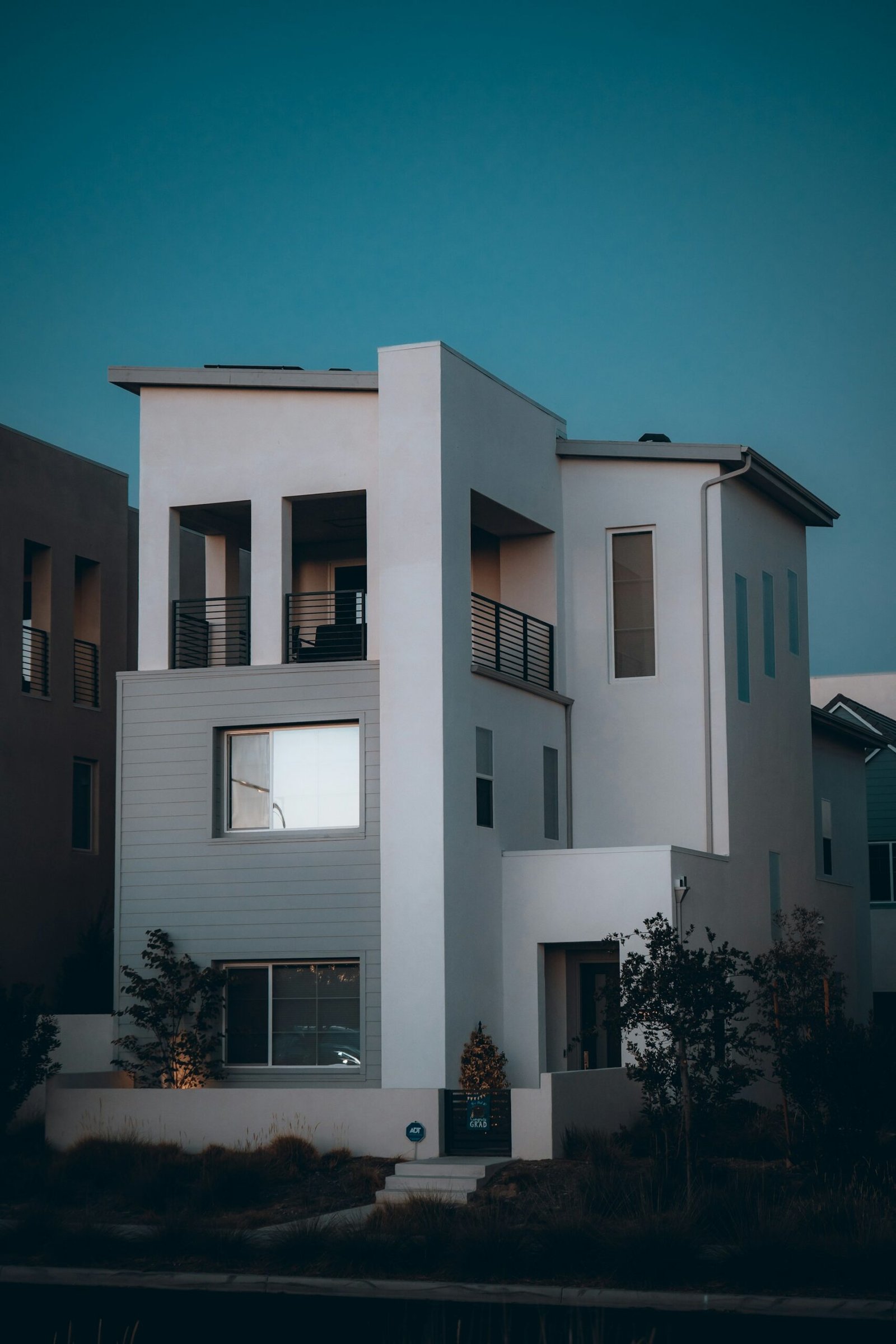
Leaning walls create visual doubt, even when the room itself is sound. Buyers may not name the flaw, though they still sense distortion. General software can correct perspective, but the feature often sits several steps away from crop and lens settings. Property-centered tools bring those controls closer together, so editors can square door frames, level counters, and preserve realistic proportions before making tonal refinements.
Window Views Need Balance
Bright glass remains one of the hardest parts of a property gallery. Exterior detail disappears fast, while interior tones flatten into murky gray if handled poorly. Generic tools can solve that issue, though repeated masking slows production. Real-estate-specific platforms often simplify view recovery, sky cleanup, and exposure blending. That helps maintain edge accuracy around trim, furniture, and curtains without creating an artificial look.
Consistency Wins More Than Flair
A strong gallery should feel cohesive from the first frame to the last. Buyers notice visual drift when one bedroom appears cool, the next warm, and the kitchen overly bright. Generic editors support presets, yet property sets usually need room-aware adjustments and sequence discipline. Software built for listings makes it easier to copy reliable corrections, then adjust exceptions without rebuilding each image from the start.
Speed Affects Revenue
Turnaround time influences cost control, scheduling, and listing performance. A delayed gallery can miss a prime posting window and reduce early buyer attention. General editors ask teams to repeat the same clicks across common jobs, which adds friction during busy weeks. Specialized platforms reduce that movement. Over dozens of shoots each month, those saved actions become measurable labor savings and faster release times.
Quality Control Gets Easier
Property marketing depends on credibility as much as polish. Floors should look clean, yet grain must remain believable. Grass may look healthier, but saturation must not drift into fantasy. Listing-oriented software often guides common enhancements within practical limits, which helps reduce heavy-handed results. That matters for agencies and photographers because revisions consume time, weaken trust, and can create disagreement over whether a room still looks truthful.
Training Becomes Shorter
New editors learn faster when the tool matches the assignment. Generic programs assume many image categories, so the interface spreads attention across portrait, product, and layout tasks. Property software narrows the workflow to what listing teams actually face each day. Managers can teach straightening, exposure balance, window handling, and gallery consistency in one path, which reduces errors during onboarding and supports steadier production quality.
Volume Changes the Equation
One polished hero image proves little during real listing production. The real test comes when thirty files need a clean, consistent finish before the deadline closes. Generic editors remain useful for occasional assignments, especially when a photographer handles only a few homes each month. Daily property volume changes the calculation. Specialized systems usually produce stronger galleries with less fatigue, fewer repeated steps, and better delivery discipline.

Better Workflow, Better Decisions
The biggest advantage is operational focus. Editors spend less time searching menus and more time judging ceiling tone, window pull, flooring texture, and fixture color. That shift improves outcomes because attention stays on image quality rather than interface friction. Teams handling frequent listings benefit most. Small time savings per frame accumulate into quicker publishing, lower revision pressure, and more dependable visual presentation across every completed set.
Conclusion
Generic editors still serve broad creative needs, but listing photography demands a more disciplined workflow. Rooms must appear bright, straight, accurate, and consistent across the entire gallery, not just one showcase image. Specialized property platforms support this result with fewer detours and stronger process control. For photographers, agencies, and post-production teams, the advantage is practical: faster delivery, steadier quality, and visuals that help buyers trust what they see online.