

Sacred traditions become tangible through the places, objects, and personal stories that carry them across generations. A carved olive-wood keepsake, a handwritten prayer, or a textile made with a regional technique can connect everyday life with centuries of belief and craftsmanship.
Understanding those connections helps you travel more thoughtfully, choose gifts with genuine meaning, and care for cultural objects once they enter your home. It also encourages respect for the communities that keep these traditions alive. This appreciation extends to understanding how ancient mysteries and their preservation contribute to a richer, more connected human experience across generations.
Exploring Ancient Lands
Historic religious destinations often reveal layers of culture that a quick sightseeing stop can miss. Sacred buildings, local workshops and pilgrimage routes reflect the work of many generations. When visiting these places, hire a knowledgeable local guide when possible and leave time to explore beyond major landmarks.
Pay attention to the materials that appear repeatedly. Olive wood, clay, stone, and woven fibers may reflect resources native to the area as well as long-established craft traditions. Before buying an item, ask where it was made, who produced it, and what its symbols represent. These simple questions help you avoid treating a culturally significant object as ordinary decor. Follow posted photography rules too, especially inside active places of worship where visitors share the space with local congregations.

The Roots of Spiritual Gifting
A sacred gift can express encouragement, gratitude, or a shared connection to faith. This differs from the New Testament idea of spiritual abilities used in service, whose history is discussed in Biola University’s overview of spiritual gifts. Still, both ideas emphasize care for other people.
Choose an object by starting with the recipient’s life. A small cross may suit a godchild, while an item connected to a biblical location may resonate with a parent, spouse, or clergy member. Resources featuring meaningful Christmas gifts for Christians can help you consider sacred pieces sourced from the Holy Land. Check dimensions, materials, and origin details before ordering so the gift fits the person and occasion.
Crafting Meaningful Connections
The story accompanying a gift often shapes how it will be remembered. Include a short note explaining why you selected the object, what its imagery means, and how it connects to the recipient. Keep the message personal and specific. A sentence recalling a baptism, wedding or shared visit can carry more weight than a long generic greeting.
Faith communities also describe spiritual gifts as qualities expressed through service. Cross Point Church’s introduction to spiritual gifts offers useful context for thinking about individual strengths. That idea can inspire a thoughtful pairing. Give a journal to someone known for encouragement, for example, and mention the conversations that led you to choose it. The object then becomes part of an existing relationship.
Bringing Sacred Stories Home
Create a respectful place for sacred objects instead of placing them wherever space happens to be available. A small shelf with soft natural light may suit a carved piece, while a framed textile may need protection from direct sun. Keep handwritten information about the maker and place of origin nearby so those details don’t disappear over time.
A simple record can preserve the story:
- Photograph the object from several angles.
- Write down the maker, materials, and purchase location.
- Save any care instructions or certificate of origin.
- Record who gave or received it and for what occasion.
If the piece has a devotional purpose, place it where it can support that practice. A prayer corner, bedside table, or quiet reading space gives the object context without turning your home into an exhibit.
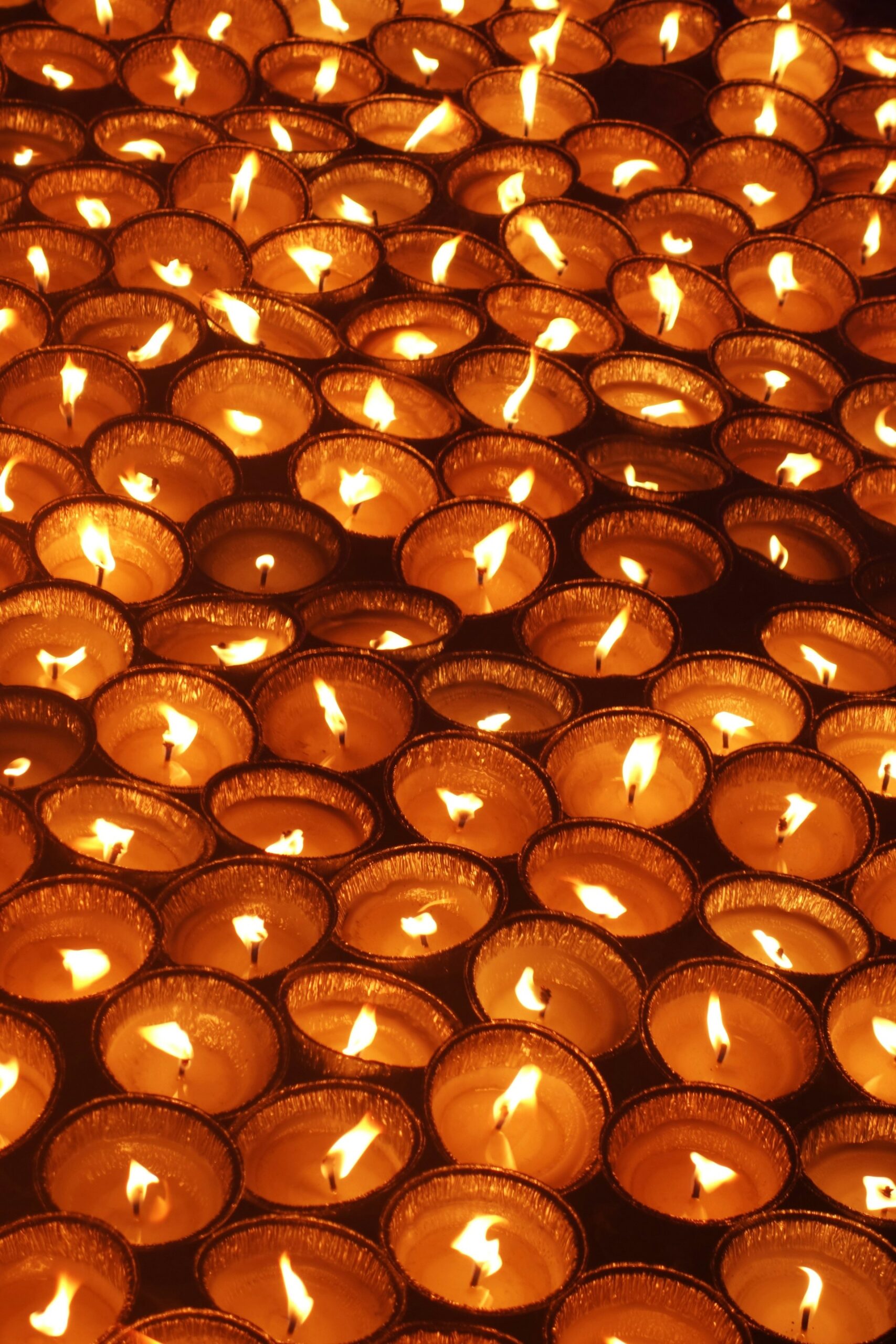
Preserving Cultural Heritage
Responsible collecting supports living traditions when purchases benefit genuine artisans and accurately represent an item’s origin. Look for clear maker information, fair pricing, and specific descriptions of materials. Be cautious when a seller uses vague claims such as “ancient style” without explaining where or how the piece was produced.
Care matters after purchase as well. Dust delicate items with a soft, dry cloth and avoid household cleaners unless the maker recommends them. Store paper, wood, and textiles away from damp areas or strong sunlight. If an older object cracks, fades or develops mold, consult a qualified conservator before attempting a repair.
The next time a sacred piece catches your attention, pause over its full story. Knowing the hands, place, and tradition behind it can turn a beautiful object into a carefully preserved link between generations.