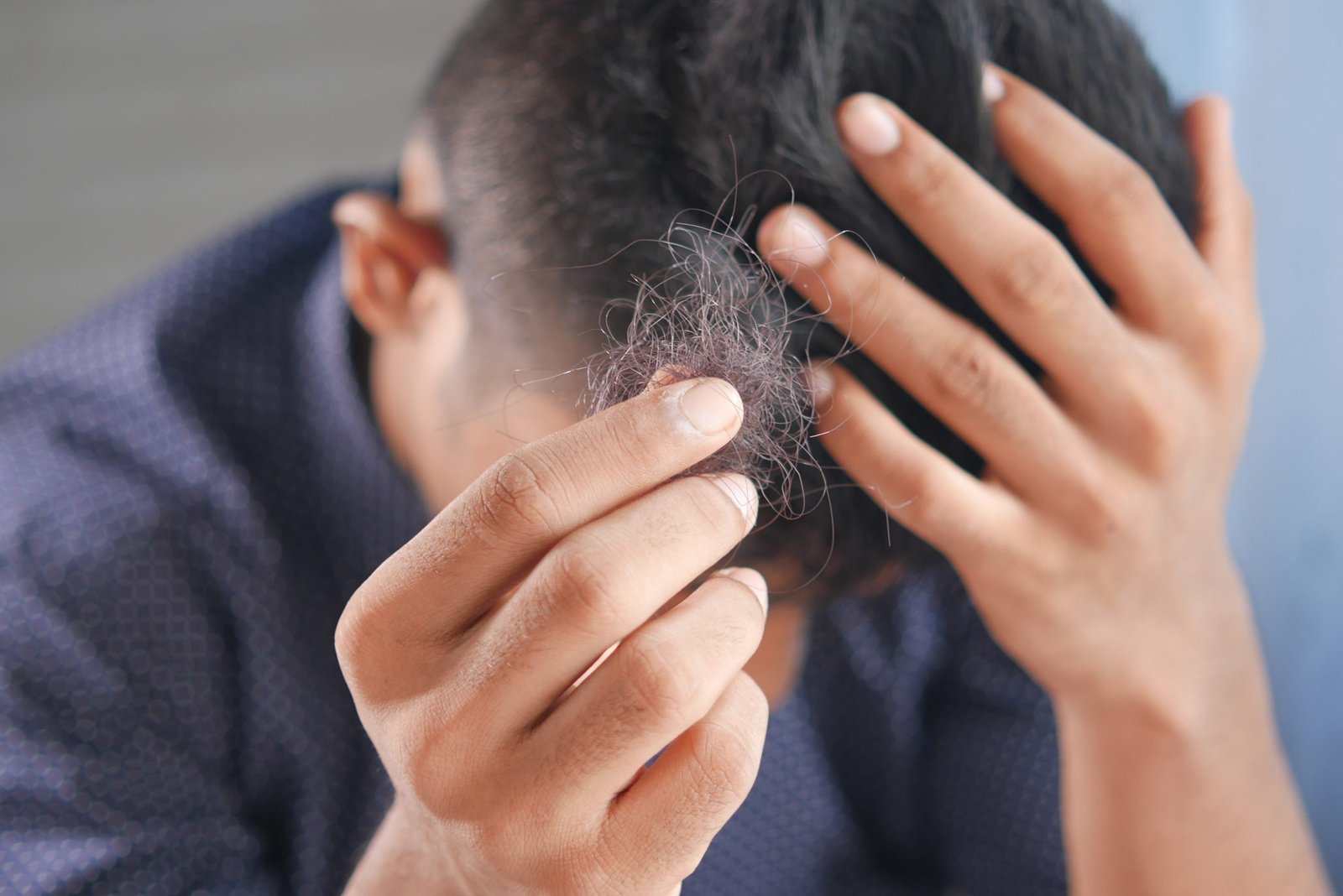


It is frustrating to experience hair thinning, especially when you don’t see results after trying various products.
Numerous individuals begin seeking an alternative to shampoos and pills, and it is at this point that IV therapy to treat hair loss enters the discussion.

You might have heard of Dripgym and wondered if IV therapy for hair loss is truly effective or just another fashion trend.
This blog simplifies it in a simple and practical manner. You will get to know how the IV therapy of hair loss is performed, what nutrients are involved, and who it can benefit. It also discusses the benefits and limitations and how options can be included in a more comprehensive hair care plan in order to determine what is right for you.
The Science Behind IV Therapy for Hair Loss
IV therapy is the introduction of nutrients in your bloodstream. This bypasses the digestive system, and what this means is that your body will be in a position to absorb the vitamins and minerals faster. In terms of hair health, this direct delivery, often referred to as ” Standard IV therapy for hair loss” can help in hair follicle activity and enhance the hair growth cycle.
Hair loss is usually associated with such vitamin deficiencies, stress, or hormone imbalance. Disruptions of the anagen phase of hair growth may include androgenetic alopecia or temporary hair thinning. The idea of nutrient infusion therapy is to nourish the body, which can aid in increasing the health of hair follicles in the long run.
Key Nutrients Used in IV Therapy for Hair Growth
A combination of nutrients and vitamins is often used to support hair health. The most popular ones are biotin to strengthen hair, vitamin B complex to maintain the scalp, and vitamin C to build collagen. Zinc and folic acid are involved in repair and growth of hair as well.
These are the nutrients that help in the production of keratin that makes up your hair. Hair loss and poor nutrition normally come together, particularly when you’re eating habits are deficient in essential vitamins. IV nutrients to supplement hair seek to fill these deficiencies within a short period of time via intravenous nutrient replacement.
Potential benefits of IV therapy for Hair Loss
One of the Key benefits of IV therapy is speedy nutrient intake. The nutrients enter the blood directly; this implies that you are able to use it more efficiently in your body. This can assist in the use of hair growth products, particularly in cases where deficiency is involved.
Others also report strengthened hair; shedding is minimized. Although the outcome is different, a comprehensive hair loss strategy that involves nutrient infusion therapy can help in nourishing the hair in general. It can also be used to supplement the other treatments and not to substitute them.
Who Can Benefit from IV Therapy for Hair Loss
People who’ve had vitamin-associated hair loss should benefit the most. People experiencing stress who lose their hair due to stress or have a bad diet may also respond. In others, patients who lose their hair due to medical causes consider this one of the components of a greater strategy.
But it is not a one-size-fits-all solution. Such disorders as autoimmune hair loss or severe male pattern baldness can require treatment. A medical professional can assist you in making a customized plan of hair treatment depending on your needs.
Limitations of IV Therapy for Hair Regrowth
IV therapy is not a sure remedy to permanent hair loss. In the case of no longer active hair follicles, a nutrient therapy might not help them grow. Other methods of hair restoration therapy are normally necessary in cases such as long term androgenetic alopecia.
A second consideration to make is that the outcomes are time-consuming. Hair growth is a cycle, and it may take weeks or months to see any changes.
Comparing IV Therapy with Traditional Hair Loss Treatments
Conventional therapies involve topical application to the hair, oral therapy, and laser hair loss therapy. Such techniques have various effects on hair loss, including enhancing blood flow to the scalp or blocking hormones associated with hair loss.
IV therapy is aimed at internal assistance by absorbing nutrients. Whereas topical therapy acts on the surface, IV therapy acts internally. Mostly individuals prefer to use a mixture of approaches to achieve better outcomes instead of using one method only.
Safety, Side Effects, and What to Expect
IV therapy is not normally very dangerous when it is administered by qualified professionals. Nevertheless, it has risks like infection, allergic reaction, or phlebitis. This is the reason why an IV therapy consultation is necessary prior to commencing treatment.
The session may result in a Mild prick, and treatments can take 30 to 60 minutes. The majority can stand it, although it is necessary to select a clinic that has a good reputation. Headaches may be minimized via proper hygiene and educated employees.
How often do you need to get an IV remedy for hair loss?
The frequency depends on your situation and goals. Some of them start with weekly treatments and proceed to maintenance treatments after a couple of weeks. Depending on your response, your provider will change the plan.
Consistency is not as important as frequency. Growing hair takes time, and regular provision of nutrient supplements may enhance performance. Use a schedule that has been recommended by a qualified health practitioner.
The position of nutrients and lifestyle in Hair health
IV therapy is most effective with healthy habits. The long-term results are supported by a balanced diet that is rich in vitamins that stimulate hair growth. The strength and volume of hair can be improved with high protein, iron, and antioxidant foods.
Every other essential element is Stress management. Excessive production of cortisol can have an effect on hair growth and cause loss of hair. Healthy scalp and hair nourishment may be accomplished through some Lifestyle changes like getting more sleep, hydration, and scalp care.
Why Clinics Are Gaining Attention
Wellness clinics specialize in individual wellness programs, such as IV therapy. They provide personalized care depending on the needs of individuals, which attracts individuals seeking personalized care. This method is quite appropriate in the current wellness trends.
With the increasing number of individuals seeking nutrient based treatments, clinics are only gaining more and more popularity. They integrate comfort with professional advice; hence, it becomes simpler to get treatments in a controlled and safe environment.
Conclusion
IV therapy is a viable alternative to consider in case your loss of hair is related to nutrient deficiencies or stress due to lifestyle. It helps your body internally by enhancing the way important vitamins reach your body. In certain individuals, it may result in thicker hair and less loss with time, particularly when used in conjunction with other hair care practices.
You should have some realistic expectations. This plan works well in conjunction with an even bigger plan that includes proper dieting, stress management, and medical consultation where needed. Treatment is based on the cause of hair loss, and regular care helps a lot towards long term improvement.