





Heavy creams are not the only way to keep skin comfortable and hydrated. A lightweight formula supplies water, reduces moisture loss, and leaves a cleaner finish without a waxy film. Texture depends on the balance of ingredients and the amount applied. That makes lighter moisturizers practical for normal, combination, and warm-weather routines. A closer look at how these formulas work helps shoppers choose daily hydration that feels comfortable, starting with the formula itself.
Skin hydration depends on water content and the barrier that helps retain it. A lighter cream spreads quickly, uses less dense occlusive material, and reduces the coated feeling that discourages regular use. For people comparing textures, a lightweight face moisturizer suits normal to combination skin while supporting a simple morning or evening routine. The final feel still depends on the complete formula, not the label alone.
Why Lighter Textures Still Hydrate
A moisturizer supports hydration through two related actions. Humectants attract water toward the outer skin layers, while emollients smooth rough areas and improve softness. Occlusive ingredients slow water loss by forming a protective layer across the surface. A light formula combines these functions in a less dense texture. It supports the skin barrier while spreading into a thin, even layer rather than sitting as a thick coating. That difference affects comfort, makeup application, and regular use.
Water alone does not provide lasting hydration. After cleansing, water on the skin evaporates quickly unless a moisturizer helps retain it. A balanced fluid cream keeps the surface comfortable without leaving excessive residue.
What Makes a Moisturizer Feel Heavy
A heavy sensation often comes from a dense blend of oils, waxes, or occlusive materials. These ingredients help dry skin, but high concentrations can leave shine, tackiness, or a persistent film. Texture also depends on how a product spreads. A cream that absorbs slowly requires more rubbing, while a fluid formula distributes with less pressure. That matters in sensitive areas, including the cheeks, nose, and skin around the eyes.
Climate and routine also influence texture choice. Warm temperatures, humidity, sunscreen, and makeup already add layers to the skin. A lighter moisturizer reduces the total weight of that routine while keeping hydration in place.
How to Apply a Fluid Cream
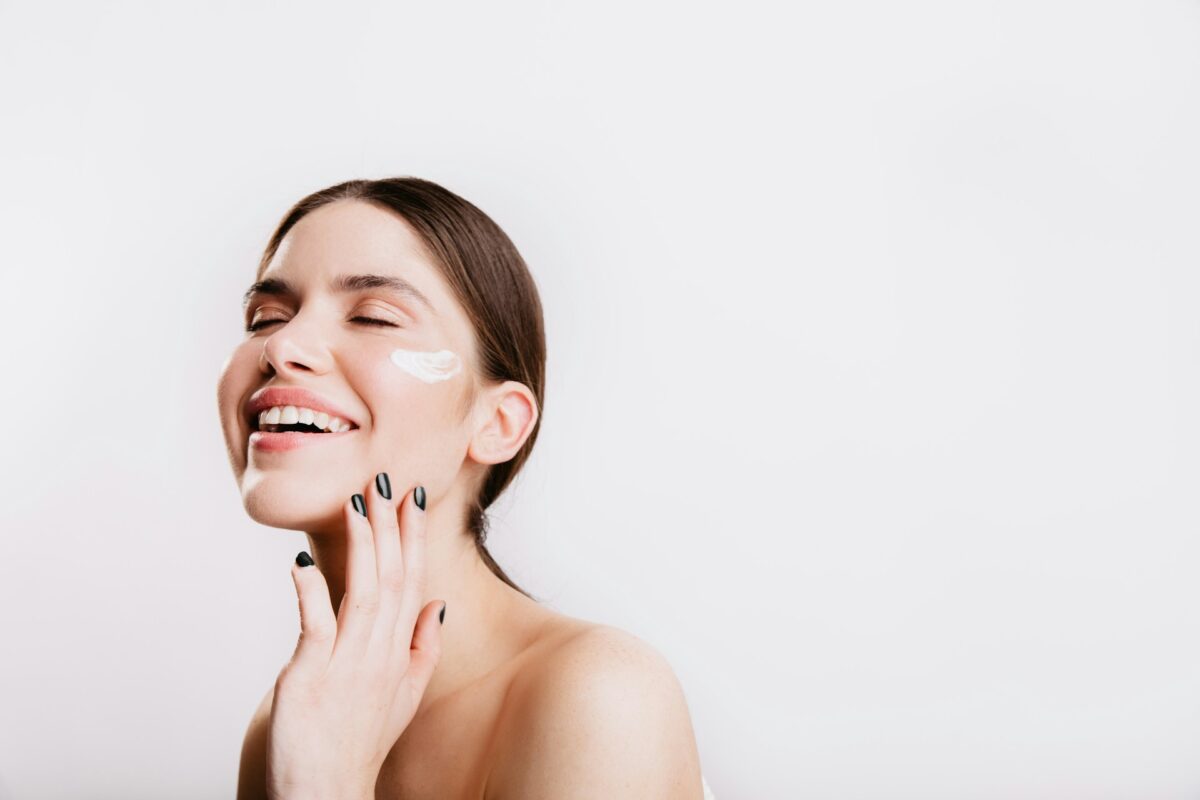
Clean skin gives moisturizer an even surface. After cleansing, spread a small amount across slightly damp skin. Dampness gives the formula water to retain, while gentle application limits unnecessary friction. The right quantity depends on coverage rather than thickness. A thin, even layer across the face and neck usually feels more comfortable than a large amount concentrated in one area. Extra product can be pressed onto dry zones as needed.
Morning routines usually place moisturizer before sunscreen. Evening routines place it after cleansing and lighter treatment products. Waiting briefly between layers helps each product settle and reduces pilling under makeup or sunscreen.
Who Benefits From a Light Texture
Normal skin often needs reliable moisture without a rich finish. A light cream supports daily comfort while keeping the routine simple. Combination skin also benefits because different areas can respond differently to dense formulas. A fluid cream may be positioned as a daily anti-aging moisturizer for normal to combination skin with a lightweight texture. Those details make the formula a reasonable option for people who want hydration without a dense after-feel.
Very dry skin may need more occlusive support, particularly during cold weather or after barrier stress. A light cream can still work in those routines, but drier areas might need a richer layer on top.
Signs the Formula Fits
Comfort provides the first useful signal. Skin should feel soft and hydrated without tightness, excessive shine, or a sticky surface. Makeup should sit evenly instead of separating across dry patches. Consistency matters as much as the first application. A moisturizer that feels comfortable each morning is easier to use regularly. Regular application supports the barrier better than occasional use of a product that feels unpleasant.
Irritation requires a different response. Redness, burning, or persistent discomfort calls for stopping the product and reviewing the full routine. A lighter texture does not suit every skin type or ingredient preference.

Conclusion
Choosing a light moisturizer starts with skin needs, then moves to texture and daily habits. A fluid cream works best when it spreads evenly, supports the barrier, and fits the rest of the routine without pilling. Its light texture may suit normal to combination skin, giving shoppers a clear starting point. Apply the moisturizer according to its product directions after cleansing, observe comfort throughout the day, and adjust the amount before reapplying it.