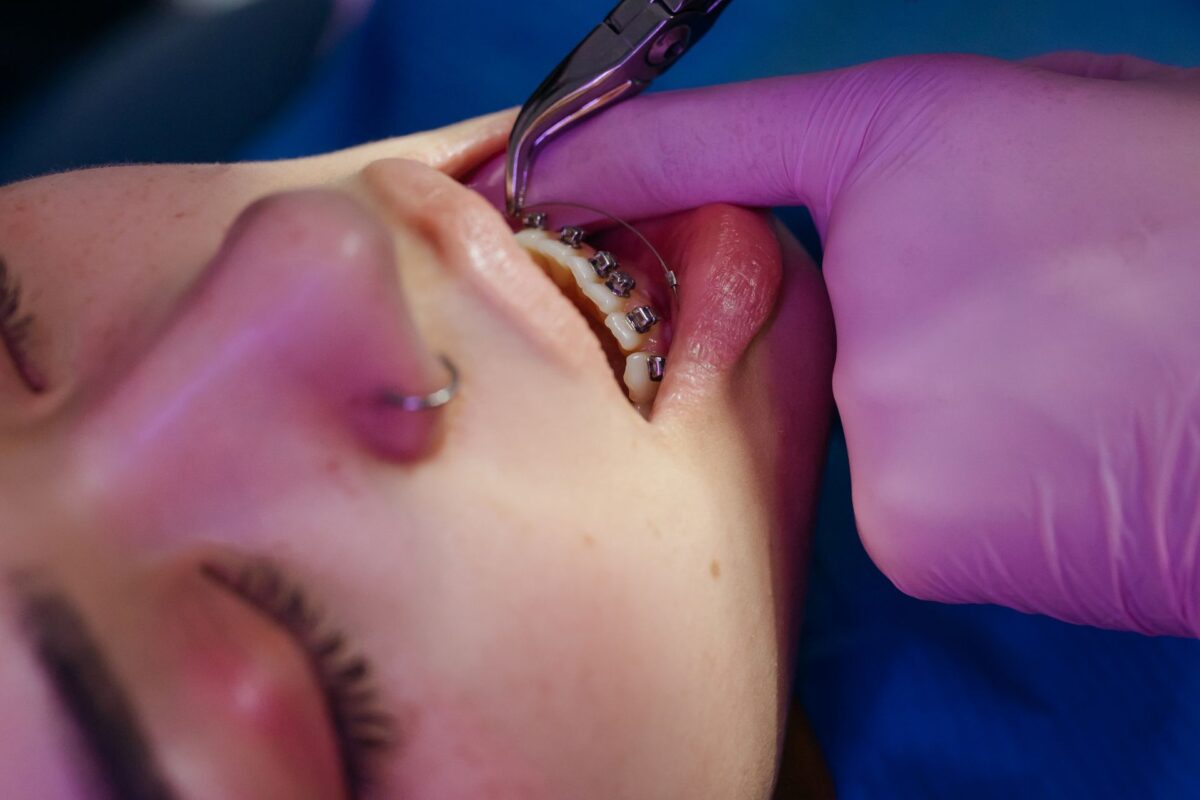

Most dental problems begin quietly. A tooth shifts slightly, a gum line pulls back a fraction, a jaw starts closing a little differently than it did a year ago. None of it hurts at first, and none of it looks dramatic in the bathroom mirror. By the time something finally feels wrong, the issue has usually been building for months or longer, and the fix is bigger than it would have been.
Families across Corpus Christi deal with this pattern constantly, not because they neglect their teeth, but because the early signals are genuinely easy to overlook. Learning what those signals look like is the single most useful thing you can do for your own mouth and for your children’s.
Why Small Changes Deserve Early Attention
Most people wait until something hurts before they think seriously about the condition of their teeth. An orthodontist sees the result of that delay constantly, because crowding, spacing issues, and bite problems almost never announce themselves with pain until they have already changed the way the whole mouth functions.
Specialist care built around alignment and bite correction exists for exactly this reason, and it produces its best results when it starts before a pattern settles into place. Families in the area who want that kind of assessment often begin by finding the best orthodontist in Corpus Christi and scheduling a straightforward evaluation. An early appointment rarely leads to immediate treatment, but it does replace guesswork with a clear picture of what is happening and what, if anything, needs watching.
Changes in How the Teeth Fit Together
Your bite is the most reliable early warning system you have. When the upper and lower teeth stop meeting the way they used to, something has moved. You may notice that you chew more on one side than the other, or that food gets trapped in a spot that never used to catch anything. Some people find their front teeth no longer touch when the back teeth are closed. Others hear a slight clicking sound when they open their jaw wide.
A useful test is simple. Bite down gently and pay attention to which teeth make contact first. If one or two teeth take the pressure before the rest, the load is being distributed unevenly. Over time, that uneven pressure wears down enamel, loosens the teeth taking the brunt of it, and strains the jaw joint. Catching it early usually means a smaller correction.
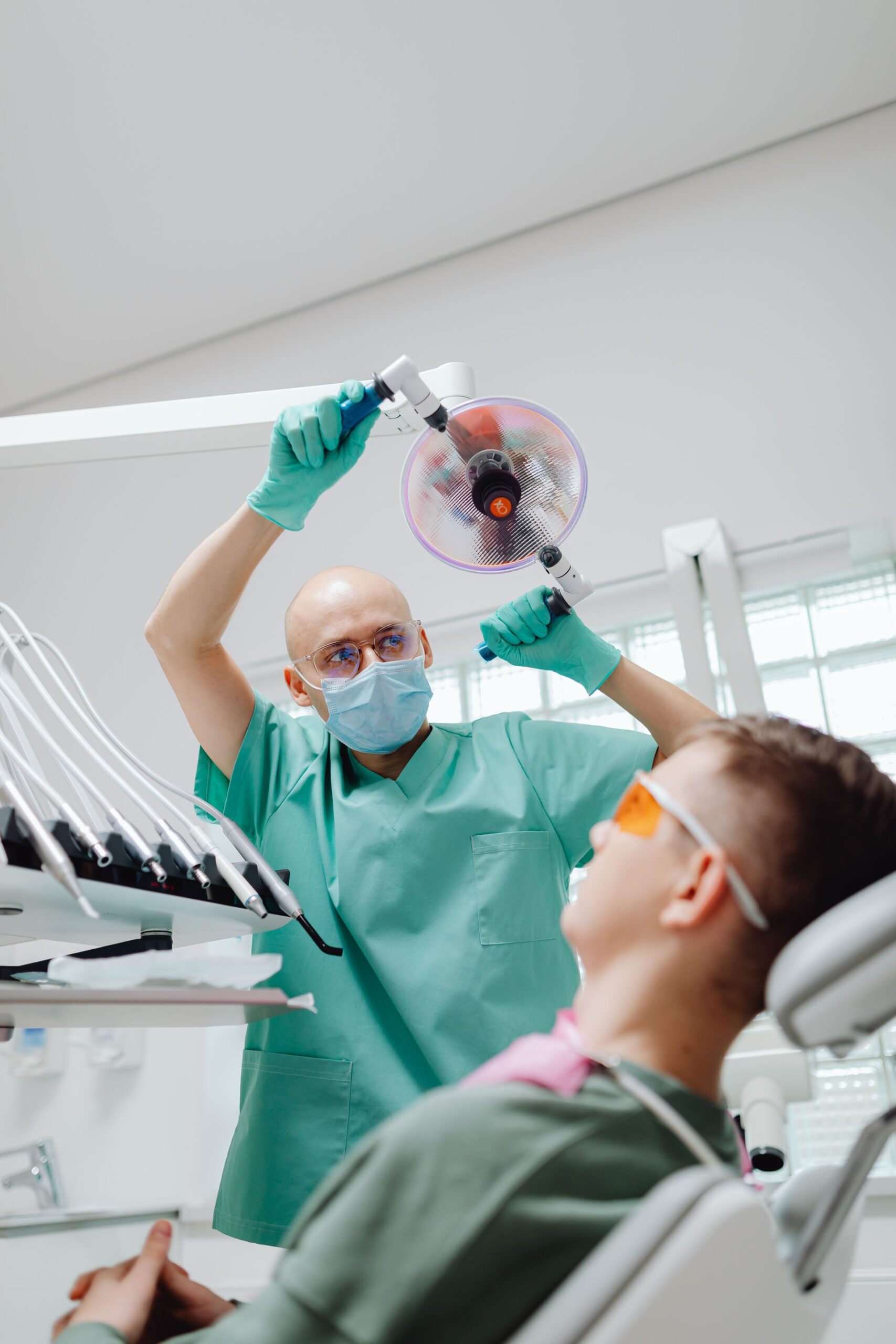
Warning Signs in Children and Teenagers
Young mouths change fast, which makes them easier to monitor if you know what to watch. Baby teeth that fall out much earlier or much later than expected can leave the incoming adult teeth without enough guidance, and they drift into whatever space is available. Teeth that come in visibly rotated, or that overlap heavily as soon as they appear, are telling you the jaw does not have room for them.
Habits matter too. Thumb sucking that continues past the toddler years, persistent mouth breathing, and a tongue that pushes forward against the teeth during swallowing all apply steady pressure in the wrong direction. Children who snore heavily, speak with a noticeable lisp, or struggle to close their lips comfortably at rest are worth a professional look. Around age seven, most children have enough adult teeth for a trained eye to predict how the rest will arrive.
Discomfort That Should Never Be Dismissed
Pain is a late signal, but it is not the only one. Sensitivity to cold that lingers after the cold is gone, a dull ache in the jaw that shows up in the morning, or headaches concentrated around the temples can all trace back to the mouth. Teeth grinding at night is extremely common and most people have no idea they do it. Flattened chewing surfaces, a sore jaw on waking, or a partner who mentions the noise are the usual clues.
Occasional soreness after a long day of talking or chewing something tough is normal. What is not normal is discomfort that repeats in the same place week after week. A pattern is information. Write down when it happens and what you were doing, and bring that record to your next appointment.
Why Delay Makes Everything Harder
The cost of waiting is rarely dramatic in any single month, which is exactly why it adds up. Bone adapts to the position teeth are held in. The longer a tooth sits in the wrong place, the more the surrounding bone reshapes itself to support that position, and the more work is required to move it back. Enamel does not grow back once it has worn away. A chip or crack that started small keeps opening under the same repeated pressure.
There is also a practical dimension. Problems caught early tend to need shorter, simpler treatment. Problems caught late often need several things addressed at once, in a particular order, over a longer stretch of time. The difference is usually measured in months and in expense, and it comes down entirely to when someone first took a proper look.
Building a Habit of Checking
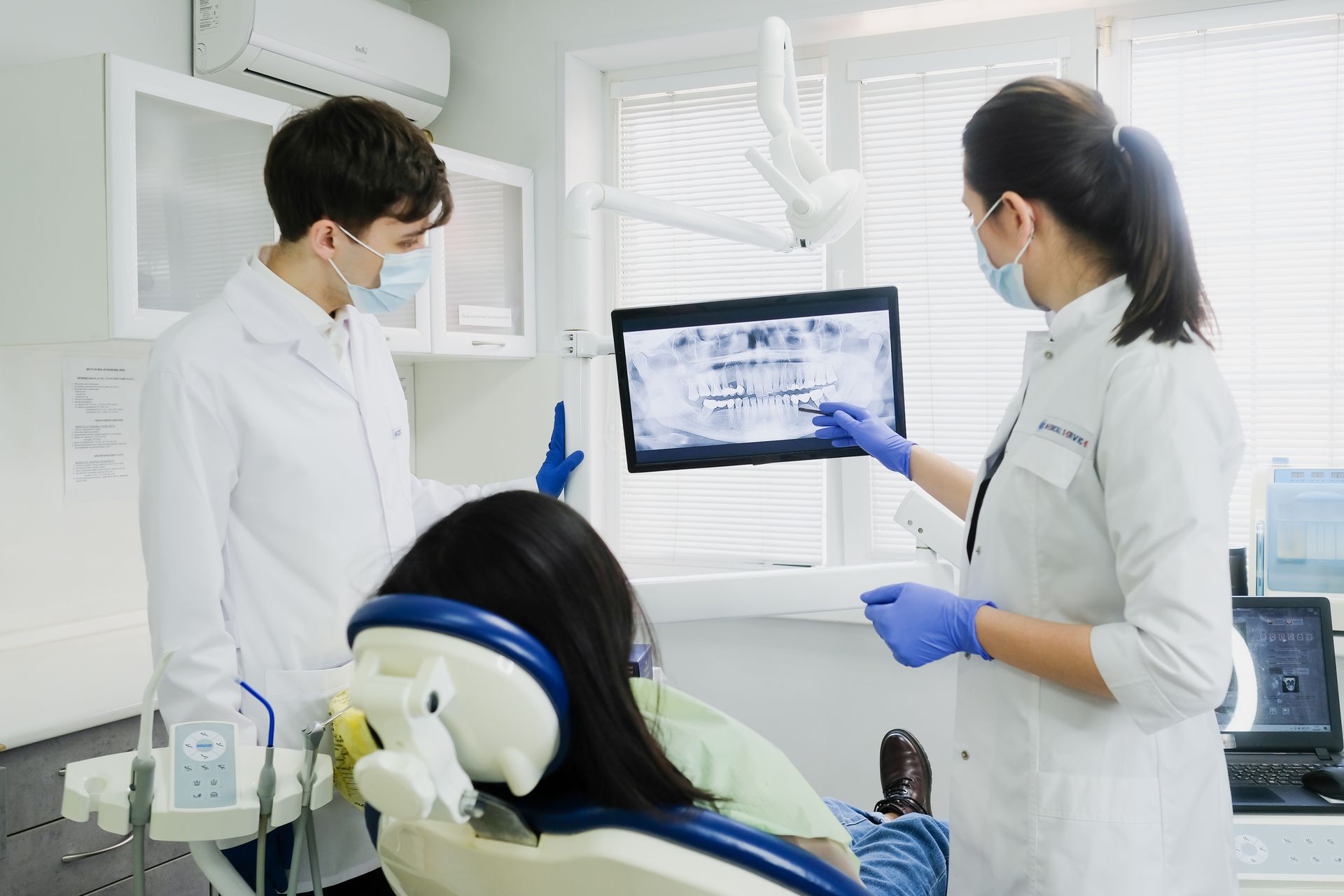
You do not need special equipment. Once a month, in good light, pull your lips back and look at the whole mouth rather than just the front teeth. Check the gum line along the back teeth. Run your tongue across the chewing surfaces and notice anything rough or sharp that was not there before. Photograph your smile every few months from the same angle, because change is almost invisible day to day and obvious across a year.
Keep professional checkups on the calendar even when nothing feels wrong, since that is precisely when small things are still small. Bring your notes. Mention the sensitivity you dismissed, the clicking you assumed was normal, the tooth that feels slightly loose. None of it may matter, and that is a good outcome. But the issues that become expensive and complicated are almost always the ones nobody mentioned while they were still easy to fix.