





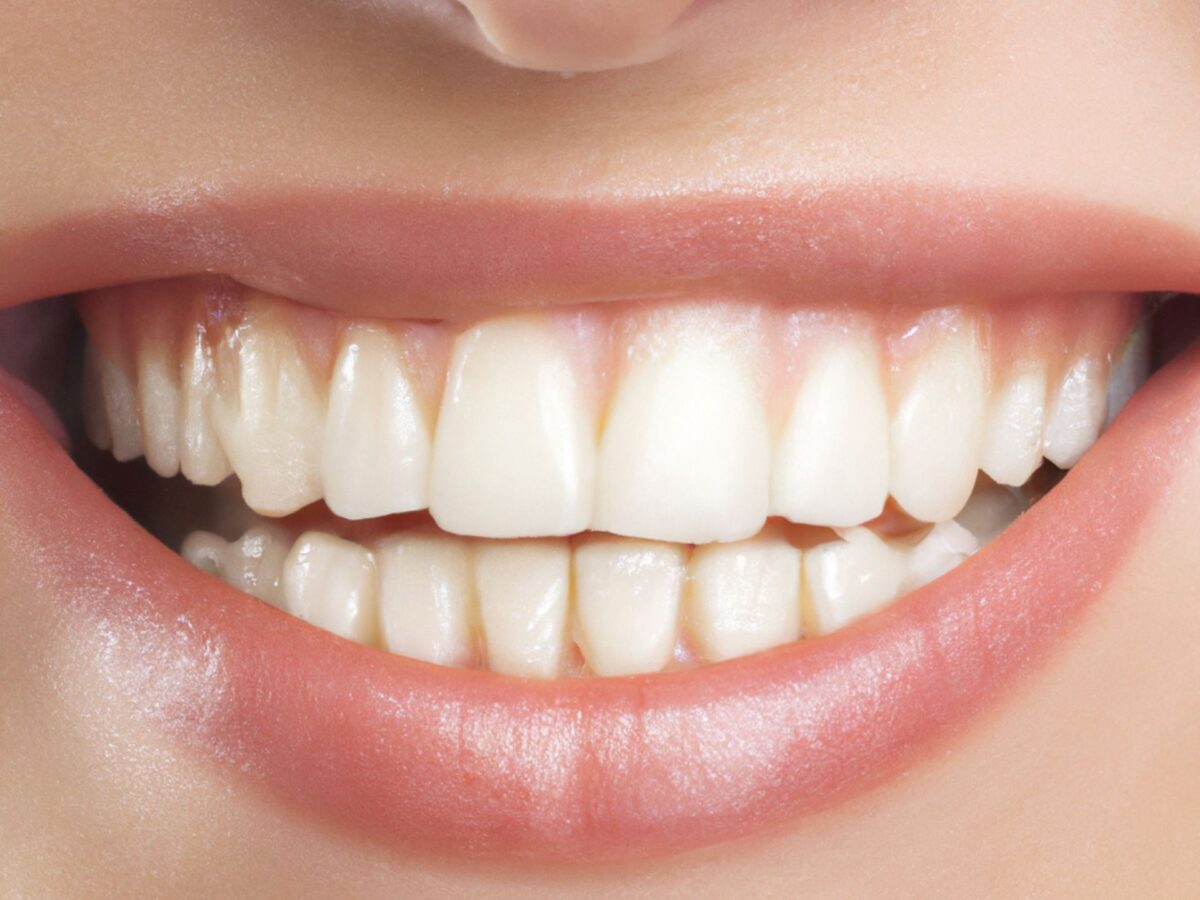

You probably already know veneers can change how teeth look. What receives less attention is how that change can affect everyday experiences, from speaking at work to smiling in photographs. In Oklahoma City, school events, interviews, celebrations, and social gatherings put people face to face. Still, veneers are a significant dental decision, not simply a cosmetic shortcut. Understanding their effects and limitations can help you decide whether treatment fits your goals.
Veneers are about control, not perfection
Many people associate veneers with dramatic celebrity makeovers. In practice, they may be considered for specific concerns: chipped edges, stubborn discoloration, small gaps, uneven shapes, or teeth that look worn. The aim is not a flawless, identical row of teeth, but a balanced appearance that suits your face.
Veneers differ from whitening and bonding. Whitening changes tooth color but cannot reshape a chipped edge or close a gap. Bonding can correct some minor flaws with tooth colored resin, although it may stain or chip and can require maintenance. Veneers cover the front surface of a tooth, allowing a dentist to adjust shape, shade, and symmetry together.
If you are researching porcelain veneers in Oklahoma City, focus on the particular concerns you want addressed. A useful consultation should explain what veneers can realistically improve and whether a more conservative treatment could achieve a similar result.
The consultation shapes the result
Online galleries show finished smiles, but they cannot tell you whether a treatment is suitable for your teeth. A thorough assessment should consider enamel condition, gum health, bite alignment, tooth position, and how your teeth meet when you speak or chew.
Bite forces matter. If you grind your teeth or place excessive pressure on the front teeth, veneers may be more likely to chip or loosen. Gum disease and untreated decay should be addressed before cosmetic treatment. In some cases, orthodontics, whitening, bonding, or minor reshaping may be a better starting point.
Ask about alternatives, limitations, and future maintenance. Bring questions about sensitivity, eating, speech, and realistic replacement timelines, and ask the dentist to explain what happens if a veneer chips or needs adjustment. The American Dental Association’s guide to veneers explains that veneer treatment can be irreversible and should be planned with a licensed dentist. That is an important consideration before agreeing to enamel removal.
Materials and preparation affect your experience
Not every veneer procedure involves the same amount of preparation. Traditional porcelain veneers usually require removing some enamel so the shells fit naturally and bond securely. Some patients may be candidates for minimal-preparation options, but these are not suitable for every tooth or cosmetic concern. Even approaches described as no-prep may involve some alteration.
Material selection also affects appearance and durability. Porcelain can reflect light in a way that resembles natural enamel and generally resists staining. Composite resin may be less expensive and easier to repair, but it can be more susceptible to discoloration and wear. The right choice depends on your dental condition, desired result, and budget.
Discuss shade and shape in ordinary lighting, not just in photographs. A smile should look natural in daylight and while you are talking.
Confidence can change in small, everyday ways
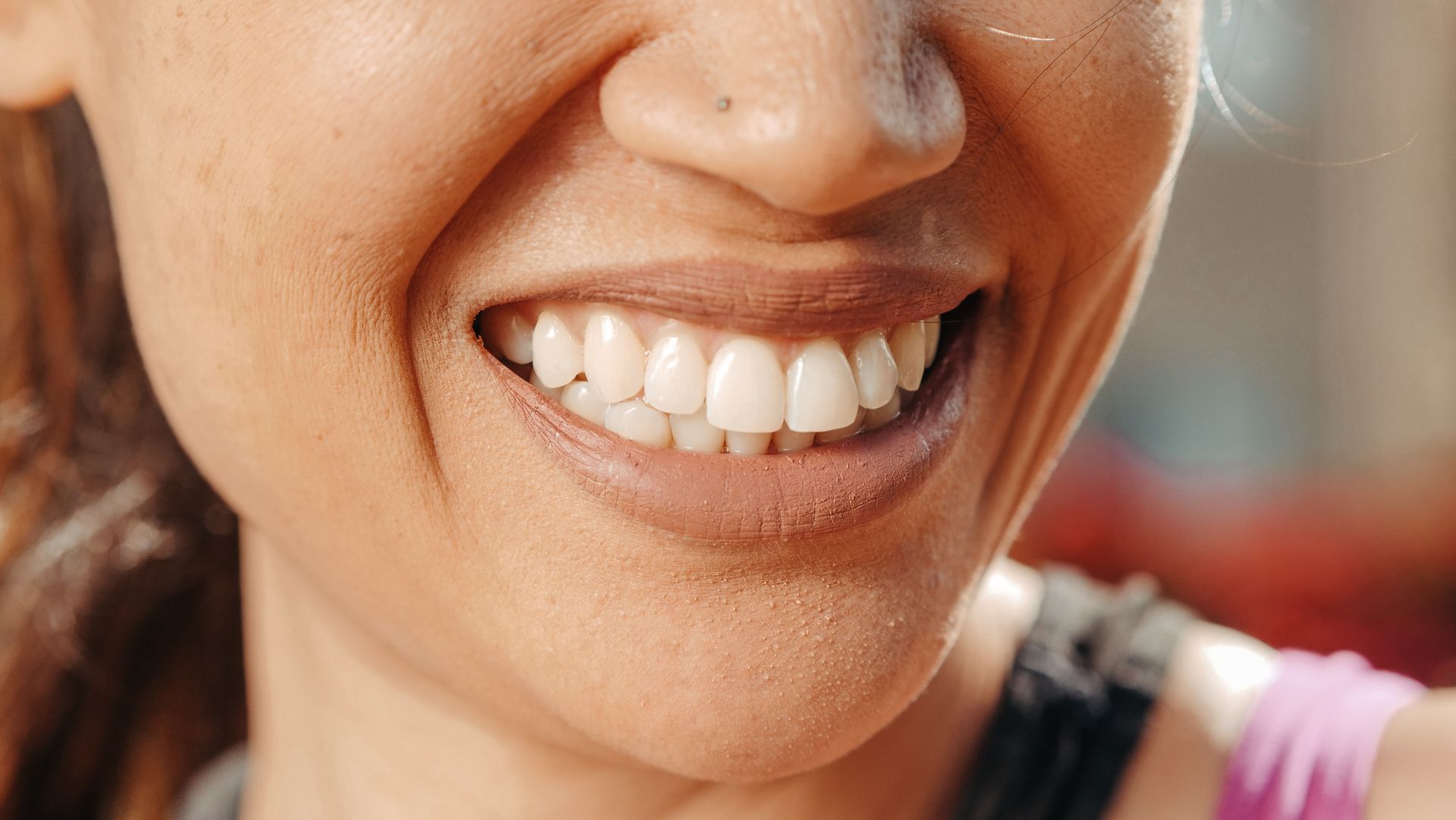
People sometimes describe the benefit of cosmetic dentistry as greater confidence. That experience is personal, but it can show up in ordinary moments. You might stop covering your mouth when laughing, feel more relaxed in photographs, or speak without worrying that someone is focused on a chipped or discolored tooth.
These changes are not guaranteed. Veneers cannot resolve every concern about self-esteem, and social pressure is not a sound reason to pursue treatment. However, when a specific dental feature has bothered you for years, addressing it may remove a recurring distraction.
Ask how much the concern affects daily life and whether the result justifies the cost and ongoing responsibilities.
Maintenance remains part of the commitment
Veneers are durable, but they are not indestructible. They can chip, crack, loosen, or need replacement. Continue brushing twice a day with fluoride toothpaste, cleaning between teeth daily, and attending regular dental appointments. Healthy gums are essential because changes around the edges of veneers can affect both appearance and oral health.
Avoid chewing ice, biting hard objects, opening packages with your teeth, or using your front teeth to tear food. If you grind or clench at night, ask whether a custom night guard is appropriate. People who play contact sports should also discuss protective mouthguards.
Porcelain is relatively stain-resistant, but natural teeth around the veneers can change color over time. That can make the overall shade less uniform.
Consider the full cost, not just the initial quote
The price of veneers is only one part of the decision. Ask what the estimate includes, whether temporary restorations are needed, how many visits are expected, and what future repairs or replacements could cost. Cosmetic treatment is often not covered by dental insurance, but coverage depends on the plan and reason for treatment.
Compare alternatives. A small chip may need bonding, while discoloration might respond to whitening. Veneers are not automatically the best value for every smile.
The best result should feel like you
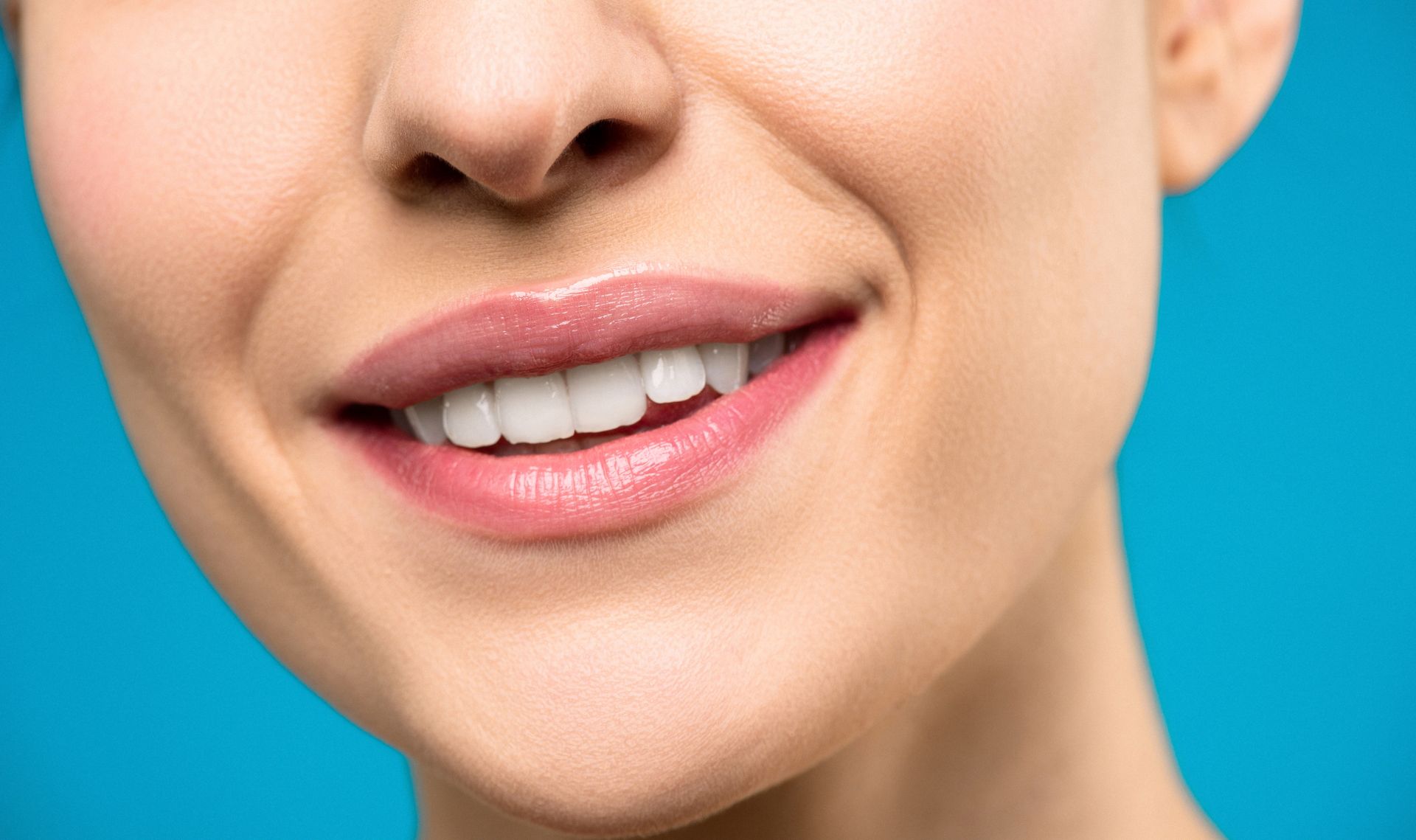
A successful veneer result should complement your features rather than dominate them. Consider how the teeth will look when you laugh, speak, and eat, not only in a carefully lit photograph. Ask to review a proposed shade and shape before treatment begins, and make sure you understand what cannot be reversed.
Ultimately, veneers can change more than the appearance of teeth, but their value depends on realistic expectations and careful planning. When you understand the trade-offs and choose treatment for your own reasons, the result is more likely to feel comfortable in everyday life.