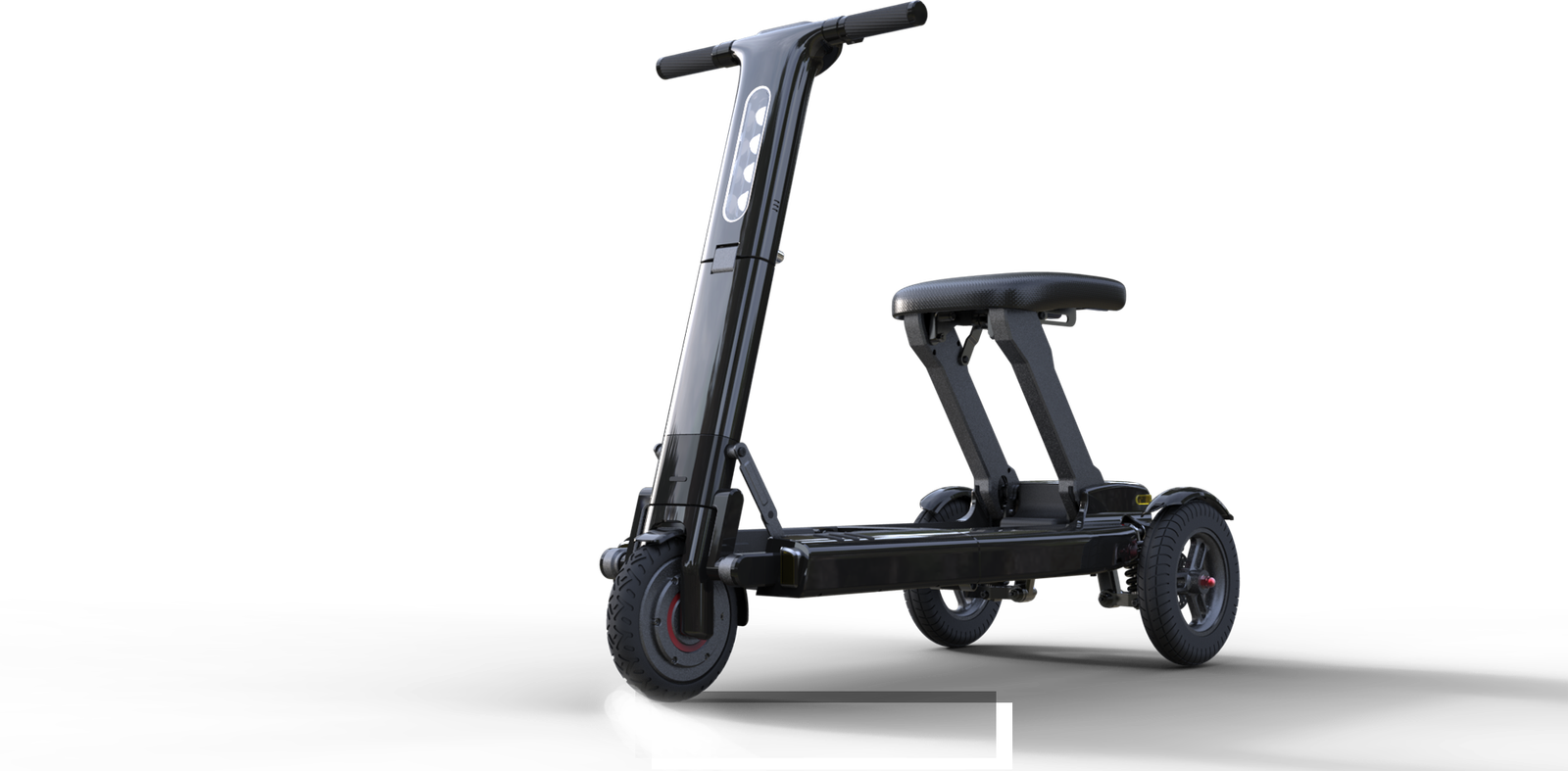







Selecting a mobility scooter may be more difficult than it appears.
One model might seem ideal until you determine it doesn’t even fit into the trunk.
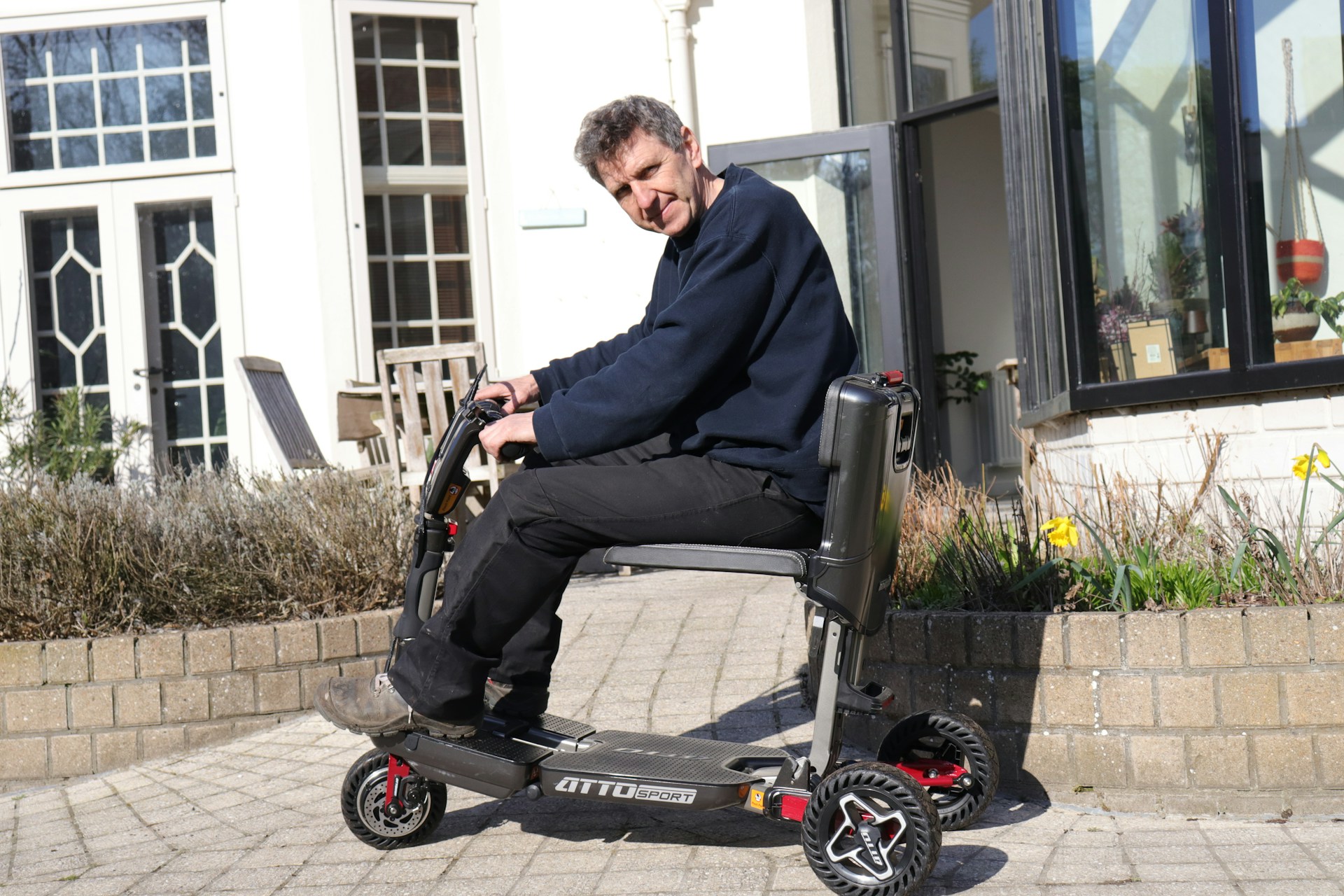
Another might be easily portable, but cause discomfort during longer outings. This is why the right decision isn’t about picking up the scooter that has the most options and features, but is instead about picking up the scooter that is right for your daily routine.
First, think about where you normally travel, the distance you cover, the surfaces you will be riding over, and the frequency with which you will be moving the scooter. All this information can help you narrow down your choices pretty quickly. Pride Mobility has compact, mid-size and larger scooters that can fit different lifestyles.
With those normal requirements in place, it’s much easier to select. So, here are the following points to help you find the right fit.
Choose a Travel Scooter for Frequent Trips
Portability is most important when you have appointments, errands, family visits, or trips to go on. Travel scooters are about mobility. Some are even disassembled, while the fold versions make storing easier.
These are some practical questions to begin with:
- Can the scooter fit comfortably in your vehicle?
- Are you able to control the heaviest part?
- Is battery removal or recharging easy?
- Is the seat comfortable for the length of your usual trips?
When looking at Pride mobility scooters, the first thing you should do is filter for portability. If it also comes in the category of comfort and distance, a lightweight scooter is a viable option.
Choose a Mid-Size Scooter for Everyday Errands
If most of your trips stay close to home, a mid-size scooter can offer a useful balance. It can suit neighborhood shopping, appointments, community activities, and trips around town. Once portability becomes less important, comfort and everyday maneuverability deserve more attention.
Consider these details:
- Seat size and adjustability
- Turning radius
- Storage capacity
- Lighting
- Suspension
- Battery range
Wheel configuration also deserves attention. Three-wheel models can make tight turns easier, while four-wheel models can provide a different balance for outdoor riding. Pride’s current guidance also distinguishes three-wheel and four-wheel scooters based on how they are commonly used.
Choose an Outdoor Scooter for Longer Routes
If those everyday trips stretch farther or include parks, shopping centers, or uneven surfaces, your priorities start to change. Portability may no longer be the main concern. Range, suspension, ground clearance, seating, and overall ride quality become more important.
Practical issues are also caused by outdoor routes. Sidewalks, slopes, curbs and accessible paths may be uneven and can impact your ability to navigate through a community. The CDC’s guidance on mobility barriers includes information about the impact of environmental barriers on persons with disabilities.
Your usual route therefore deserves attention before choosing. A larger Pride scooter may make more sense when outdoor comfort and capability matter more than easy vehicle transport. Before deciding, compare the scooter’s dimensions with the spaces you use most often.
Choose a Heavy-Duty Scooter for More Support
Sometimes outdoor use requires more than additional range or suspension. If you spend long periods on your scooter or need a higher weight capacity, a heavy-duty model may be more appropriate. These scooters generally offer a larger frame, more substantial seating, and features intended for demanding everyday use.
However, a larger scooter also changes how you handle storage and transportation. Consider these practical questions:
- Where will the scooter be stored?
- Can it pass through your home’s narrowest doorway?
- How easy is it to charge?
- Can your vehicle transport it?
- Does its turning space work where you shop or visit?
These checks prevent mismatch. A scooter can perform well outdoors and still feel inconvenient inside a home, store, or other familiar space.
Choose Features That Fit Your Daily Routine
Once the scooter category fits your lifestyle, the smaller details become just as important. Controls should feel manageable. The seat should provide suitable support. The tiller should allow a comfortable riding position. Storage, lighting, suspension, and charging access can also make a noticeable difference.
Range deserves a closer look, too. Think about your longest normal outing rather than an occasional best-case trip. Leave enough room for detours and unexpected stops.
It also helps to think ahead. The CDC states that physical activity can help people with disabilities live their lives and remain independent. Therefore, the scooter should not only suit the present lifestyle, but also the activities you would like to be able to do. If feasible, test the scooter prior to purchasing and consult with a professional mobility specialist about your requirements.
Conclusion
The right Pride Mobility scooter depends on your routine, not a list of features. A travel model may suit frequent vehicle trips, while a mid-size option can balance everyday comfort. Larger and heavy-duty models may make more sense for longer outdoor use or greater support. Start by considering distance, terrain, transport, storage, seating, and controls. Then compare models within the category that match those needs.
Taking that approach makes the final choice more practical and easier to narrow down before purchasing, while keeping everyday mobility needs at the center today.