


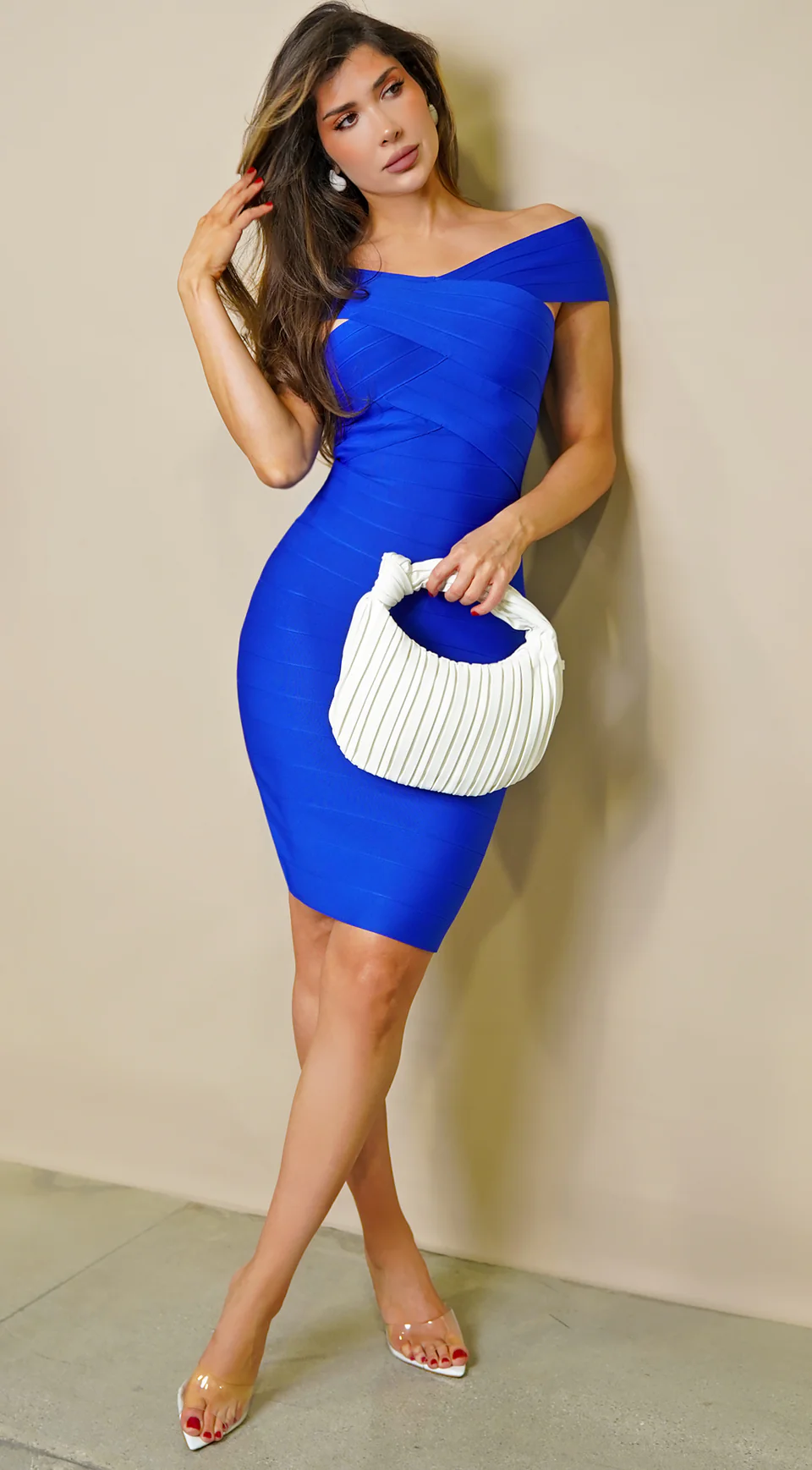

A few years ago, it felt like the bandage dress had quietly disappeared.
Fashion had moved on. Oversized tailoring was everywhere. Relaxed silhouettes dominated runways. Luxury consumers were talking about understated elegance rather than body-conscious dressing. If you followed fashion media closely, the message seemed fairly clear. The era of the bandage dress was over.
Or so people thought. What’s interesting about fashion, though, is that it rarely follows a straight line. Trends disappear. Then they come back. Sometimes they return looking almost identical. Other times they come back wearing a completely different personality. The bandage dress belongs firmly in the second category.
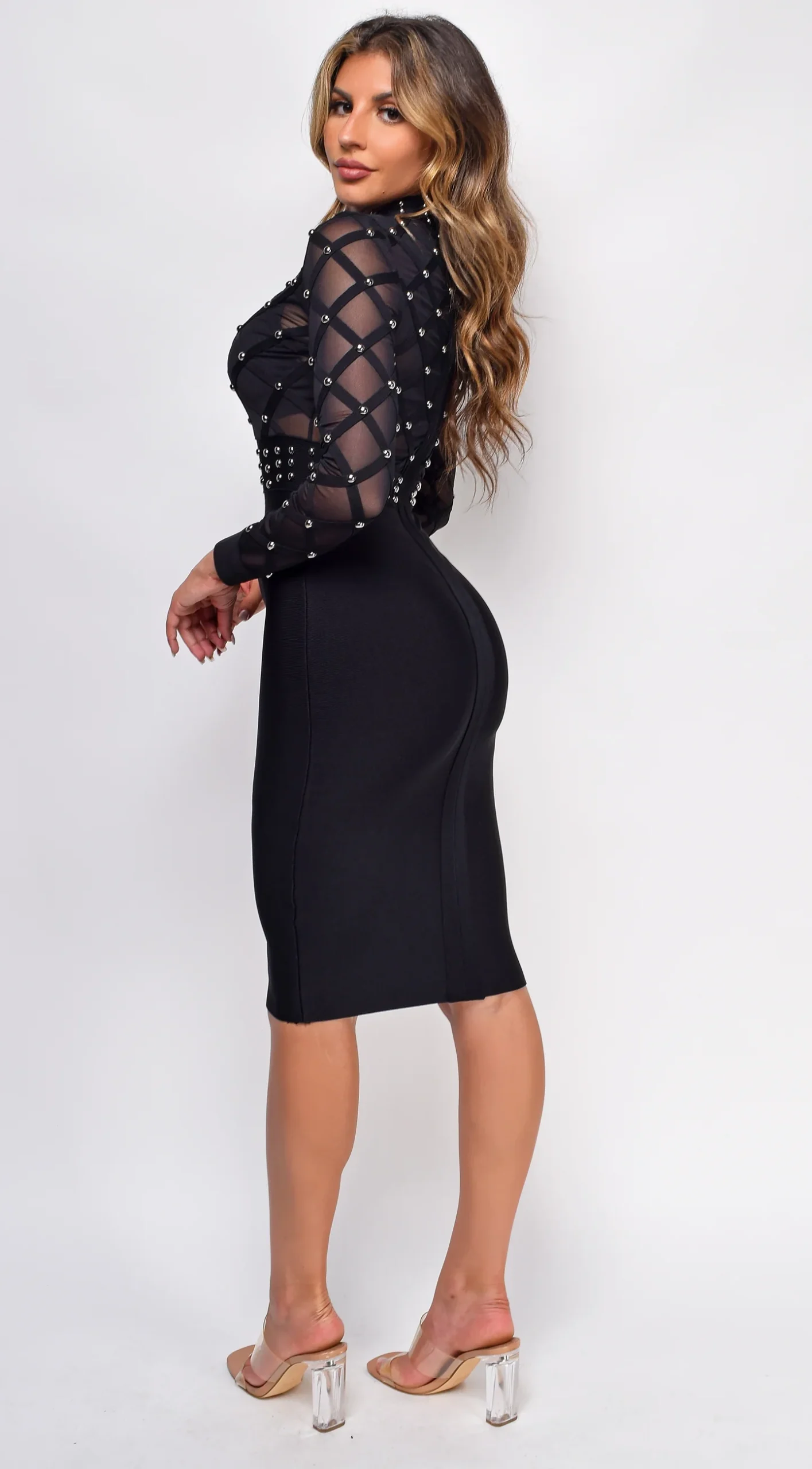
Its return hasn’t been loud. There hasn’t been a single moment where the fashion world collectively decided it was back. Instead, it happened gradually. Kim Kardashian wore a vintage Hervé Léger to a Dolce & Gabbana dinner in Milan. Dua Lipa stepped out in a custom Alaïa bandage piece that dominated Instagram for a week. Net-a-Porter featured a modern interpretation in their seasonal edit. Stylists started reaching for structured silhouettes again. Then suddenly it was everywhere. Not in the same way it was fifteen years ago. Different. More refined. Less obvious.
And perhaps that’s exactly why it’s working. I remember seeing photographs from the amfAR gala during Cannes last year. The room was filled with expensive clothing. Custom tailoring. Designer gowns. Pieces that were undoubtedly beautiful. Yet one of the most memorable looks was surprisingly simple.
A black bandage dress. No dramatic embellishments. No oversized accessories. No attempt to chase a trend. Just strong construction, clean lines, and a silhouette that looked incredibly intentional. That’s the thing about a great bandage dress. When it’s done properly, it doesn’t need much help.
The Difference Between Trendy and Timeless
Fashion loves calling things timeless. Sometimes too much.
Not everything deserves that label. Many pieces marketed as “investment fashion” end up looking dated within a few seasons. That’s simply the reality of the industry. Trends move quickly. Consumer preferences change. What’s considered essential today can feel irrelevant surprisingly fast. The bandage dress has managed to avoid that fate.
Part of the reason comes down to construction. When Hervé Léger first introduced the bandage dress in the early 1990s — inspired by Azzedine Alaïa’s body-conscious approach to design — the appeal was never about prints, embellishments, or seasonal trends. The bandage dress is built around shape. Its appeal comes from structure rather than decoration. That’s a much harder thing to date.
Good tailoring looked elegant twenty years ago. It looks elegant today. It will probably look elegant twenty years from now. Fashion evolves. Proportion doesn’t. That’s why structured silhouettes continue finding new audiences, even after periods when they seem temporarily forgotten.
Luxury Has Become More Personal
Something else has changed over the past decade.
Luxury consumers don’t shop the same way they used to. There was a time when status often came from recognizable logos and instantly identifiable pieces. Today, many buyers seem more interested in quality, craftsmanship, and how something actually makes them feel.
The conversation has become more personal. People aren’t necessarily asking, “Will everyone recognize this?” They’re asking, “Will I still love wearing this in three years?” It’s a better question.
And honestly, it’s probably a healthier one too. That shift helps explain why structured eveningwear has regained attention. Women investing in premium wardrobes are increasingly looking for pieces that offer longevity rather than momentary excitement.
Collections like Emprada’s bandage dress collection continue attracting attention for precisely that reason. The appeal isn’t limited to trends or social media moments. It’s rooted in the idea that great design can remain relevant long after seasonal fashion conversations have moved elsewhere. That’s not always easy to achieve. Most brands never do.
Why the Silhouette Refuses to Disappear
Fashion editors have predicted the death of the bandage dress more than once.
They’re usually wrong. Not because the dress dominates every season. It doesn’t. The reason is simpler. Women keep wearing it. Fashion can declare something finished. Consumers have a vote too.
And many women continue returning to silhouettes that make them feel confident, polished, and comfortable in their own skin. That’s where the bandage dress has always excelled. It doesn’t hide behind trends. It doesn’t rely on dramatic styling tricks. It succeeds or fails on construction alone.
That’s a difficult standard for any garment to meet. The best versions manage it effortlessly. The weaker versions never quite do. Perhaps that’s why the style has maintained such a loyal following over the years. People recognize the difference.
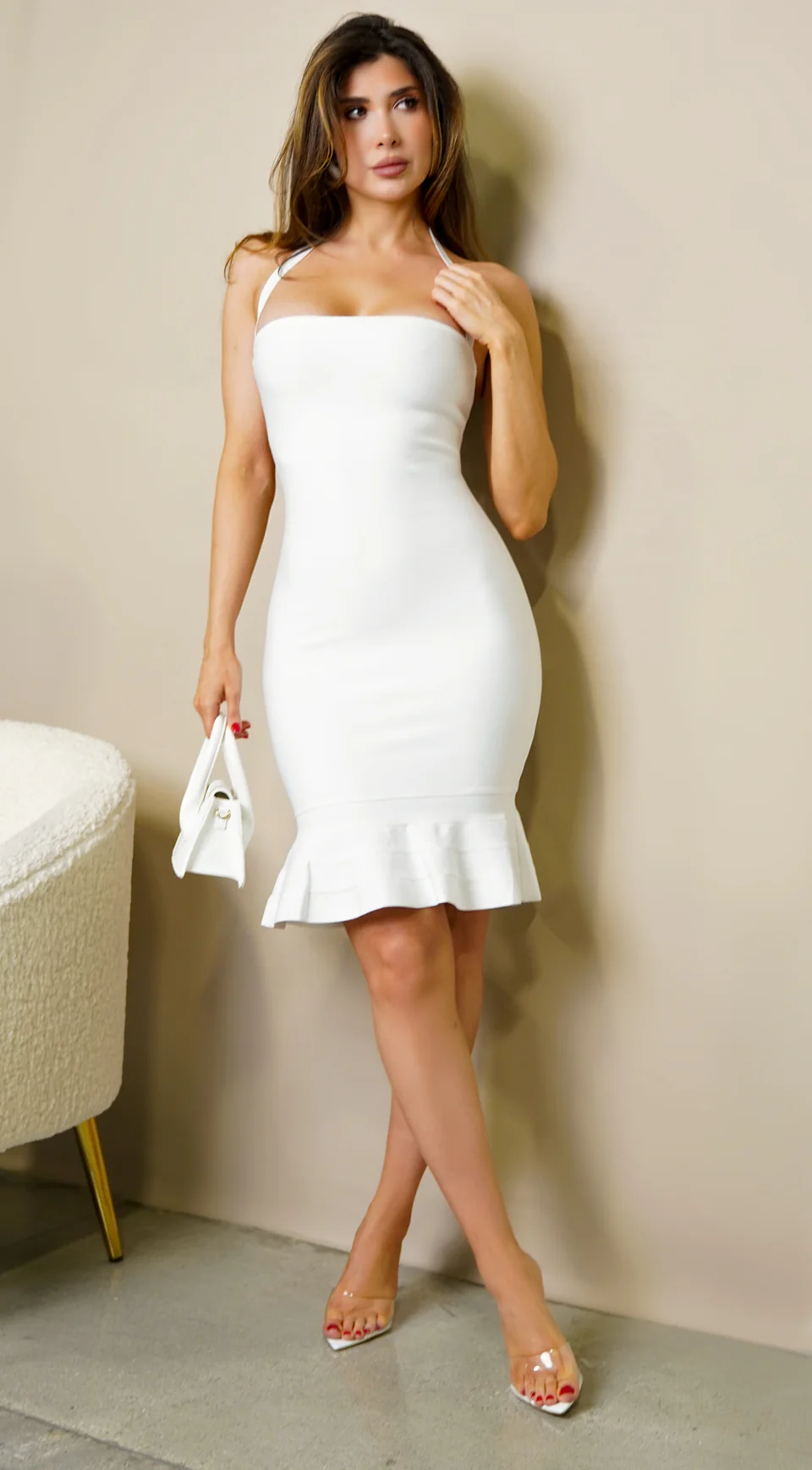
Maybe It Never Really Left
The more I think about it, the less convinced I am that the bandage dress ever truly disappeared. Fashion simply stopped talking about it for a while.
There’s a difference. Some garments survive because they adapt. Others survive because they become classics. The bandage dress sits somewhere between those two ideas.
It evolves. But it also remains recognizable. That’s rare. Especially in an industry that constantly rewards novelty.
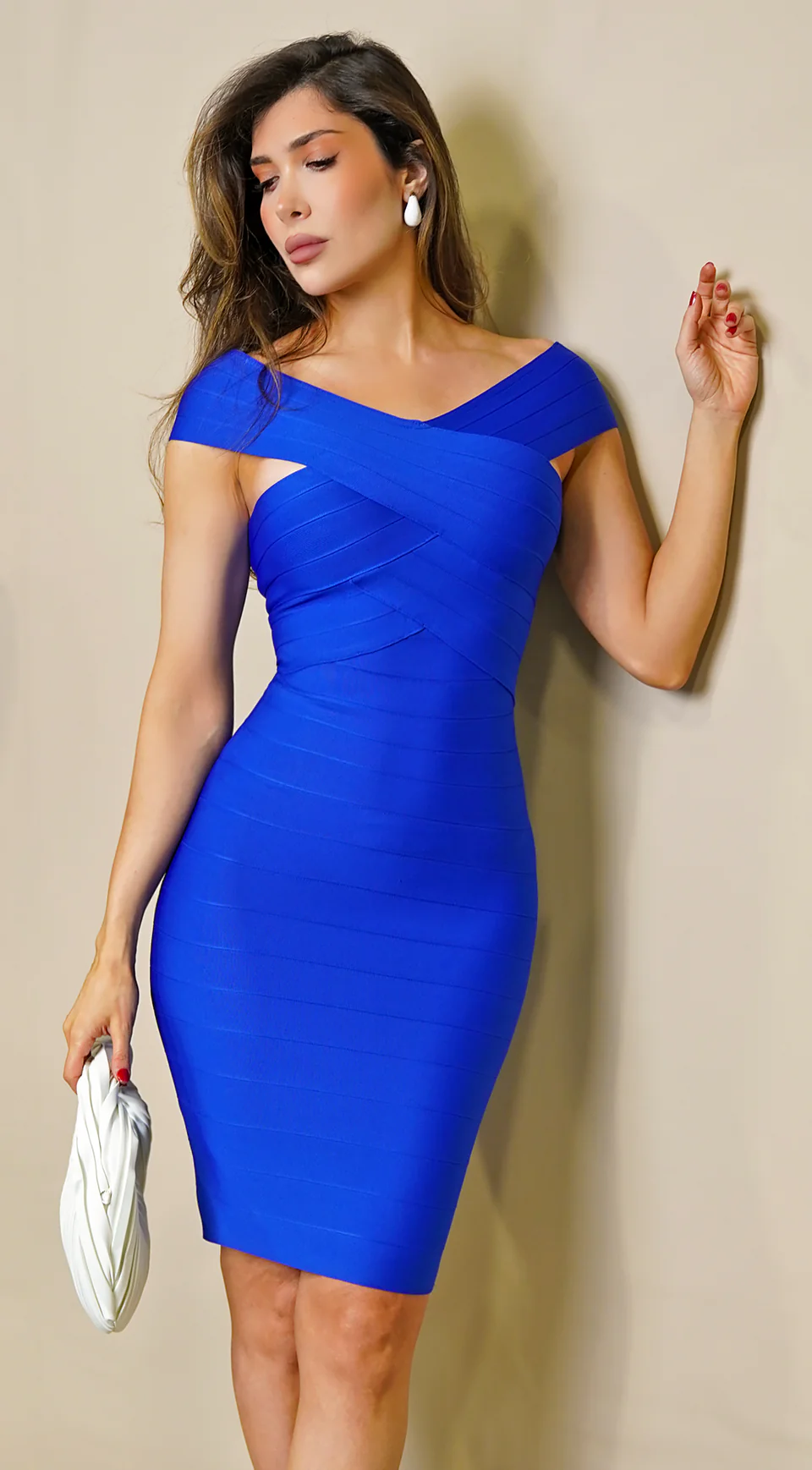
Luxury fashion often celebrates innovation, and rightly so. New ideas keep the industry moving forward. Yet there will always be room for pieces that have already proven themselves. Pieces that don’t need reinvention every season. Pieces that continue earning their place in a wardrobe year after year.
The bandage dress feels like one of those pieces. Not because fashion decided it should return. Because enough women quietly kept wearing it while everyone else was busy predicting its disappearance.