




Finding comfortable shoes for wide feet is not always easy. Many styles look fine at first, but after a few hours, pressure starts building around the sides or toes. Some people try going a size up, but that often creates a different problem with length and stability.
As footwear design changes, new options are starting to focus more on shape and structure instead of just size. One of these is 3D printed footwear, which manufacturers shoes differently. This article looks at what wide feet actually need and how 3D printed shoes compare in daily use, including how Nexbie fits into this shift.
What Makes a Shoe Comfortable for Wide Feet?
Comfort for wide feet is not only about extra space. It is about how the shoe holds the foot during movement.
1. Natural Toe Space
The toes need room to spread slightly while walking. When this space is limited, pressure builds quickly.
2. Balanced Fit
A good shoe should feel steady without squeezing the sides. Balance matters more than tightness.
3. Flexible Upper Structure
Rigid materials can press against wider areas of the foot. Flexible designs reduce that pressure.
4. Even Weight Distribution
If weight sits on one point, discomfort builds during longer wear.
Many people think sizing up fixes the issue. In reality, it only changes length. The width often stays the same, which is why discomfort still appears.
How 3D Printed Shoes Are Different
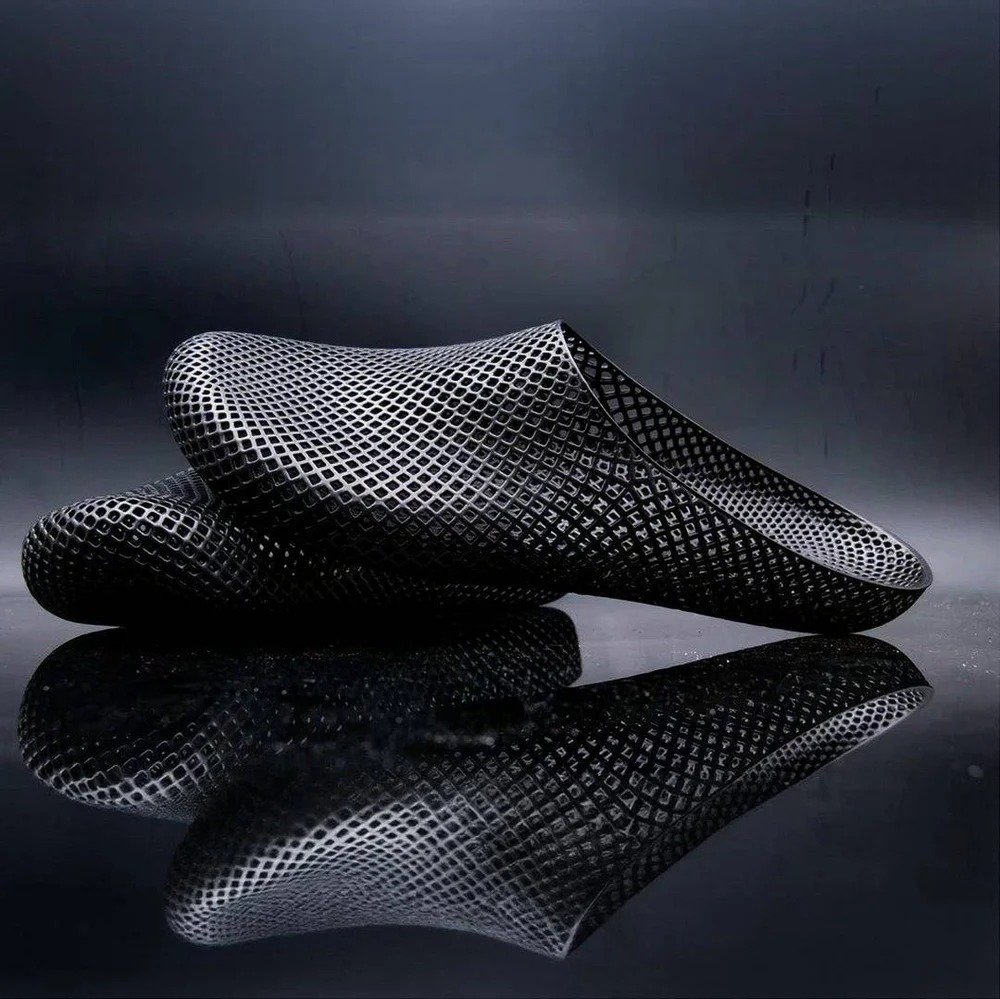
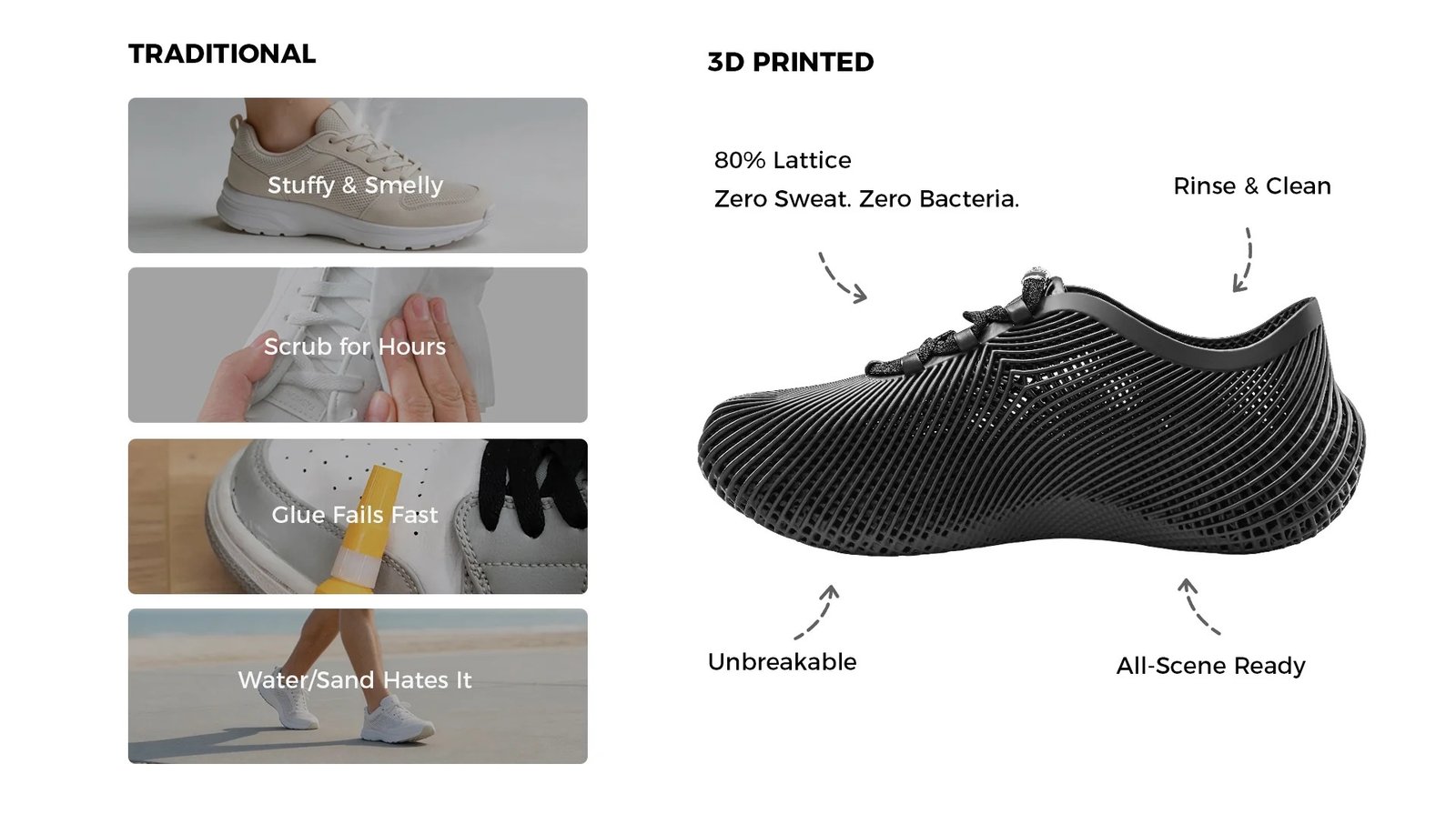
3D printed shoes are not made by stitching or gluing parts together. They are formed as a single structure from a digital design. This changes how the shoe behaves during movement.
Instead of layers, the shoe often uses a patterned structure that flexes naturally. This helps the shoe adjust slightly to the foot shape instead of forcing the foot into a fixed mold.
The design also includes small open spaces inside the structure. These spaces help to resist stiffness and allow air to flow inside the shoe.
This method releases pressure points over time. The shoe isn’t built with thick foam or hard edges. It spreads the force more evenly over the foot.
Why 3D Printed Shoes Work for Wide Feet
Here is how 3D-printed shoes work for wide feet:
- 3D-printed shoes are made of a material that bends with the walking motion, instead of resisting it.
- The flexible structure of 3D-printed shoes eases the tight feeling in the wider areas of the feet.
- The 3D-printed shoes are less bulky, making daily movements easier, especially on long walks.
- There is less breakdown in 3D printed shoes as compared to foam-based shoes that lose shape.
Softness is not the only significant difference. That is how the shoe distributes pressure rather than concentrating it on one spot. Nexbie is part of this move in footwear design to structure-driven comfort rather than size adjustments.
Nexbie 3D-Printed Shoes for Wide Feet
Aeroraise 3D Printed Sneakers
For people with wider feet, the benefit comes from how the shoe adjusts to shape instead of forcing the foot into a narrow frame. The structure naturally gives more room in key areas while still holding the foot securely.
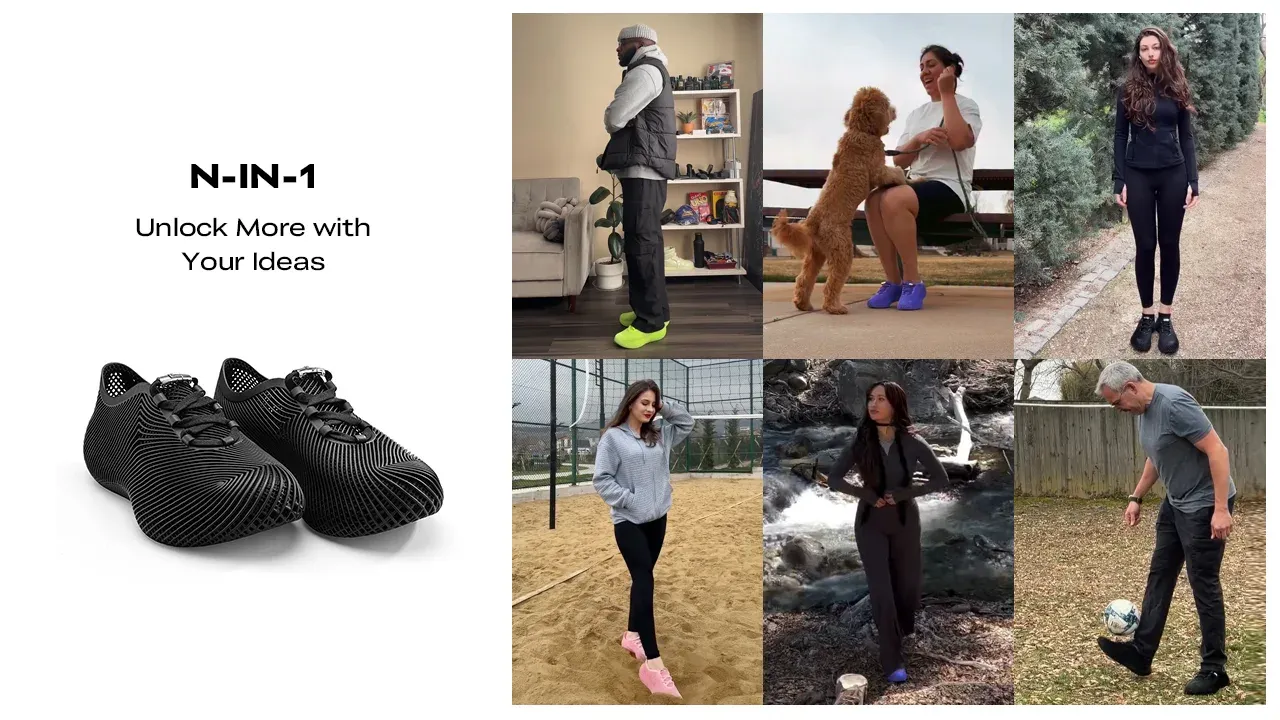
The Aeroraise 3D printed sneakers show this approach clearly in everyday use. Nexbie focuses on making the shoe feel stable without making it stiff, which helps during long hours of walking or standing.
Since there are no glued layers, there are fewer weak points that can separate over time. Nexbie also designs its shoes for consistent daily use, not just short-term comfort.
- Built using a 3D-printed one-piece structure
- Flexible polymer material for daily movement
- Open lattice design for airflow
- Lightweight feel for long wear
- Designed to reduce pressure on wider foot areas
- Suitable for walking, commuting, and casual use
Nexbie uses 3D printing instead of traditional layered construction. The shoes are built as one continuous structure, which removes the need for glue or stitched joints. This helps maintain shape consistency over time.
The material used in Nexbie shoes is a flexible polymer designed for daily wear. It supports movement while staying light on the foot. The structure includes open patterns that allow airflow through the shoe, which helps reduce heat buildup during long use.
Tips for Choosing Shoes for Wide Feet
Small choices can improve comfort more than size alone.
1. Check Real Toe Space
Your toes should not feel pressed together when standing.
2. Look at Shape, Not Just Size
Two shoes in the same size can fit very differently.
3. Walk Before Deciding
Comfort should feel natural from the start.
4. Avoid Over-Rigid Materials
Stiff surfaces often create pressure points during long wear.
5. Think About Daily Use
Match the shoe to the way you really move throughout the day.
These steps help reduce trial and error when choosing footwear.
Conclusion
Wide feet need more than a bigger-sized shoe. Comfort depends on the shape, flexibility, and pressure distribution. Conventional shoes are produced with static structures that don’t fit various foot shapes. 3D-printed shoes are different. They focus on a flexible design and even support. Understanding the difference can help you choose shoes that feel better in your daily life.