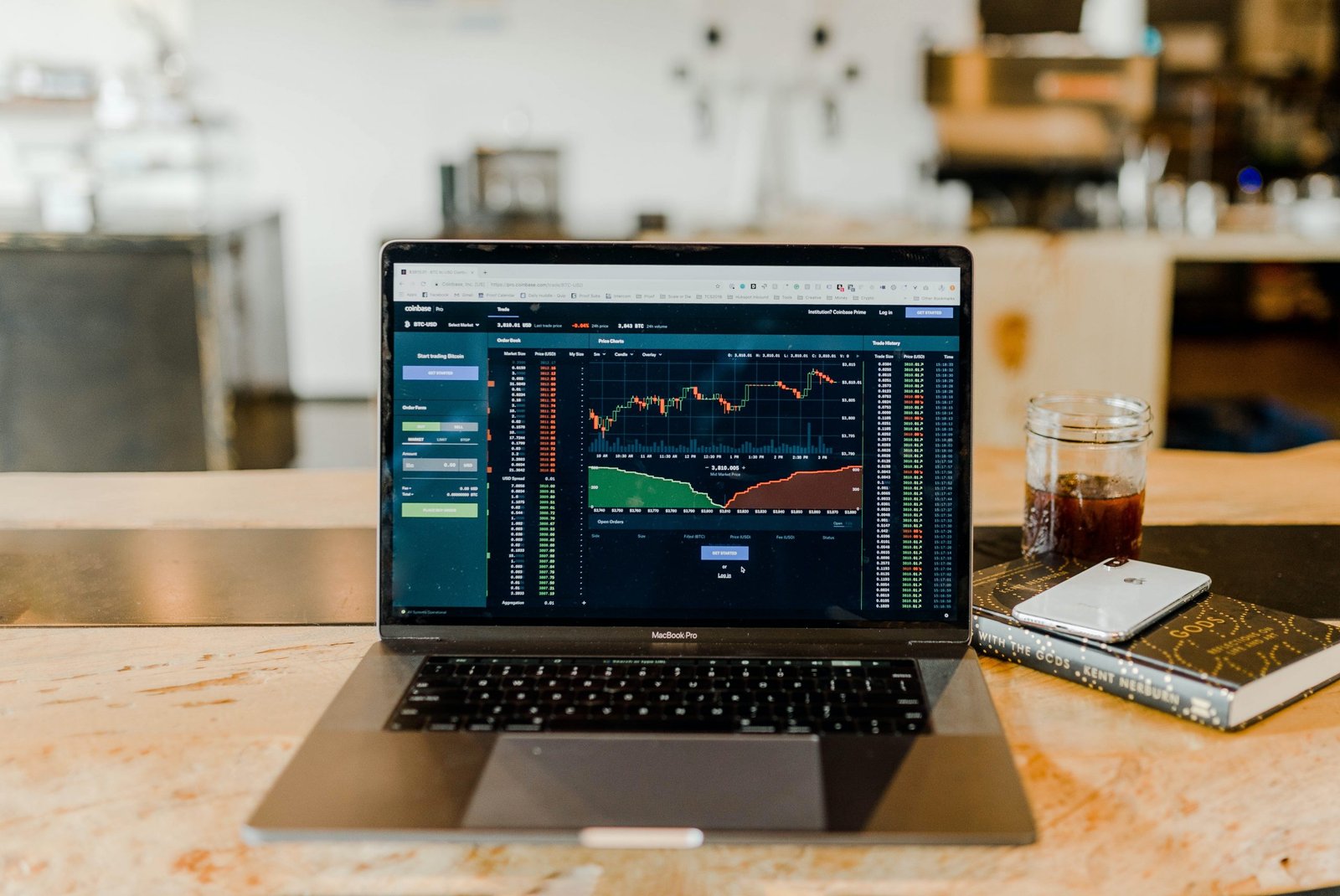







Anyone who has spent time trading crypto has probably noticed how some markets feel smooth and efficient while others are chaotic and difficult to trade. Behind many of the industry’s most liquid exchanges are specialized firms known as market makers in crypto.
These firms play a major role in maintaining stable order books and ensuring traders can execute positions without major price disruption. Understanding who are crypto market makers is essential for anyone involved in trading, launching tokens, or operating exchanges. Their activity directly impacts liquidity, spreads, volatility, and overall market quality.
What Is Crypto Market Making?
Crypto market making is the process of continuously placing buy and sell orders on a cryptocurrency exchange to maintain market liquidity. The goal is to ensure traders can buy or sell assets efficiently without causing sharp price swings. In practical terms, market makers constantly quote both sides of the market. For example, if Bitcoin trades near $100,000, a market maker may simultaneously place buy orders at slightly lower prices and sell orders at slightly higher prices. The difference between those prices is called the spread, which becomes one of the firm’s primary revenue sources.
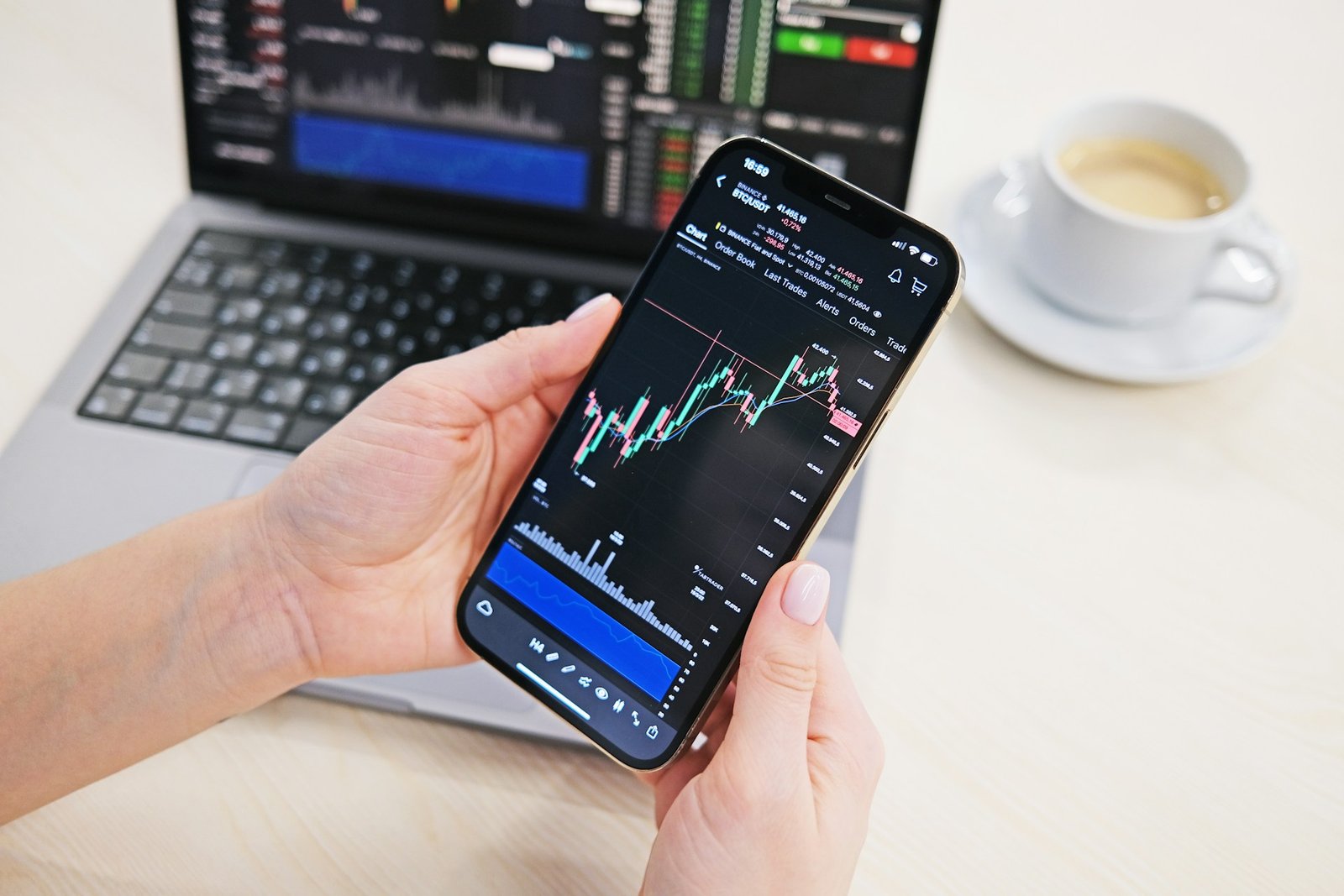
Who Are Crypto Market Makers?
They are usually professional trading firms, proprietary trading companies, hedge funds, or liquidity providers specializing in maintaining healthy trading activity across exchanges. Some of the largest firms operate globally and provide liquidity for major exchanges, token issuers, and institutional investors. While retail traders occasionally provide liquidity manually, most large-scale market making activity comes from institutional participants with sophisticated technology stacks. In modern crypto markets, speed and execution quality are critical competitive advantages.
Functions of a Crypto Market Maker
These functions extend far beyond simply posting buy and sell orders. Their activity helps maintain the overall efficiency of the market. Some of the core responsibilities include:
- Maintaining order book depth
- Reducing bid-ask spreads
- Improving trade execution
- Stabilizing volatile markets
- Supporting exchange liquidity
- Assisting token launches
From a trader’s perspective, strong market making creates smoother trading conditions. One of the easiest ways to identify poor liquidity is during volatile altcoin trading sessions, where thin order books can cause severe slippage. Experienced traders quickly learn that liquidity quality often matters just as much as technical analysis.
How Crypto Market Makers Operate
Professional market makers rely heavily on automation and quantitative trading models. Human traders still monitor systems, but most execution decisions happen through algorithms. These systems continuously analyze market conditions such as volatility, volume, order flow, and arbitrage opportunities. Based on that data, algorithms update thousands of orders across multiple exchanges in real time.
The Importance of Cryptocurrency Colocation
One concept that often surprises newer traders is cryptocurrency colocation. Colocation refers to placing trading servers physically close to exchange infrastructure. This minimizes latency, which is the delay between sending and receiving market data or orders. In highly competitive crypto trading environments, even milliseconds matter. Faster execution allows market makers to update prices more efficiently and avoid unfavorable trades during rapid market moves.
What Is a Crypto Market Making Program?
A crypto market making program is typically a structured agreement between a token project or exchange and a professional market-making firm. These programs are commonly used by newer projects seeking healthier liquidity after listing on exchanges. Without market making support, even promising tokens may struggle with low volume and unstable price action. A market making program may include minimum liquidity targets, spread requirements, trading volume objectives, and reporting obligations. Some programs compensate firms with fees, token allocations, or performance-based incentives.
Why Market Makers Matter in Crypto
The role of market makers in crypto has become increasingly important as institutional adoption grows. Large traders and funds require deep liquidity to manage sizable positions efficiently. Without professional market makers, many crypto exchanges would suffer from poor execution quality and excessive volatility. This would discourage institutional participation and reduce market confidence overall. For active traders, good market making often goes unnoticed because everything works smoothly. Ironically, traders usually notice liquidity providers only when liquidity disappears during extreme volatility.

Conclusion
Cryptocurrency market making is one of the foundational mechanisms supporting modern digital asset trading. Crypto market makers provide liquidity, tighten spreads, and improve overall market stability across exchanges. By using advanced algorithms, cryptocurrency colocation, and sophisticated risk management systems, these firms help maintain efficient trading environments. Understanding the functions of a crypto market maker gives traders deeper insight into how cryptocurrency markets operate and why liquidity remains critical for long-term industry growth and adoption.