
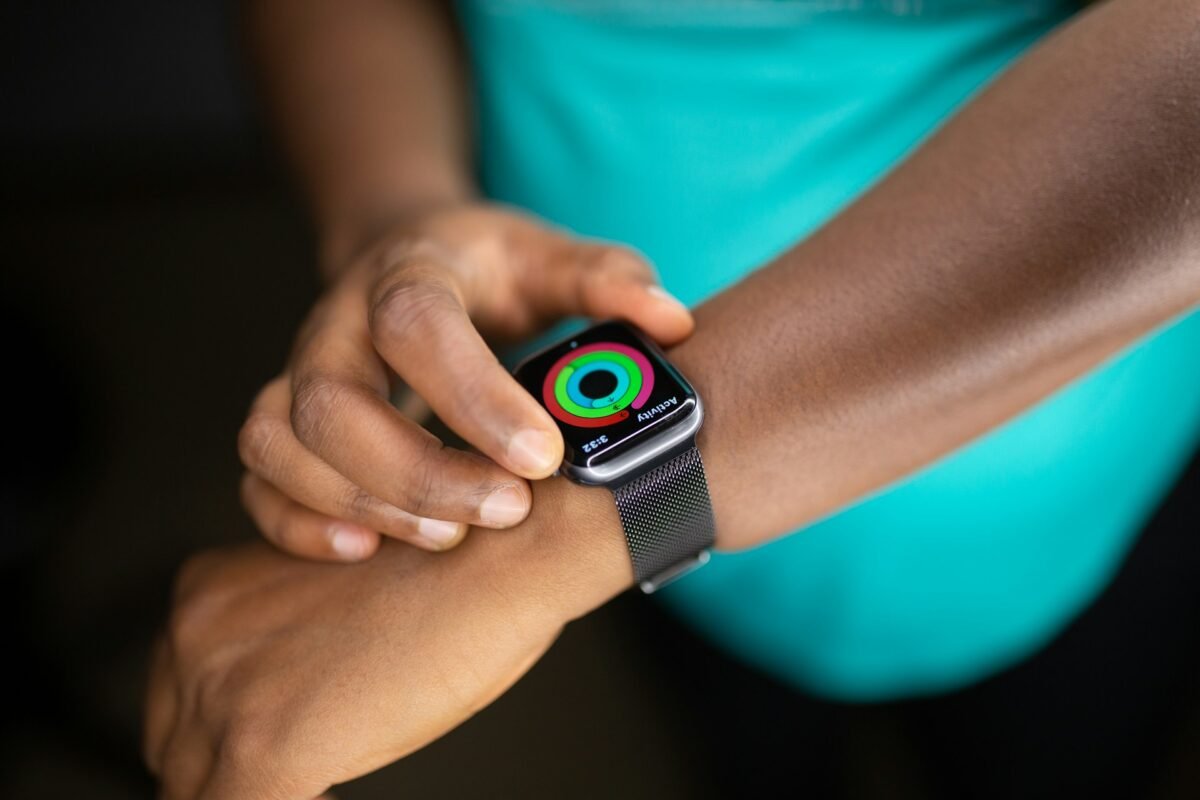

It used to be that when you thought about branding, your mind went straight to screens.
You’d think about the logo sitting in the top left corner of a website, the specific hex codes used for a social media graphic, or how a digital ad looks on a smartphone. We spent years obsessing over digital consistency because that was where everyone was looking. That hasn’t necessarily changed, but the digital landscape has become so incredibly noisy that everything is starting to look like a blur. Because of that digital fatigue, something interesting is happening. Companies are moving their identities back into the physical world. It isn’t happening through loud, aggressive billboards or pushy sales tactics. Instead, it’s happening through the things people actually wear and carry every day.
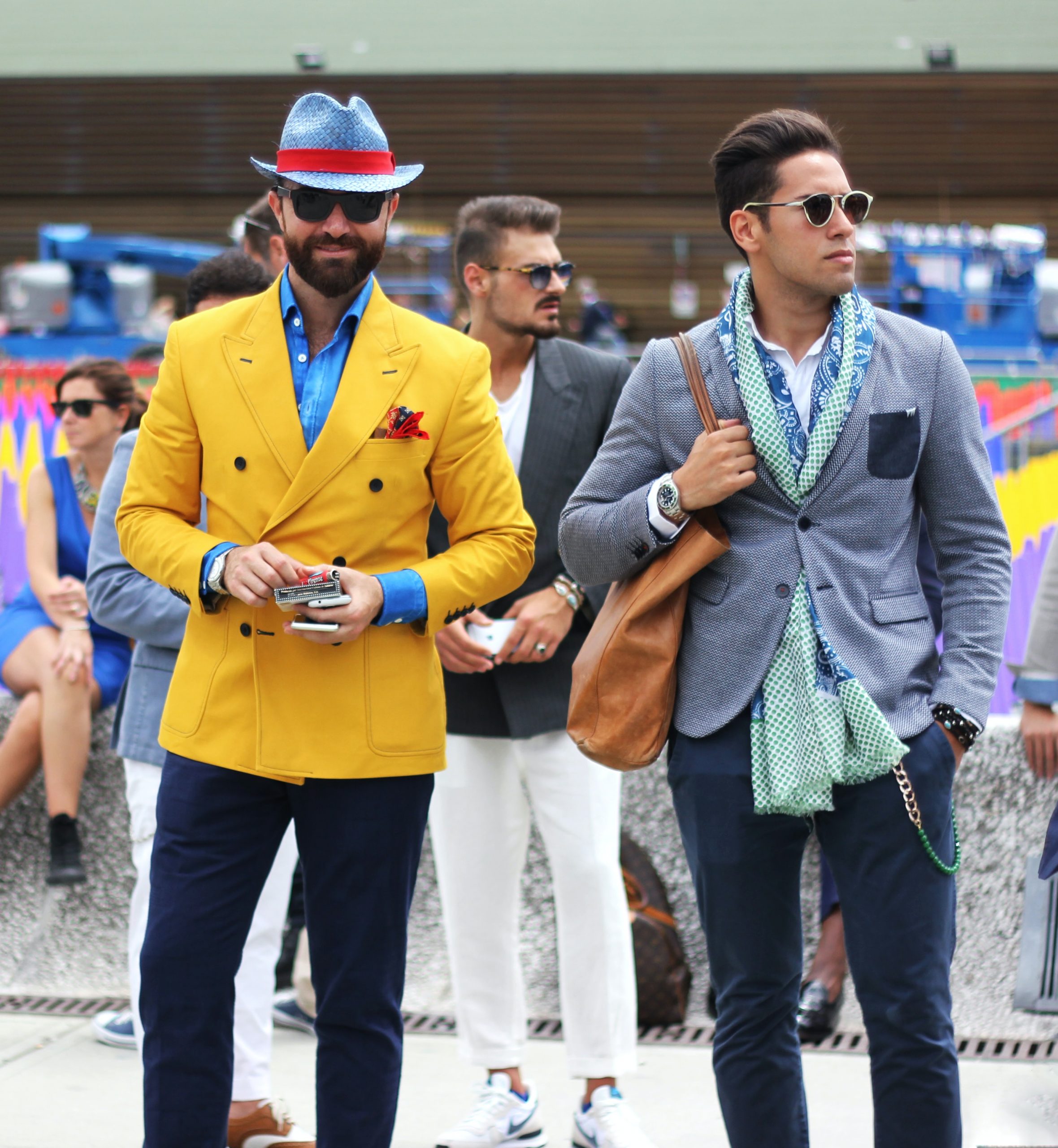
This isn’t about traditional corporate uniforms or cheap promotional swag that ends up in a junk drawer. It is much more subtle than that. It is about creating a shared visual language that exists in real life. For example, many teams are realizing that high quality customizable hoodies can act as a bridge between a digital concept and a real world presence. When a team wears something that looks and feels great, it doesn’t feel like a marketing stunt. It just feels like cohesion. It is a quiet signal that says, “We are all building this together,” and that carries a lot of weight.

Moving Beyond the Screen
Most of us encounter a brand for the first time online. We see a post, a video, or a website. That is the usual entry point, but digital identity is notoriously fragile. It relies entirely on our attention span, which is constantly being pulled in a dozen different directions.
Wearable branding adds a layer of permanence. It takes an abstract idea and makes it something you can actually touch. When a brand shows up in physical spaces, it stops being just a name on a screen and starts being associated with a person, a place, or a specific moment in time.
That shift is huge for how we remember things. Our brains don’t usually store logos as isolated files in a folder. Instead, we remember context. We remember who we were with, where we were standing, and the vibe of the room. When apparel is part of that environment, it weaves itself into the memory without having to shout for attention.
How Our Brains Process Recognition
Human memory is actually pretty messy. We aren’t great at remembering tiny details, but we are experts at recognizing patterns and shortcuts. We look for familiar shapes and repeated signals that show up in different places.
This is why wearable branding is so effective. It introduces repetition in a way that feels organic. If you see a few people wearing a specific design at a tech meetup, and then you see that same design a week later at a coffee shop, your brain starts connecting those dots. You might not even realize it’s happening, but a sense of familiarity starts to take root. That familiarity is the foundation of trust.
It Is About Culture, Not Just Marketing
One of the coolest parts of this shift is that clothing is being used as an internal cultural tool rather than just an external marketing asset. A simple sweatshirt or a well designed tee isn’t just representing a company to the outside world. It serves the team first.
It becomes a marker of belonging. It’s a small, daily reminder that everyone is pulling in the same direction, which is especially important on the days when work feels like a grind. This is where the distinction between merch and identity becomes clear. Traditional merchandise is about visibility at any cost. Identity branding is about alignment. When a team is aligned on the inside, that energy naturally radiates outward.
The Startup Advantage
Big corporations often have a hard time with this. When a massive company tries to do wearable branding, it often feels stiff, overly corporate, or forced. Startups and small teams have a massive advantage here because their identities are still fluid.
In the early days, nothing is set in stone. The messaging is evolving and the visual style is still being tested. In that environment, clothing is an extension of the experiment. You’ll often see founders wearing their own gear not because they are trying to sell something, but because it’s part of their daily life.
There is a delicate balance to strike here. If the branding feels too intentional, it lose that human touch. If it’s too messy, it doesn’t leave an impression. The sweet spot is something that feels consistent enough to be recognized but casual enough to be lived in.
The Offline Layer
We spend so much time talking about SEO, social media metrics, and engagement rates that we often forget about the offline layer of human experience. Real world interactions might be harder to track in a spreadsheet, but they carry a lot of emotional weight.
Meeting someone face to face or recognizing a visual brand in an unexpected place creates what you might call a memory anchor. These moments don’t show up in your Google Analytics, but they are often the reason someone remembers your name six months later. Because clothing travels with people, it places a brand in coffee shops, parks, and airports. It puts the identity in places where marketing usually isn’t allowed to go.
Keeping It Simple
A common mistake people make is thinking that branding has to be complicated. In reality, it just needs to be recognizable. You don’t need a complex visual system to make an impact. You just need a few elements that feel unified.
Over time, those small, consistent choices build up. They create a sense of history and stability. It makes a young company feel like it has been around for a long time, simply because it has a cohesive presence in the physical world.
The Human Need to Belong
At the end of the day, people want to be part of something. This is especially true in professional environments where things can often feel cold or transactional. Wearing something that connects you to a group of people creates a subtle emotional bond. It isn’t about status or showing off. It is about the simple human desire for connection.
It makes a small group feel like a unit. It makes the progress you’re making feel more tangible and real. These are small psychological shifts, but they add up to a much stronger brand identity over the long haul.
Creating Lasting Memories
The most interesting thing about wearable branding isn’t the fabric or the design. It’s the way it lingers in the mind. People rarely remember the exact font of a logo they saw on a website, but they remember the feeling of a community.
Apparel becomes a fragment of that memory. It doesn’t demand that you stop and look at it. It just exists alongside you, repeating quietly in different settings. That quiet repetition, combined with real human context, is exactly what the brain is wired to hold onto.
In a world where everything is fighting for a split second of your digital attention, having a physical presence feels more important than ever. It isn’t about being the loudest person in the room. It’s just about being the hardest to forget.