





Public art projects are making a real difference in Richmond neighborhoods.
They bring people together, brighten public spaces, and help neighborhoods show off their unique character. From murals in historic districts to functional art in community gardens, art is becoming part of everyday life for Richmond residents.

As more projects appear outside the downtown core, all kinds of neighborhoods are getting involved. The vision for the Richmond Arts Corridor is to connect areas like Macdonald Avenue and 23rd Street, letting more people experience the arts close to home. These efforts are adding color and energy while also creating spaces where people want to gather and connect.
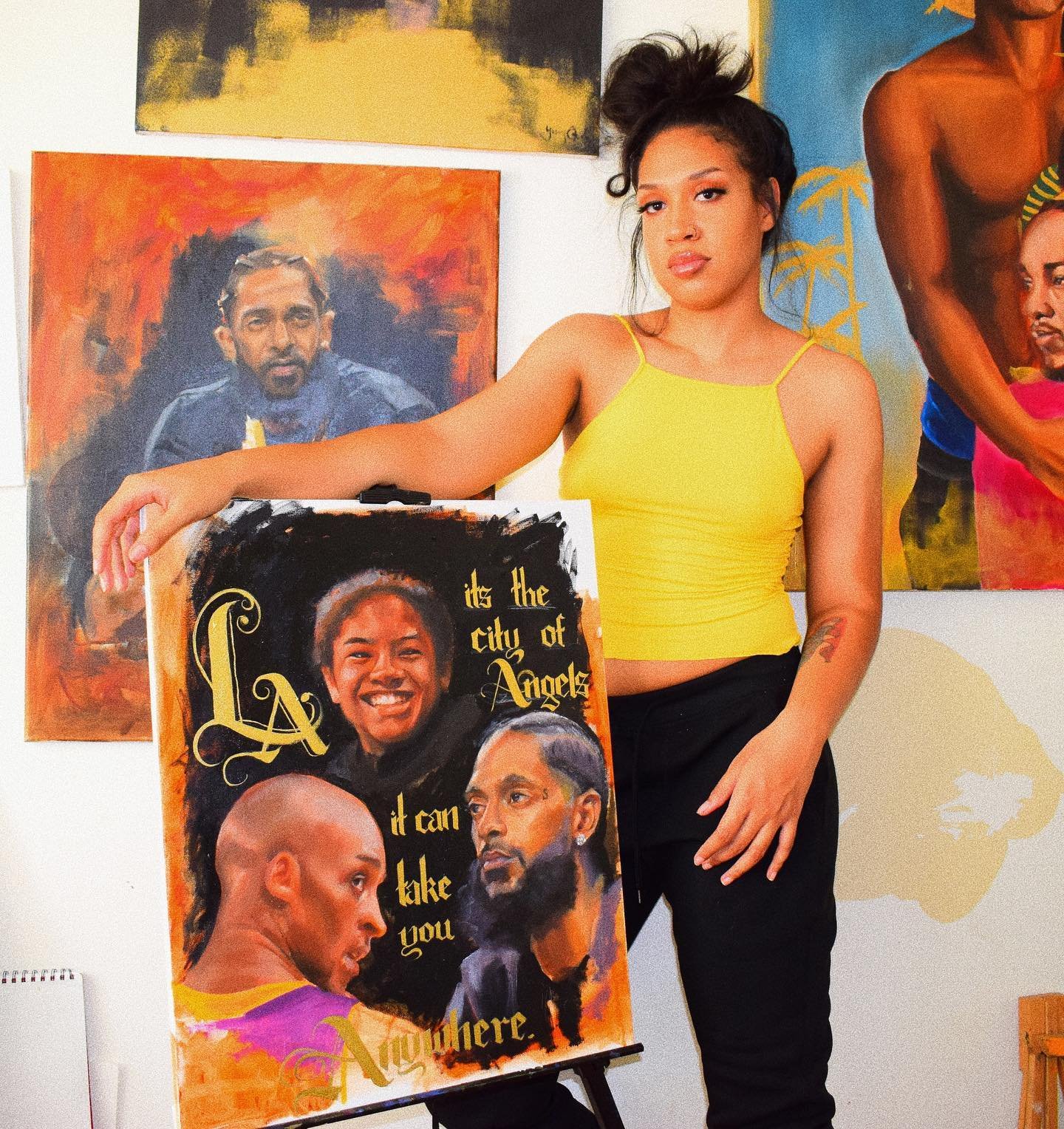
Local artists are working closely with neighbors to celebrate community stories through murals, sculptures, and even art parks. This transformation is making Richmond’s neighborhoods both more inviting and more reflective of the people who live there.
The Impact of Public Art on Richmond Neighborhoods
Public art projects are bringing new life to different parts of Richmond. These projects are not only adding color and creativity but also helping people feel more connected to where they live and encouraging them to take part in local activities.
Strengthening Community Identity
Murals, sculptures, and other art pieces are becoming landmarks across several Richmond neighborhoods. These works often tell stories about the local people and history, from celebrating community leaders to capturing important events.
Local artists are given a platform to share their voices that may not be seen in traditional museums. Residents see parts of their culture reflected on city walls and in parks. This helps everyone, new and old, feel a sense of pride and belonging.
Murals in places like Jackson Ward and Manchester show how art can give neighborhoods a unique personality. Art projects often highlight what makes each area special, turning public spaces into symbols of community spirit.
Revitalizing Public Spaces
Street art and installations have changed how residents and visitors use parks, underpasses, and sidewalks. Spaces that once felt empty or neglected are now active gathering spots.
Community gardens have added functional art that makes gardening and spending time outside more enjoyable. Painted intersections, plaza improvements, and new sculptures make the city feel safer and more welcoming.
Projects like large murals or colorful benches encourage people to walk and explore parts of the city they may have ignored before. This increase in foot traffic helps support nearby businesses and brings more life to local streets.
Encouraging Civic Engagement
Public art encourages people to get involved in their neighborhood. Many projects invite residents to help design or create the artwork, giving them a direct role in shaping their environment.
Local boards and commissions invite artists to propose ideas and hold public meetings where anyone can give feedback. This process turns art into an open conversation between artists and the community.
Residents are more likely to care for and protect spaces that they helped improve. Seeing their input on display in murals or sculptures can boost community pride and motivate others to join similar projects.
Notable Public Art Projects in Richmond
Public art in Richmond has brought new life and interest to many neighborhoods. From colorful murals to interactive installations, these projects highlight both creativity and local history.
Murals Shaping Local Culture
Richmond’s mural projects started making headlines in 2012 when artists from around the world began painting large, vibrant scenes across the city’s buildings. These murals brighten residential and commercial walls, making art visible in everyday spaces.
Key Murals:
-
Celebratory murals in neighborhoods like Jackson Ward include work from both local and international muralists.
-
Some pieces are inspired by historical events, local cultural icons, and social movements.
Murals often reflect Richmond’s diverse heritage. Bright colors and bold designs have turned dull buildings into landmarks people recognize and appreciate. Annual festivals celebrate new murals, inviting residents to watch the process and learn about the artwork.
Sculptures and Installations in Urban Renewal
Richmond’s streets and public parks now feature sculptures and installations that change the atmosphere of their environments. Large-scale pieces under bridges or at busy intersections create new gathering spaces.
Notable Examples:
-
A new installation in the center of a historic district combines a pedestrian plaza, mural art, and a small park area. This project marks the 150th anniversary of a well-known neighborhood.
-
Playful and interactive installations encourage visitors and locals to stop, explore, and engage with the area in new ways.
These projects aim to make spaces more welcoming and to support the ongoing changes in city neighborhoods. Many installations blend artistic vision with public use, such as benches that double as sculptures or light features that improve safety and visibility.
Collaborative Initiatives with Local Artists
Working together with local artists and residents has been key in shaping Richmond’s public art landscape. Artists are invited to add their voices to projects, bringing unique views and personal stories to the work.
Collaboration in Action:
-
Community meetings and workshops allow residents to suggest themes, vote on designs, and sometimes even help create the art.
-
Local artists research the history and culture of target areas before creating their designs.
Public art agencies frequently choose projects that reflect what makes each neighborhood unique. Combining community input with artists’ creativity, the city has developed murals and installations that residents feel connected to and proud of. These projects build a sense of shared purpose and belonging.
Conclusion
Public art projects are reshaping Richmond neighborhoods through creative displays and community-driven murals. These projects bring people together, spark conversation, and help build a sense of pride in local spaces. By bringing art outside of city centers, more residents gain a chance to take part, making neighborhoods feel unique and included in city life.
Art in public areas leads to more gathering, new ideas, and personal expression. It helps transform ordinary spots into welcoming places for residents and visitors alike.
Public art is proving to be a steady influence in both forming community identity and inspiring residents to appreciate their neighborhoods.