





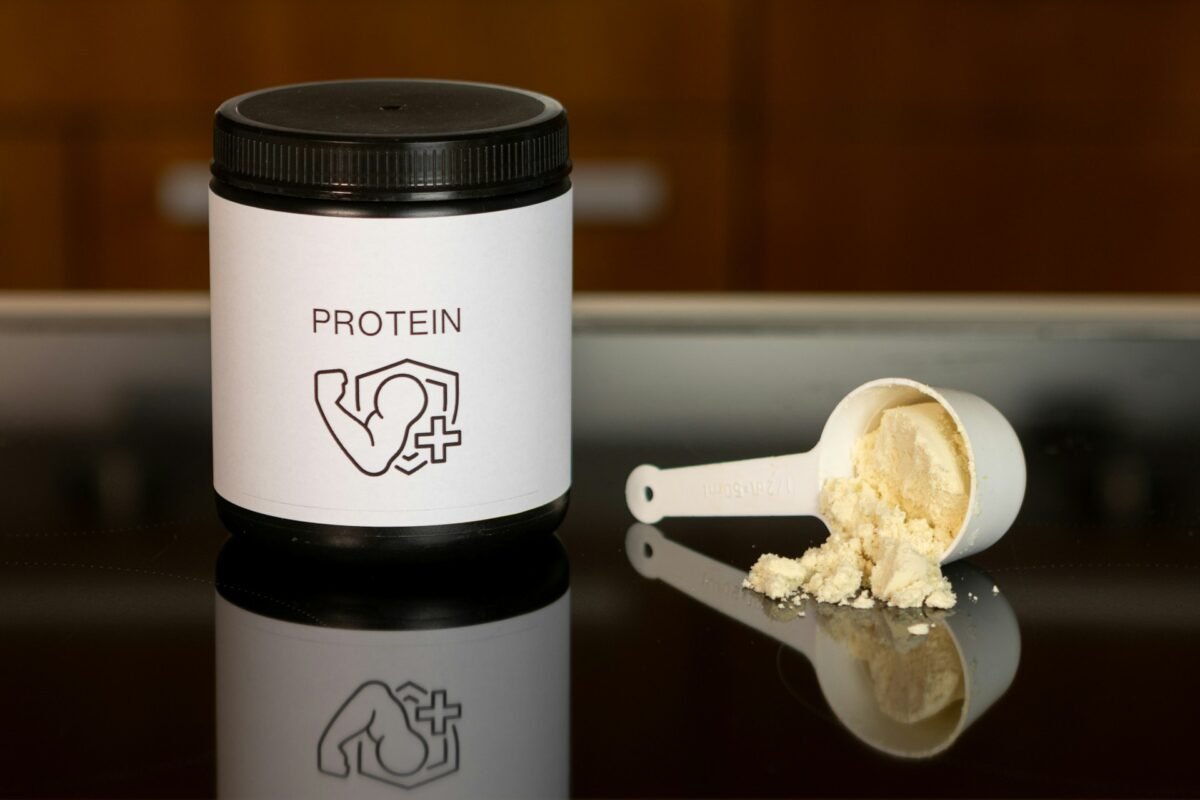

Walk into any gym, pharmacy, or health store today, and you’ll find shelves packed with powders, capsules, shakes, and performance formulas all promising better health, fast recovery and strong results.
The supplement industry has exploded into a multi-billion-dollar global market, fuelled by increasing health awareness, busy modern lifestyles, and a growing interest in fitness and longevity. But why has supplementation become such a central part of wellness culture? Part of the answer lies in how we live. Fast-paced schedules often leave little room for carefully planned meals. Many people struggle to consistently consume the nutrients their bodies need through food alone. Add to that concerns about agricultural soil depletion, changing dietary habits, and the rise of fitness-focused lifestyles, and it’s no surprise that supplements have become a popular nutritional safety net.
Why Protein Supplements Matter
Still, it’s important to understand one key truth: supplements are designed to supplement your diet – not replace it. No amount of premium protein powder can substitute for a balanced diet, hydration, sleep, and movement. Instead, supplements are tools that help fill nutritional gaps, support specific goals, and enhance overall performance when used strategically.
Among all wellness products available, well-formulated and gut-friendly protein supplements remain one of the most widely used and scientifically supported options for muscle growth, tissue repair, recovery, and long-term physical performance.
The challenge? With endless varieties of protein powders, flashy marketing claims, and an overwhelming number of options advertised as the best protein powder for sale, choosing the right product can feel confusing.
The key to smarter supplementation lies in understanding how protein works, learning how different products support your goals, and building a safe supplement routine based on your body’s unique needs. Protein is one of the body’s most essential macronutrients. It plays a direct role in building, repairing, and maintaining tissues, producing enzymes and hormones, and supporting immune function.
For active individuals, protein becomes even more important because exercise (especially resistance training) creates tiny tears in muscle fibres. These tears are a normal part of training adaptation. The body repairs them through a process called muscle protein synthesis (MPS). When enough amino acids are available, especially leucine, your body can efficiently repair and rebuild muscle tissue, leading to improved strength, recovery, and performance.
This is where these supplements become incredibly useful. They provide a convenient, efficient source of high-quality protein that helps your body recover faster and adapt more effectively to physical demands.

Decoding Protein Sources
Not all supplements are created equal. Different sources offer different digestion rates, amino acid profiles, and benefits. Understanding these differences can help you choose the right product for your goals.
Whey Protein: The Fast-Acting Favourite
Whey protein is one of the most popular and well-researched protein powders available. Derived from milk during cheese production, whey is considered a complete protein because it contains all nine essential amino acids. It’s especially rich in leucine, the amino acid most responsible for triggering muscle protein synthesis.
Whey Protein Concentrate
This is the least processed form. It typically contains 70–80% protein, small amounts of lactose and some healthy fats and carbohydrates. It is best for general fitness and budget-conscious buyers.
Whey Protein Isolate
This form undergoes additional processing to remove more lactose and fat. It usually contains 90% or more protein, minimal carbs, and lower calorie content. It’s great for lean muscle goals, lactose-sensitive individuals, and post-workout recovery.
Whey Protein Hydrolysate
Hydrolysed whey is pre-digested for faster absorption. Its peptides are broken down into smaller chains, allowing quicker delivery of amino acids. Perfect for advanced athletes and those prioritising rapid recovery. Because of its speed of digestion and leucine content, whey remains the gold standard for post-workout recovery.
Casein Protein: The Slow-Release Builder
If whey is the sprinter, casein is the marathon runner. Also derived from milk, casein digests slowly because it forms a gel-like substance in the stomach. This allows amino acids to be released gradually over 6–8 hours. This steady release helps reduce muscle protein breakdown during periods of fasting, especially overnight. For people focused on muscle preservation or overnight recovery, casein can be a valuable addition to a supplement routine.
Plant-Based Protein Blends
Plant-based nutrition has grown rapidly, and modern protein supplements have evolved far beyond chalky soy powders. Today’s best plant-based formulas combine multiple protein sources such as pea protein, brown rice protein, soy protein and pumpkin seed protein.
Combining complementary plant proteins creates a complete amino acid profile comparable to animal-based options.
Plant-based blends are ideal for vegans and vegetarians, dairy-sensitive individuals or people seeking easier digestion. Many newer plant proteins also include digestive enzymes for improved absorption and texture.
Practical Benefits of Protein Supplementation
Protein powders offer more than just muscle growth support. Their versatility makes them valuable for a range of health goals.
Convenience for Busy Lifestyles
One of the biggest advantages of protein powder is speed. Preparing a protein shake takes less than two minutes. When life gets hectic, convenience often determines consistency.
Healthy Ageing and Muscle Preservation
Muscle loss naturally occurs with age through a process called sarcopenia. Adequate protein intake helps combat this decline by preserving lean body mass, supporting mobility, and maintaining metabolic health. For older adults, these types of supplements can be an effective tool for maintaining strength and independence.
How to Build a Safe Supplement Routine
Choosing quality supplements is only part of the equation. Using them correctly matters just as much.
Follow the Food-First Philosophy
Supplements should never become your nutritional foundation. Your primary protein intake should still come from foods such as chicken, eggs, fish, lentils, and beans. Think of supplements as support – not replacement.
Personalisation Over Trends
Social media constantly promotes trendy supplement stacks. But what works for one person may be unnecessary or even unhelpful for another.
Before investing heavily in supplements, consider blood work to assess:
- Vitamin D levels
- Iron status
- B12
- Magnesium
- Hormonal health
This prevents wasting money on products your body may not actually need.
Choosing the Best Protein Powder for Your Goals
When browsing protein powder for sale, prioritise quality over hype. Avoid excessive fillers, artificial additives, and proprietary blends. Aim for 20–30 grams per serving for effective muscle protein synthesis support. Choose formulas suited to your digestive tolerance.

Smart Supplementation for Better Results
The world of supplements doesn’t have to feel overwhelming. The most effective approach is often the simplest one: choose high-quality, third-party tested products, match your protein intake to your activity level, and use supplements with intention rather than treating them as a quick fix. Whether your goal is building muscle, improving recovery, managing appetite, or supporting healthy ageing, the right protein powder can become a valuable nutritional tool that helps you stay consistent and reach better results over time.
That said, true wellness cannot be scooped out of a tub or shaken into a bottle. Even the best types of supplements only work when paired with quality sleep, proper hydration, regular movement, and a balanced, whole-food diet. Supplements can support your progress and enhance your performance, but they are most effective when built on a strong foundation of healthy daily habits. In the end, lasting results come from consistency, not convenience alone.