

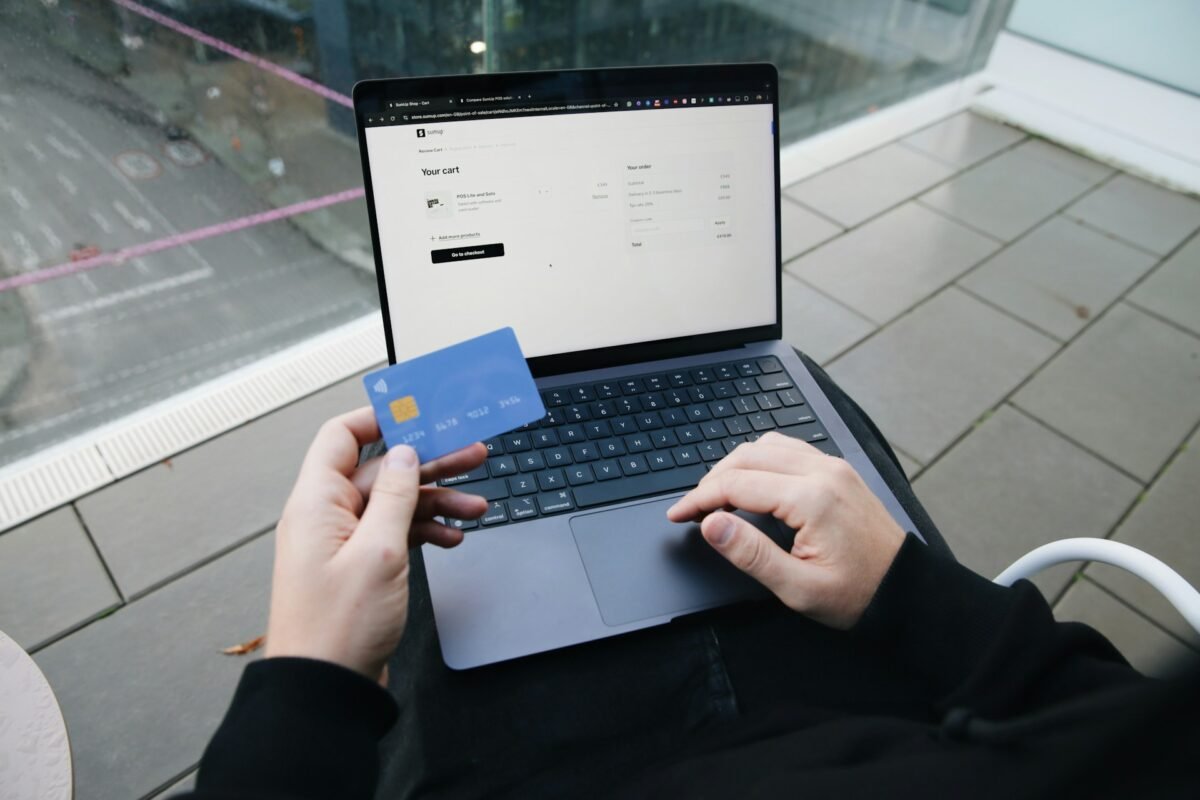

Attracting people to your online store is an achievement in itself, but turning those visits into actual sales is a much bigger test.
Many shoppers browse casually, return to the same product page several times, and then leave without buying anything. It’s a cycle that frustrates many business owners, especially when they’ve invested heavily in marketing to get those visitors in the first place.
The factors that drive the eventual decision to purchase are rarely spontaneous. Online shoppers look for more than just a product they like. They also want a clear and convenient experience that makes them confident they’re making the right choice. Thus, transparency, security, and smooth navigation are as important as the product itself. For e-commerce businesses, meeting these expectations is not just about securing a single sale but also about laying the groundwork for repeat purchases.

With this in mind, the following discussion highlights practical ways you can convert browsers into buyers and reduce the number of missed opportunities in your online store.
- Simplify Checkout to Minimize Cart Abandonment
Few things derail a purchase faster than a checkout process that feels like an obstacle course. When customers are forced to create an account, fill out unclear form fields, or decipher unclear payment instructions, they’ll often give up.
Streamlining this stage is one of the most effective ways to reduce cart abandonment. Features like guest checkout, autofill, and progress indicators can significantly lower friction. Multiple secure payment options, including digital wallets and credit cards, also accommodate different shopper preferences. If you’re on a popular e-commerce platform like Shopify, Maya Checkout is one Shopify payment gateway Philippines businesses trust to simultaneously speed up and secure the checkout process. The easier it is to complete a purchase, the less likely your customer is to leave their cart at the final step.
- Improve Your Product Pages
Uncertainty is often the biggest barrier to clicking “buy.” Shoppers want to know exactly what they’re getting, and a well-crafted product page can give them that assurance. High-resolution images from different angles, short videos showing the product in use, and detailed descriptions all work together to build confidence. Additionally, information such as size guides and material specifications reduces the chances of unpleasant surprises after delivery.
Meanwhile, user-generated content such as reviews or customer photos can further reassure hesitant buyers that what they see online is true to life. The more clarity and context you provide, the easier it becomes for someone to move from browsing to purchasing.
- Build Trust with Transparency
When buyers can’t physically see or touch your products, trust becomes the deciding factor. Clear policies on shipping costs, delivery times, and returns help reduce their doubts about what will happen after checkout. Many online shoppers also find it reassuring to see security badges or trust seals.
Beyond these, showcasing authentic customer reviews or testimonials allows potential buyers to see how others have experienced your store. Each of these signals collectively demonstrates that your business is reliable and customer-centered. Without this kind of transparency, even the most appealing product may never make it into a cart.
- Use Scarcity and Urgency Signals Wisely
A hesitant shopper may end up acting sooner rather than later if they see that an item is “almost sold out” or that a discount ends in a few hours. These cues work because they address hesitation at the point of decision. However, the effect only lasts if the signals are genuine. Repeatedly presenting false urgency or fake stock alerts can easily backfire and erode trust in your brand. When used sparingly and honestly, limited-time offers and low-stock indicators can transform indecision into a completed order.
- Offer Personalized Recommendations
Shoppers who feel understood are more likely to stick around. Tailor product suggestions to browsing history, past purchases, or items already in the cart to guide customers toward choices that feel relevant to them. Whether it’s a “complete the look” suggestion on a clothing site or a reminder of previously viewed items, personalization helps you connect with the customer on an individual level. When done thoughtfully, this approach can boost the likelihood of a purchase and also increase average order value.
- Nurture with Retargeting
Shoppers who leave items in their cart don’t always do so because they’ve lost interest. Often, they’re just distracted or not ready to decide. Retargeting campaigns through reminder emails, push notifications, or display ads give these customers a gentle nudge to return. Consider sweetening the reminder with a small incentive, like a discount code or free shipping, for one final push. When your retargeting campaign respects the customer’s space, your brand will more likely be top of mind until they’re ready to commit.
- Sweeten the Deal
Even a small incentive can tip the scales when the market is as competitive as e-commerce. Free shipping thresholds, welcome discounts for first-time buyers, or bundled offers make the purchase feel like a smarter decision. Beyond discounts, exclusive access to new collections or loyalty points can also serve as effective motivators. In addition to encouraging conversion, these benefits set the stage for repeat business by leaving customers with a sense of added value from their purchase.
From Potential Customers to Loyal Patrons
Converting casual browsers into paying customers rarely depends on one big change. More often, it’s the result of small, thoughtful improvements that reduce hesitation and build trust. Focus on the finer details of the shopping experience, and you can easily bridge the gap between curiosity and commitment, as well as set the stage for lasting customer relationships.